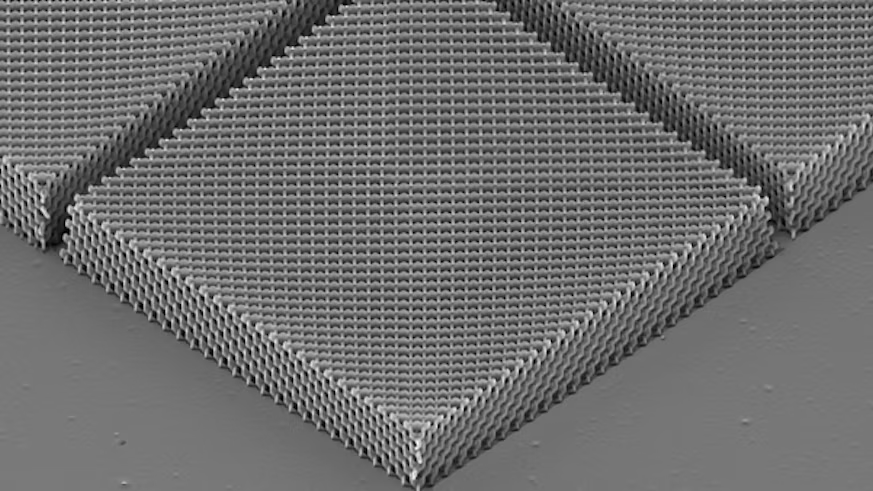
A state-of-the-art hub will develop new forms of materials, designed at microscopic scale, for use in everything from computer hardware to food colouring.
Led by the University of Exeter in collaboration with a team of scientists from Cardiff University, King’s College London, Cambridge University, St Andrews University and Southampton University, the MetaHub is being supported by a £10.5 million investment from the Engineering and Physical Sciences Research Council (EPSRC).
An additional £9.1 million comes from the higher education institutions and private investment, demonstrating the value of cutting-edge research as a driver of investment across the UK.
The MetaHub is focused on 3D nanoscale ‘metamaterials’ - materials designed at tiny scales to produce new and useful properties not found in natural resources.
Over the past 5 years, Cardiff has pioneered methods to produce 3D nanostructured magnetic materials.
“These systems are produced by a special type of 3D printing on a tiny scale, yielding magnetic elements around 1,000 times smaller than the width of a human hair,” said Professor Sam Ladak from Cardiff University’s School of Physics and Astronomy and the Cardiff lead on the MetaHub project.
“By placing these tiny magnets in complex 3D arrangements, we can realise properties that are not possible with conventional materials that you would mine from the ground.”
Investing now in the UK’s metamaterials expertise paves the way for the products of the future to be invented in Britain, with new jobs, businesses and even entire industries to potentially flow from them.
Speaking at the hub’s launch in the University of Exeter, Science Minister Lord Vallance said: “Our backing for the MetaHub is an investment, for both today and for tomorrow. We are securing the UK’s leadership in the high-potential field of metamaterials, a new class of materials specially engineered to have new and useful properties.
“This work is paving the way for future products and innovations that will deliver jobs and growth, in the years ahead.”
Professor Charlotte Deane, Executive Chair at EPSRC, added: “We’ve nurtured metamaterials research for many years and it’s fantastic to see it grow from a few individual research groups in the 1990s to a rapidly expanding and thriving research community today.
“By harnessing the control of light, energy and information, the MetaHub has the potential to benefit both civil and defence sectors. From more efficient, effective and secure computing and communication to advanced sensing and energy generation, this research will take curiosity-led research to tangible outcomes.”
Cardiff University
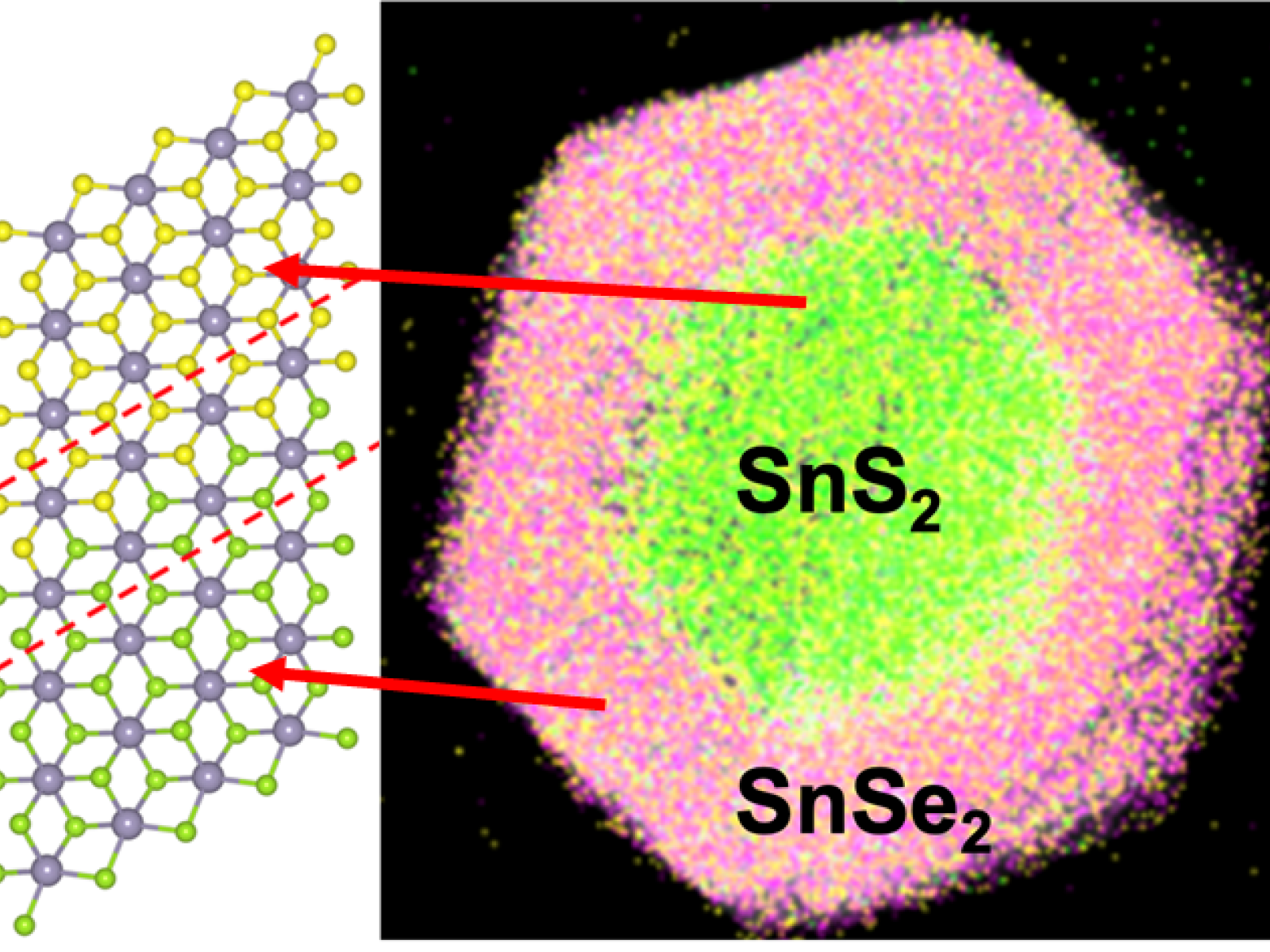
The newly developed method leverages a structure-directing agent to modify the crystal structure of the seed edges. It also redirects growth of the second phase from the formation of isolated particles to epitaxial growth at the seed edges. The modified synthesis is expected to be extendable to other layered materials, enabling the fabrication of a range of 2-D heterostructures for optoelectronic and electronic devices.

MIT researchers have developed a novel AI hardware accelerator that is specifically designed for wireless signal processing. Their optical processor performs machine-learning computations at the speed of light, classifying wireless signals in a matter of nanoseconds.

"By developing a new concept of CNT high-quality technology that has never existed before, we were able to maximize the electrical performance of CNT coils to drive electric motors without metal," said Dr. Dae-Yoon Kim of KIST. "Based on the innovation of CNT materials, we will take the lead in localizing materials such as conductive materials for batteries, pellicles for semiconductors, and cables for robots."
This week in nanotech
$18.9M raised
4 funding rounds · 38 deals tracked
New products
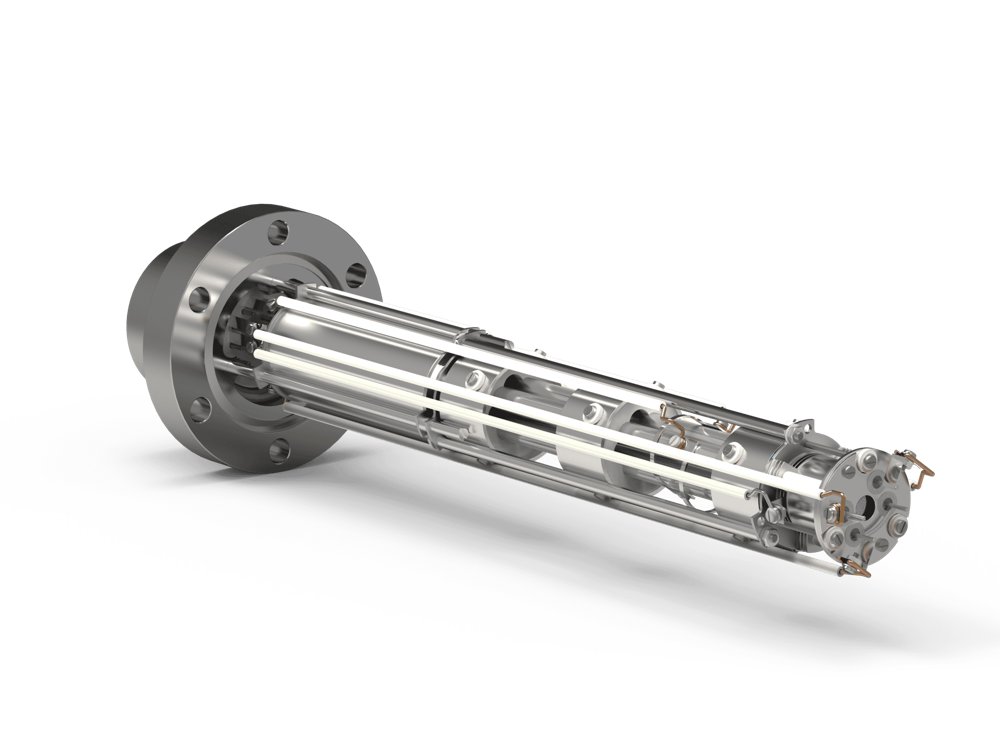 DLS-1 Mass Spectrometer for Fusion Gas AnalysisHiden Analytical Featured
 Orion Sputtering Deposition SystemsAJA International Featured
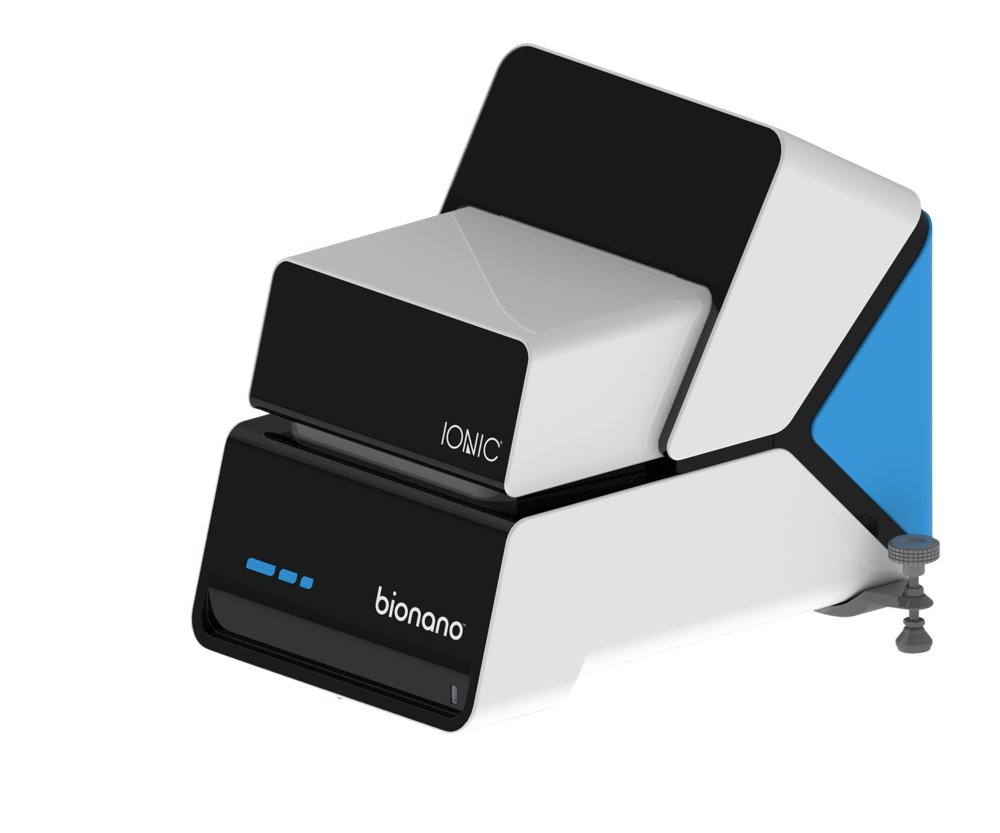 Ionic® Purification SystemBionano Genomics, Inc.
Market insights
Last 30 days: Semiconductors & Electronics drew the most money: $547.7M.
Money raised per month
Behind the deal
Who led Sandia National Laboratories’s $3.4M Grant?
See the investors with Insights Pro →