Haywards Heath & Hamburg, 3 November 2026. Universal Quantum has launched the iQPU, an integrated quantum processing unit that combines a trapped-ion compute surface, integrated control electronics and modular chip-to-chip interconnect interfaces. The company said the device is designed to make quantum computers practical to manufacture, scale and deploy cost effectively.
The processor has an active compute area of more than 400mm², which the company describes as the world's largest trapped-ion compute surface. It uses a Quantum Charge-Coupled Device (QCCD) architecture that moves ions across the chip, allowing flexible, long-range connections between qubits instead of fixing each qubit to a single location. Universal Quantum said this approach reduces the number of qubits required to solve commercial problems and speeds up computations.
The iQPU is fabricated on a commercial 200mm semiconductor foundry line using industry-standard design and manufacturing tools. Its UQConnect interfaces allow separate processors to exchange quantum information and operate as one larger computer, so additional iQPUs can be connected rather than redesigning the whole machine. The integrated control electronics reduce the external hardware needed to operate the chip and address what the company calls the wiring problem.
"The iQPU allows us to combine our world record interconnect technology with a chip architecture that can control qubits at scale and is manufactured in commercial silicon foundries," said Sebastian Weidt, CEO and Co-Founder of Universal Quantum.
The iQPU will be integrated into systems the company is currently building for customers, including the German Aerospace Center (DLR). The €67 million contracts cover two scalable quantum computers, which the DLR will use to explore applications including space mission planning, climate modelling and materials design. Universal Quantum recently raised a $100m Series A round from a global syndicate of sovereign, institutional, deep tech and quantum-specialist investors.
"We have brought the ion trap, control electronics and modular connections together in one chip, so the same engineered unit can be manufactured, tested and connected repeatedly to scale to much more powerful quantum computers," said Mike Newman, VP of Engineering at Universal Quantum.
Source: Universal Quantum news
Quantinuum reported third quarter 2026 financial results and raised its 2026 revenue outlook after landing its largest cloud agreement. The company also unveiled a roadmap for its Nexus developer platform.
IonQ reported record third quarter revenue of $173.8 million, up 336 percent year over year, and raised full year 2026 guidance to $505 to $515 million on 110 percent quantum computing growth. Backlog more than doubled to $1.2 billion, with demand led by Superion 256 system deployments, including NVIDIA's first on-premise quantum computer. The company also advanced to Stage C of DARPA's Quantum Benchmarking Initiative and acquired Elisity to extend quantum security.

A new Physical Review A paper, honored with an Editors' Suggestion, examines how imposed randomness and environmental noise interact in quantum systems. Using combinatorics rather than complex analysis, Matthew Duschenes and advisors including the late Ray Laflamme derived statistical fingerprints for noisy distributions in mixed states and validated them on brickwork quantum circuits.
This week in nanotech
$13.6M raised
3 funding rounds · 20 deals tracked
New products
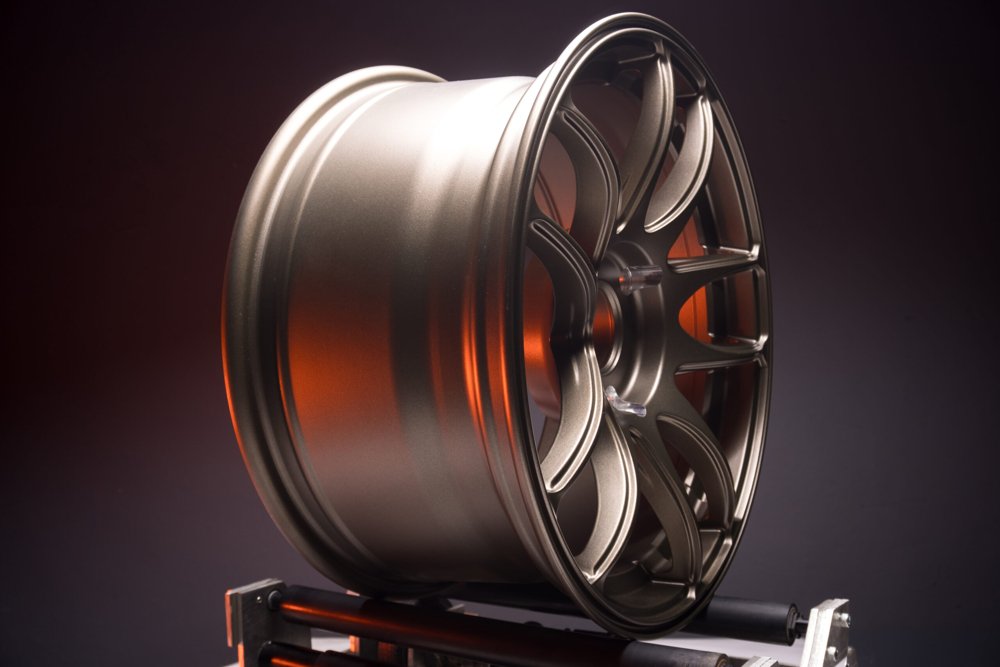 Ti-WCMBN Nanomaterialia Featured
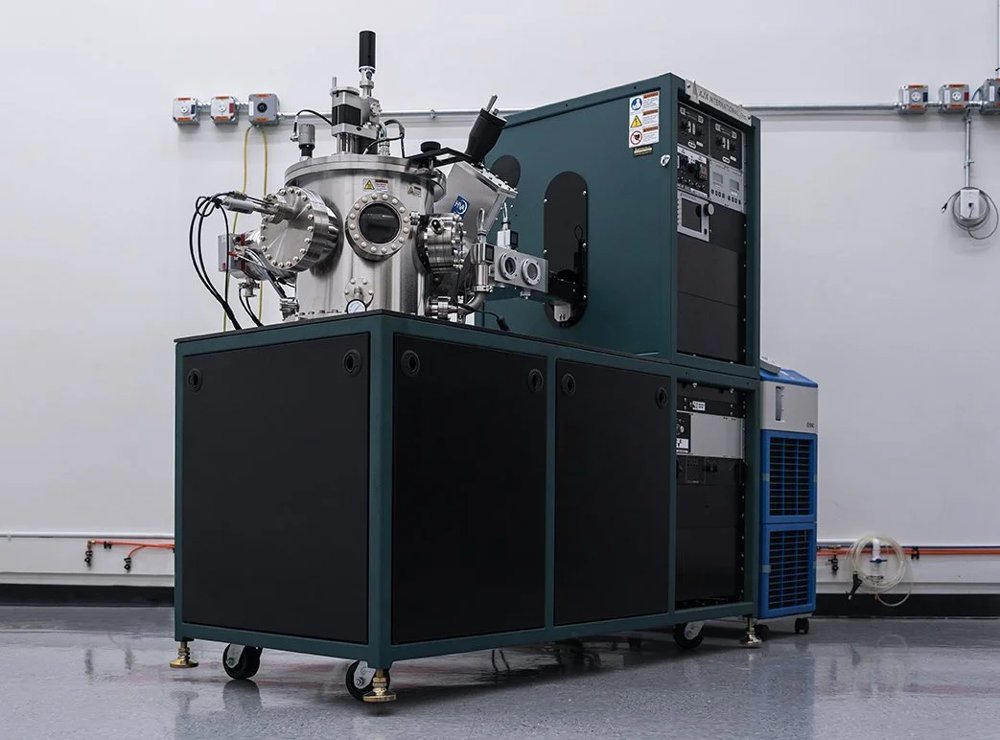 Orion Sputtering Deposition SystemsAJA International Featured
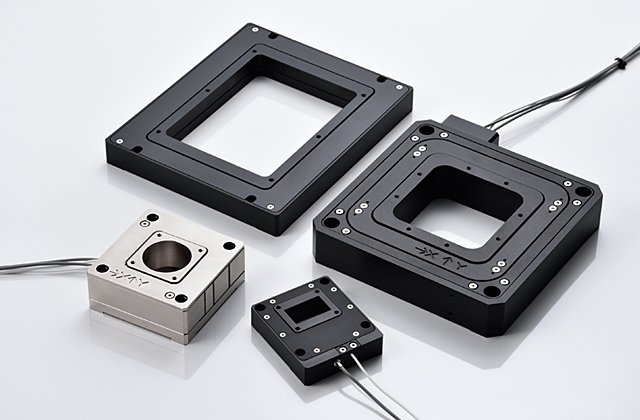 PKVH / PKVL ZAxis With an opening modelTHK PRECISION CO.,LTD.
Market insights
Last 30 days: Quantum Technologies was the busiest vertical: 61 of 192 events (32%).
Money raised per month