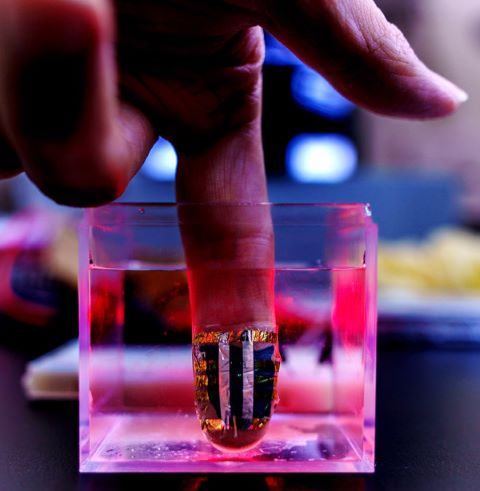
RIKEN physicists have developed an ultrathin, organic light detector that, when attached to an individual’s finger, can record the optical signature of their pulse even when submerged in water. It shows promise for wearable and implantable applications in biophotonics such as monitoring of vital signs for health purposes.
Researchers hope that thin, flexible, organic optical electronic devices will one day lead to the realization of comfortable and imperceptible health-monitoring devices that can be directly worn on the skin.
“Optical monitoring in healthcare is gaining prominence owing to its versatility and minimal invasiveness,” says Baocai Du of the RIKEN Center for Emergent Matter Science (CEMS). “In particular, light detectors are playing a crucial role.”
However, to be practical such thin and flexible devices need to be both mechanically robust and water resistant, which is an ongoing challenge.
Now, a team led by Kenjiro Fukuda, also of CEMS, has developed a light detector that satisfies those two criteria.
“Our organic light detector has an excellent stability and is resistant to water immersion and mechanical stress,” says Du. “It can provide reliable vital signs under challenging conditions such as body motion and water immersion.”
The detector was able to detect visible and near-infrared light with a high optical responsivity. Even after being immersed in water for five hours, the detector showed a stable response to light, with the responsivity dropping by just 6%—far less than a control device, which was degraded by 25%.
The secret to realizing water resistance was including an elastomer called SEBS in the photoactive layer, which converts light into electrons and lies at the heart of the device. This addition rendered the active layer water resistant. The adhesive SEBS also realized excellent adhesion between the layers, which makes it harder for water to seep in.
In addition to being water resistant, the device is easy to wear. “Our organic light detector is ultrathin, just 3.2 micrometers thick,” says Du. “It is also highly flexible, so that it can conform closely to the body and is comfortable to use.”
It was the device’s thinness that made it hard to make the device water resistant. “Making the device simultaneously ultrathin and water resistant was the biggest challenge,” says Du. “Firstly, organic semiconductors are intrinsically sensitive to water. Furthermore, the ultrathin substrate and encapsulation layers cannot protect the device enough, so water can easily penetrate inside the device and cause device failure.”
Given the success of the detector design, the team is now considering making other ultrathin, organic electronic and photonic devices that are also water resistant.
Reference
A water-resistant, ultrathin, conformable organic photodetector for vital sign monitoring
Baocai Du, Sixing Xiong, Lulu Sun, Yusaku Tagawa, Daishi Inoue, Daisuke Hashizume, Wenqing Wang, Ruiqi Guo, Tomoyuki Yokota, Shuxu Wang, Yasuhiro Ishida, Sunghoon Lee, Kenjiro Fukuda, Takao Someya
ONI recorded 177 scientific publications using its technology in 2026 to date, surpassing its previous annual high. Publications rose 72% in 2025, from 82 to 141.
Nicoya Lifesciences reported that BALANCE project partners demonstrated autonomous bioreactor control and integrated its Alto Digital SPR platform for automated antibody titer measurement from crude bioreactor samples.
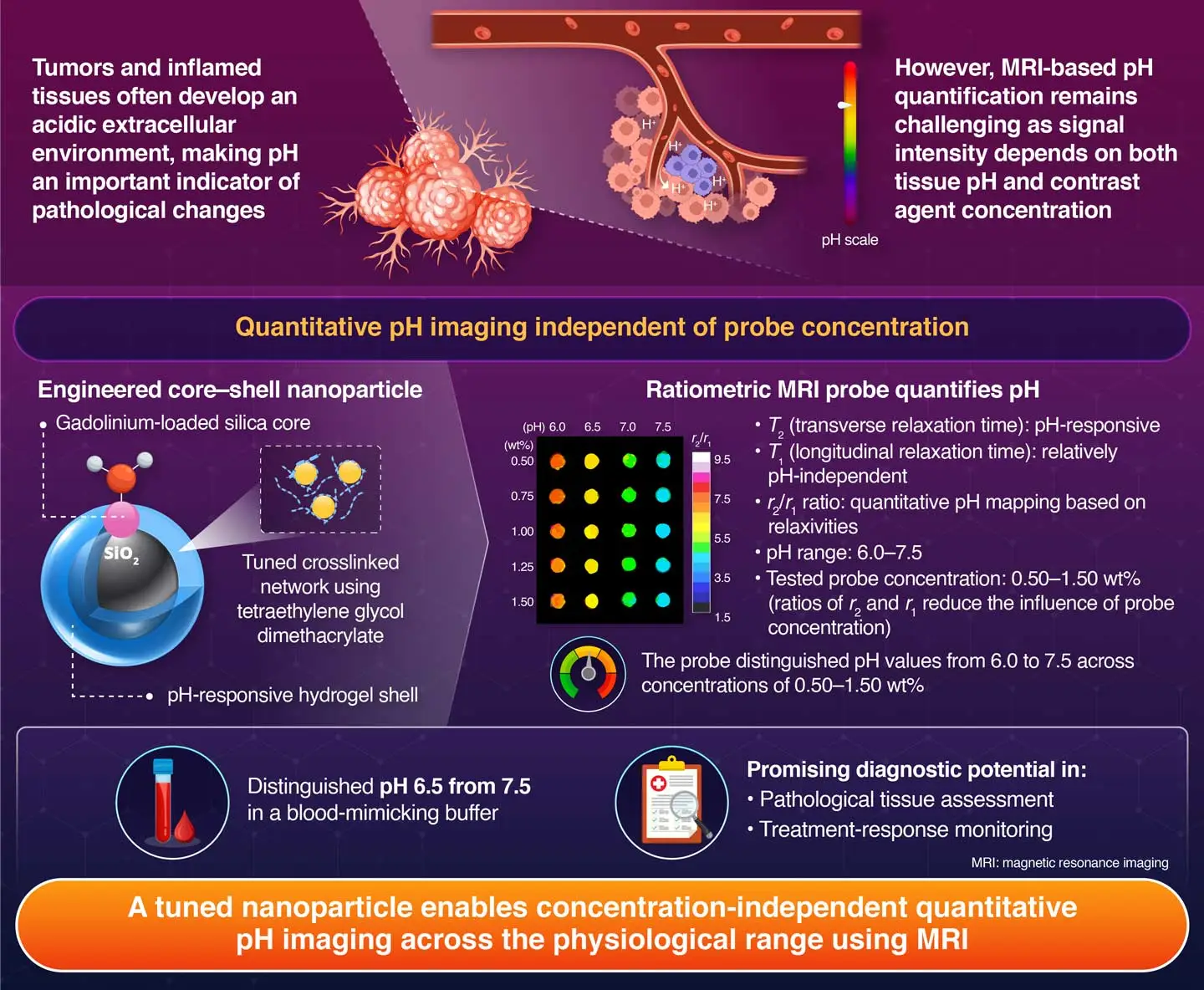
Researchers have built a core-shell nanoparticle MRI contrast agent that reports tissue pH independently of probe concentration. A gadolinium-loaded silica core sits inside a crosslinked polymer hydrogel shell tuned with tetraethylene glycol dimethacrylate; as acidity rises the shell shrinks, shifting transverse relaxivity while longitudinal relaxivity holds steady. Ratiometric imaging of the r2/r1 ratio resolved pH 6.0 to 7.5 across agent concentrations and in serum.
This week in nanotech
32 deals tracked
New products
 Nion-compatible In Situ STEM Holders for Electrical BiasingHummingbird Scientific Featured
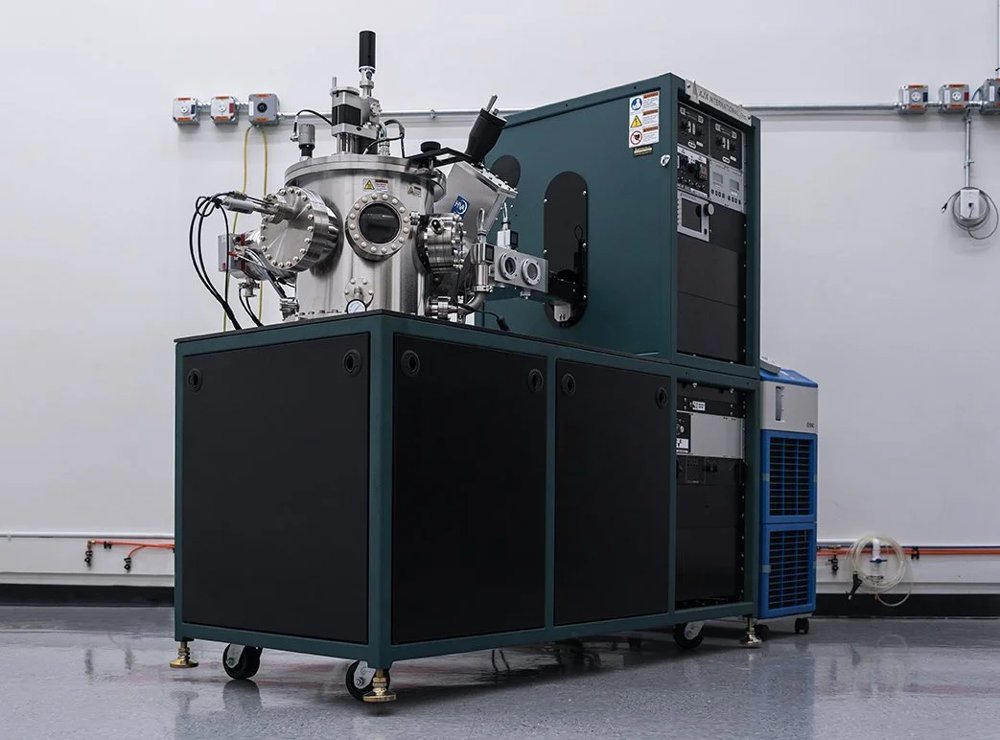 Orion Sputtering Deposition SystemsAJA International Featured
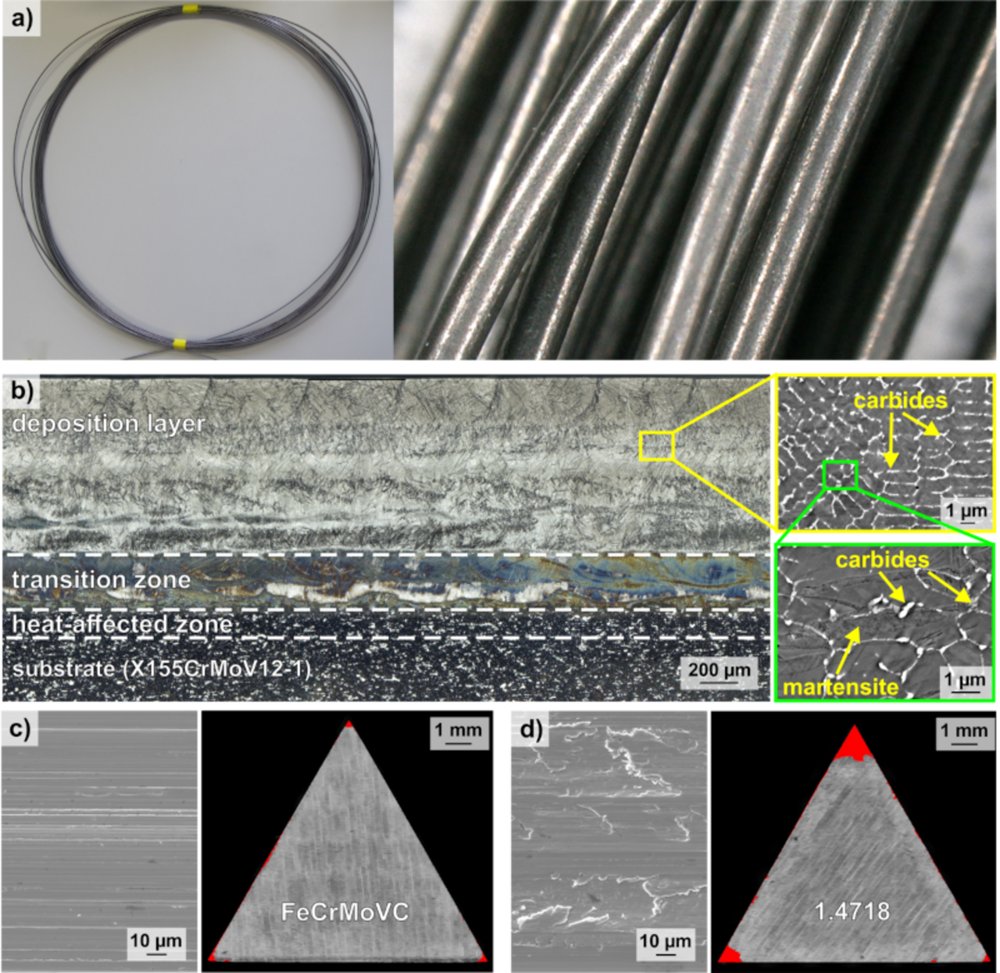 Fe85Cr4Mo8V2C1 wire filler materialLeibniz Institute for Solid State and Materials Research Dresden - IFW Dresden
Market insights
Last 30 days: Semiconductors & Electronics was the busiest vertical: 58 of 185 events (31%).
Money raised per month