Max Planck Institute for the Structure and Dynamics of Matter (MPSD)
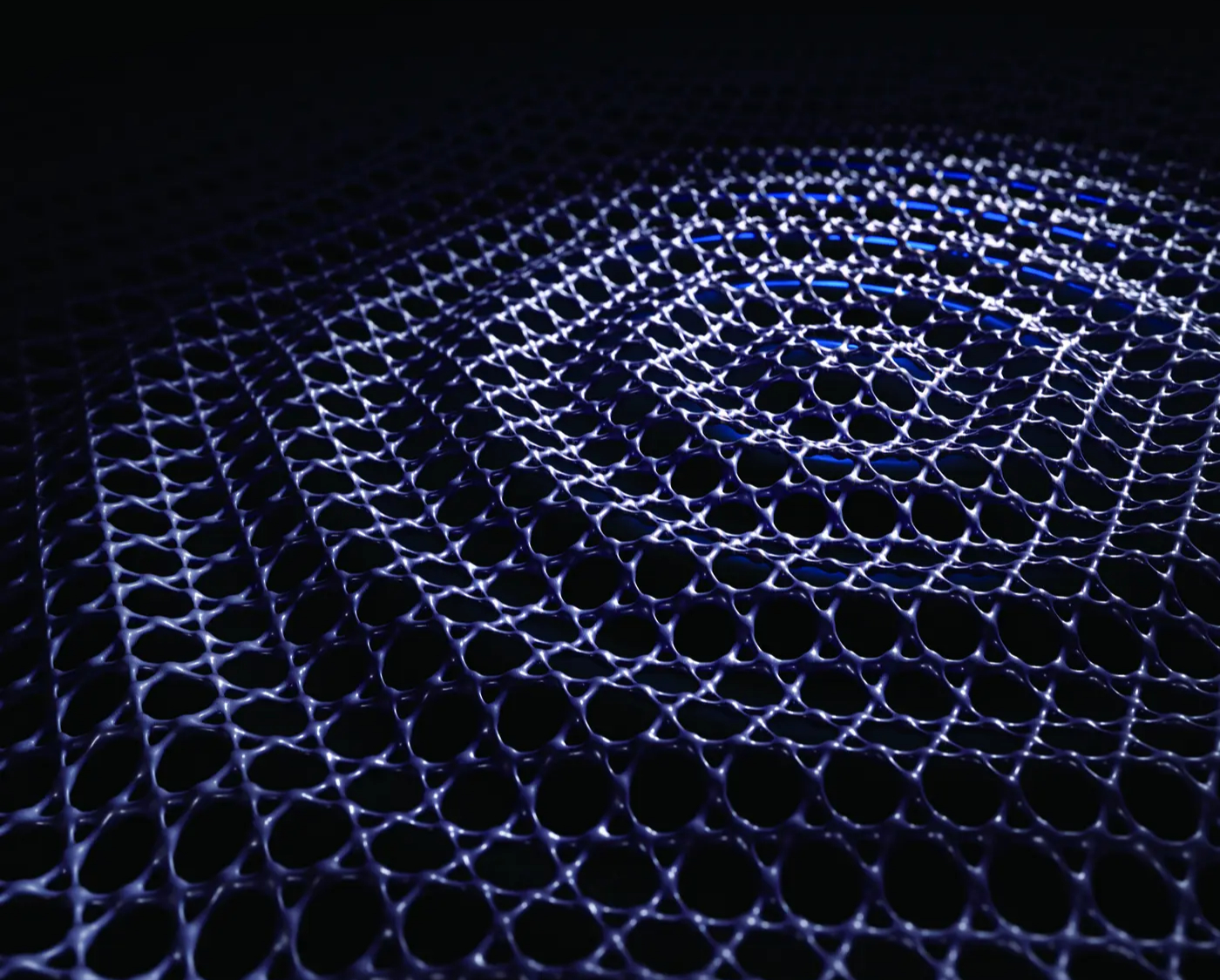
Physicists at the Max Planck Institute for the Structure and Dynamics of Matter (MPSD) in Hamburg have discovered a striking new form of quantum behavior. In star-shaped Kagome crystals—named after a traditional Japanese bamboo-basket woven pattern—electrons that usually act like a noisy crowd suddenly synchronize, forming a collective “song” that evolves with the crystal’s shape. The study, published in Nature, reveals that geometry itself can tune quantum coherence, opening new possibilities to develop materials where form defines function.
Coherence Without Superconductivity
Quantum coherence—the ability of particles to move in synchrony like overlapping waves—is usually limited to exotic states such as superconductivity, where electrons pair up and flow coherently. In ordinary metals, collisions quickly destroy such coherence. But in the Kagome metal CsV₃Sb₅, after sculpting tiny crystalline pillars just a few micrometers across and applying magnetic fields, the MPSD team observed Aharonov–Bohm-like oscillations in electrical resistance. Thus showing that electrons were interfering collectively, remaining coherent far beyond what single-particle physics would allow. “This is not what non-interacting electrons should be able to do,” says Chunyu Guo, the study’s lead author. “It points to a coherent many-body state.”
A Shape-Sensitive Quantum State
Even more surprisingly, the oscillations depended on the crystal's geometry. Rectangular samples switched patterns at right angles, while parallelograms did so at 60° and 120°—exactly matching their geometry. “It’s as if the electrons know whether they’re in a rectangle or a parallelogram,” explains Philip Moll, the responsible MPSD Director. “They’re singing in harmony—and the song changes with the room they’re in.”
The discovery suggests a new way to control quantum states: by sculpting the geometry of a material. If coherence can be shaped rather than merely observed, researchers could design materials that behave like tuned instruments—where structure, not just chemistry, defines their resonance. “Kagome metals are giving us a glimpse of coherence that is both robust and shape-sensitive,” says Moll. “It’s a new design principle we didn’t expect.”
A broader resonance
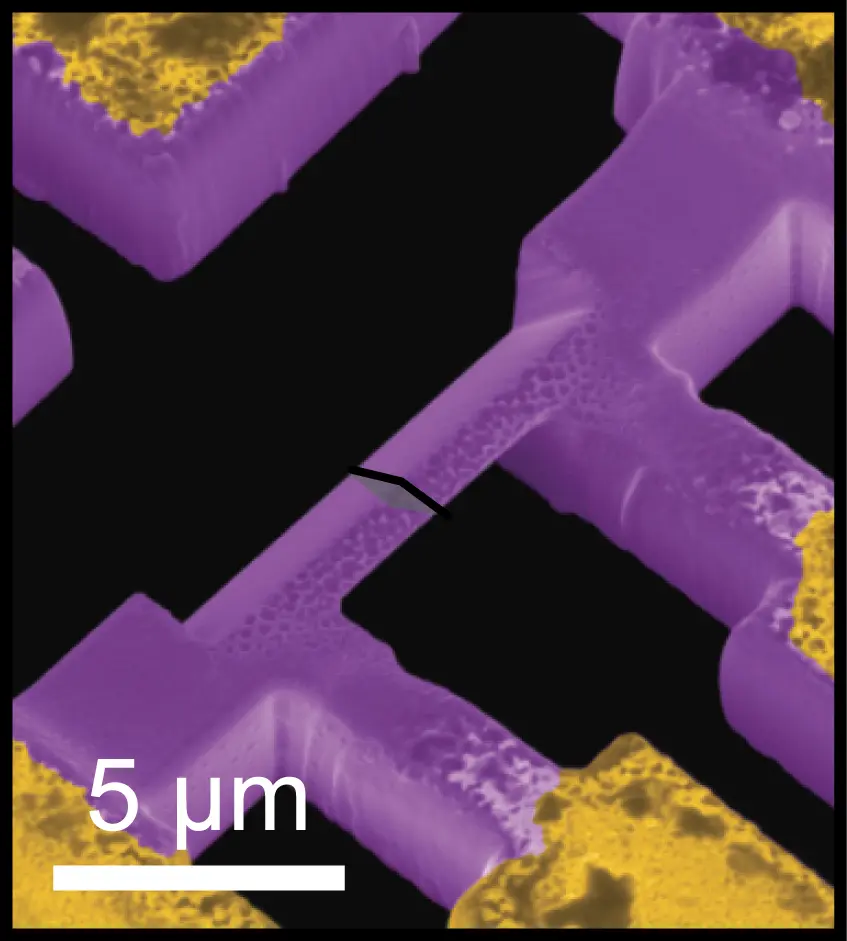
The Kagome lattice has long intrigued scientists due to its intricate design of interwoven triangles and hexagons, which often geometrically frustrate electrons and give rise to exotic phases of matter. The recent findings by the Hamburg team extends this effects from the atomic level to the scale of devices, demonstrating that geometry influences the collective quantum behavior of electrons. Much like a choir resonates differently in a cathedral than in a concert hall, electrons in these star-shaped crystals seem to produce a new sound—one influenced not just by the arrangement of atoms but also by their shape. Currently, this phenomenon is limited to laboratory settings, where focused ion beams shape crystals into micrometer-sized pillars. However, the implications of this research are far-reaching. “Once coherence can be shaped rather than merely discovered, the frontier of quantum materials could shift from chemistry to architecture,” says Guo.”It opens a new avenue of designing quantum functionality for future electronics by reshaping material geometry.”
Reference
Many-body interference in kagome crystals
Chunyu Guo (Mark), Kaize Wang, Ling Zhang, Carsten Putzke, Dong Chen, Maarten R. van Delft, Steffen Wiedmann, Fedor F. Balakirev, Ross D. McDonald, Martin Gutierrez-Amigo, Manex Alkorta, Ion Errea, Maia G. Vergniory, Takashi Oka, Roderich Moessner, Mark H. Fischer, Titus Neupert, Claudia Felser & Philip J. W. Moll
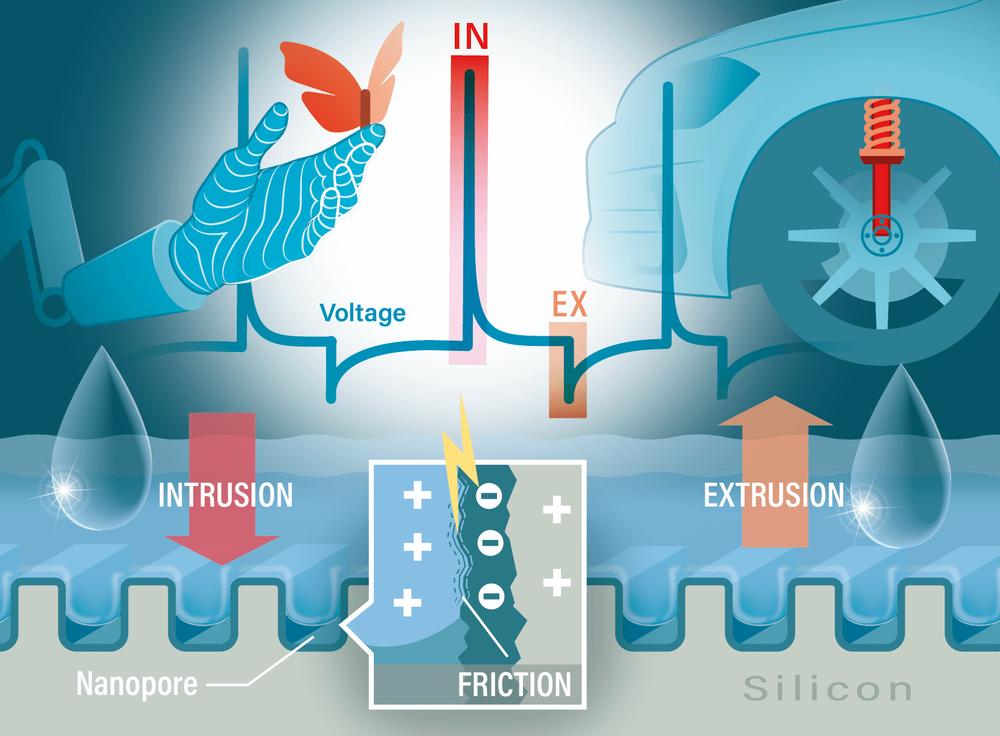
A European research team involving scientists from DESY and Hamburg University of Technology (TUHH) has developed a novel way for converting mechanical energy into electricity – by using water confined in nanometre-sized pores of silicon as the active working fluid. In a study published in Nano Energy (Elsevier), the scientists demonstrate that the cyclic intrusion and extrusion of water in water-repellentnanoporous silicon monoliths can produce measurable electrical power.
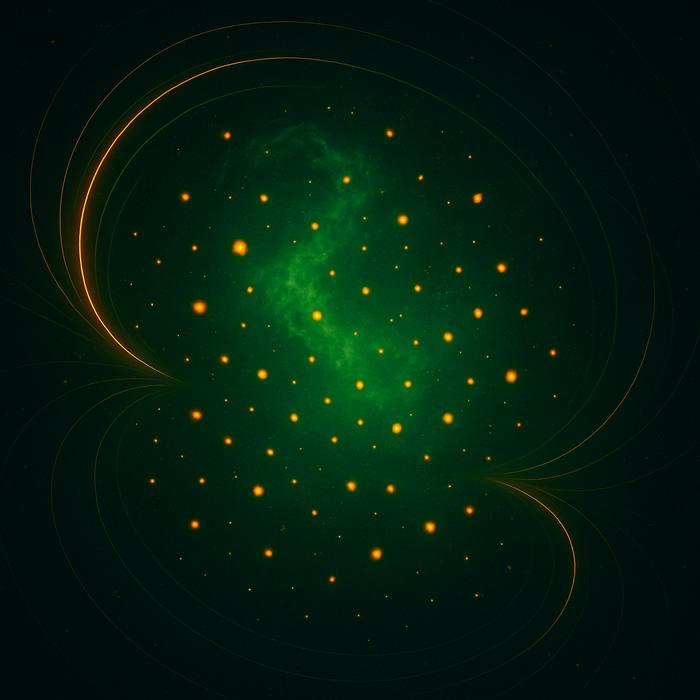
Imagine a cloud that shines like a neon sign, but instead of raindrops it contains countless microscopic dust grains floating in midair. This is a dusty plasma, a bizarre state of matter found both in deep space and in the laboratory. In a new study, published this week in Physical Review E, Auburn University physicists report that even weak magnetic fields can reshape how these dusty plasmas behave—slowing down or speeding up the growth of nanoparticles suspended inside. Their experiments sh...
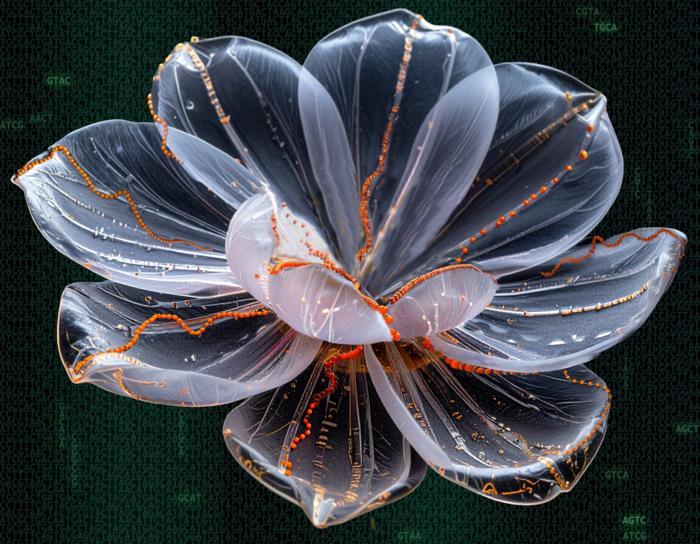
Researchers at the University of North Carolina have created microscopic soft robots shaped like flowers that can change shape and behavior in response to their surroundings, just like living organisms do. These tiny “DNA flowers” are made from special crystals formed by combining DNA and inorganic materials. They can reversibly fold and unfold in seconds, making them among the most dynamic materials ever developed on such a small scale. Each flower’s DNA acts like a tiny computer program, te...
This week in nanotech
$18.9M raised
4 funding rounds · 36 deals tracked
New products
 Nion-compatible In Situ STEM Holders for Electrical BiasingHummingbird Scientific Featured
 Orion Sputtering Deposition SystemsAJA International Featured
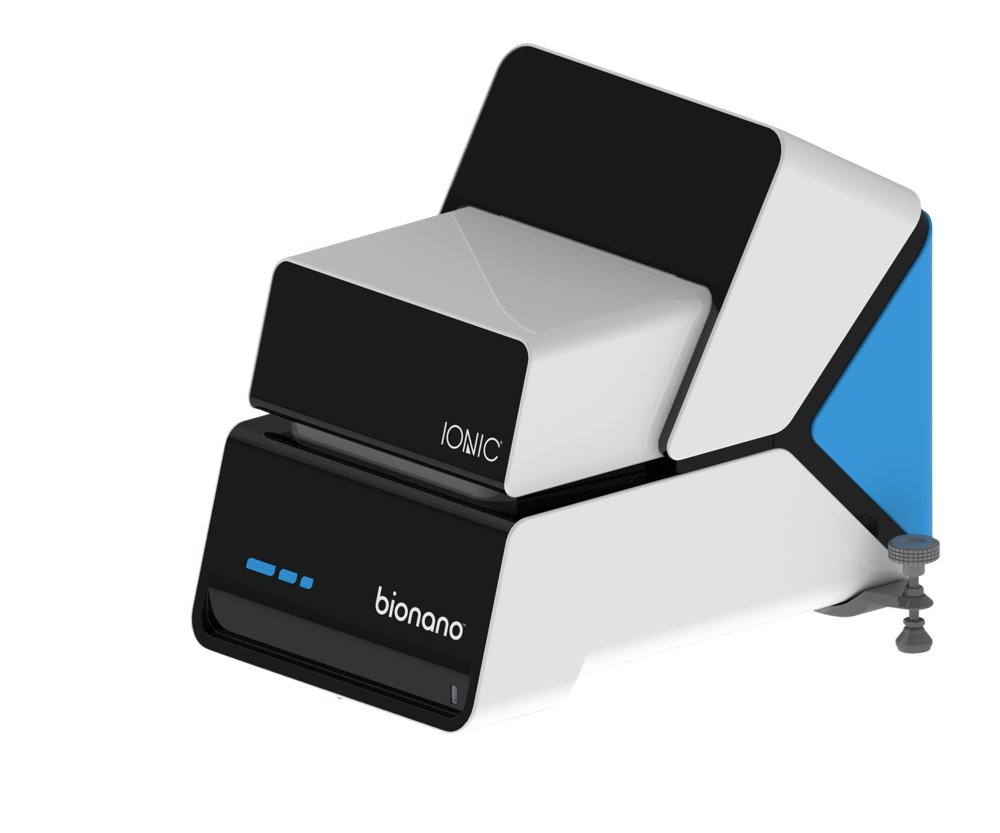 Ionic® Purification SystemBionano Genomics, Inc.
Market insights
Last 30 days: Semiconductors & Electronics was the busiest vertical: 52 of 170 events (31%).
Money raised per month