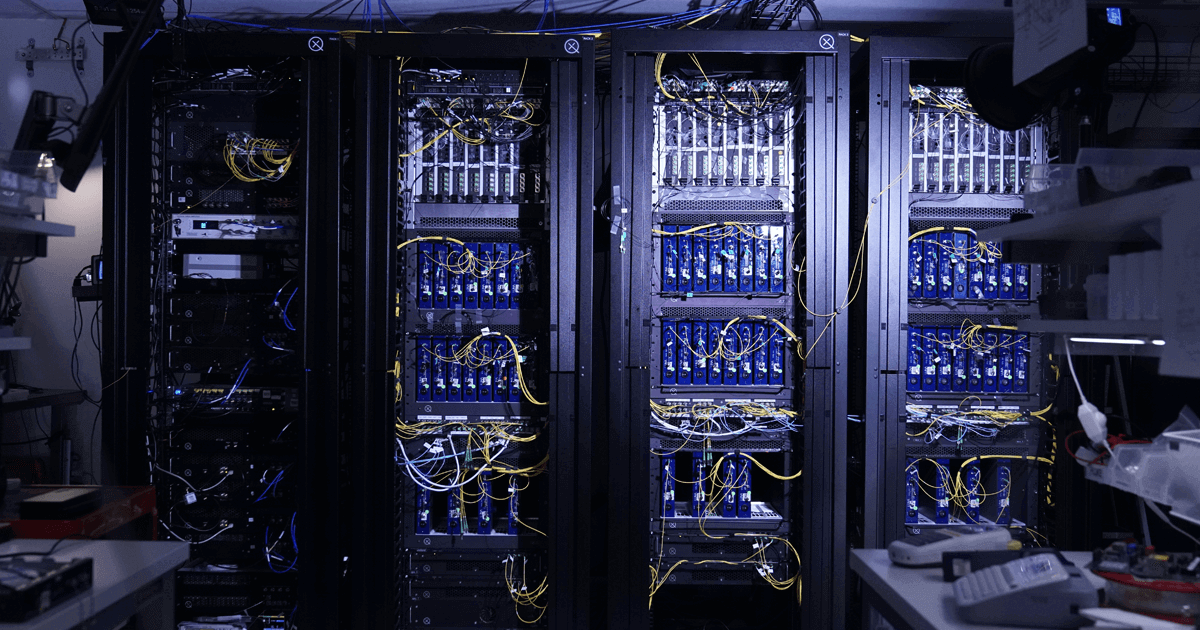
Xanadu Quantum Technologies Limited, in collaboration with HyperLight Corporation, has reduced optical switch insertion loss to 7 millidecibels (mdB) using thin-film lithium niobate (TFLN) technology. The result is a nearly threefold improvement over the companies' previous benchmark of 20 mdB, set in 2025.
The demonstration used a high-volume wafer manufacturing line on HyperLight's TFLN Chiplet platform. According to the companies, the process showed good yield and repeatability. Optical switches route the photons that carry quantum information, and lower insertion loss helps preserve quantum state fidelity in photonic networks.
"This notable switch insertion loss milestone indicates that Xanadu's quantum-compatible switches are ready to ramp to production, bringing scalable quantum hardware and utility-scale quantum computing (USQC) one step closer to reality," said Dr. Christian Weedbrook, Founder and Chief Executive Officer of Xanadu. He added that the company believes the result could also offer value across the broader data center ecosystem.
Mian Zhang, CEO of HyperLight, said the same TFLN Chiplet platform is used in high-volume AI data centers and telecom networks.
Xanadu develops fault-tolerant quantum computers using light, with systems designed to compute at room temperature, and develops the open-source PennyLane quantum computing platform. The company states that its switches are ready to ramp to production and that it aims to bring USQC closer to reality. Xanadu trades on NASDAQ and TSX under the symbol XNDU.
Source: Xanadu news
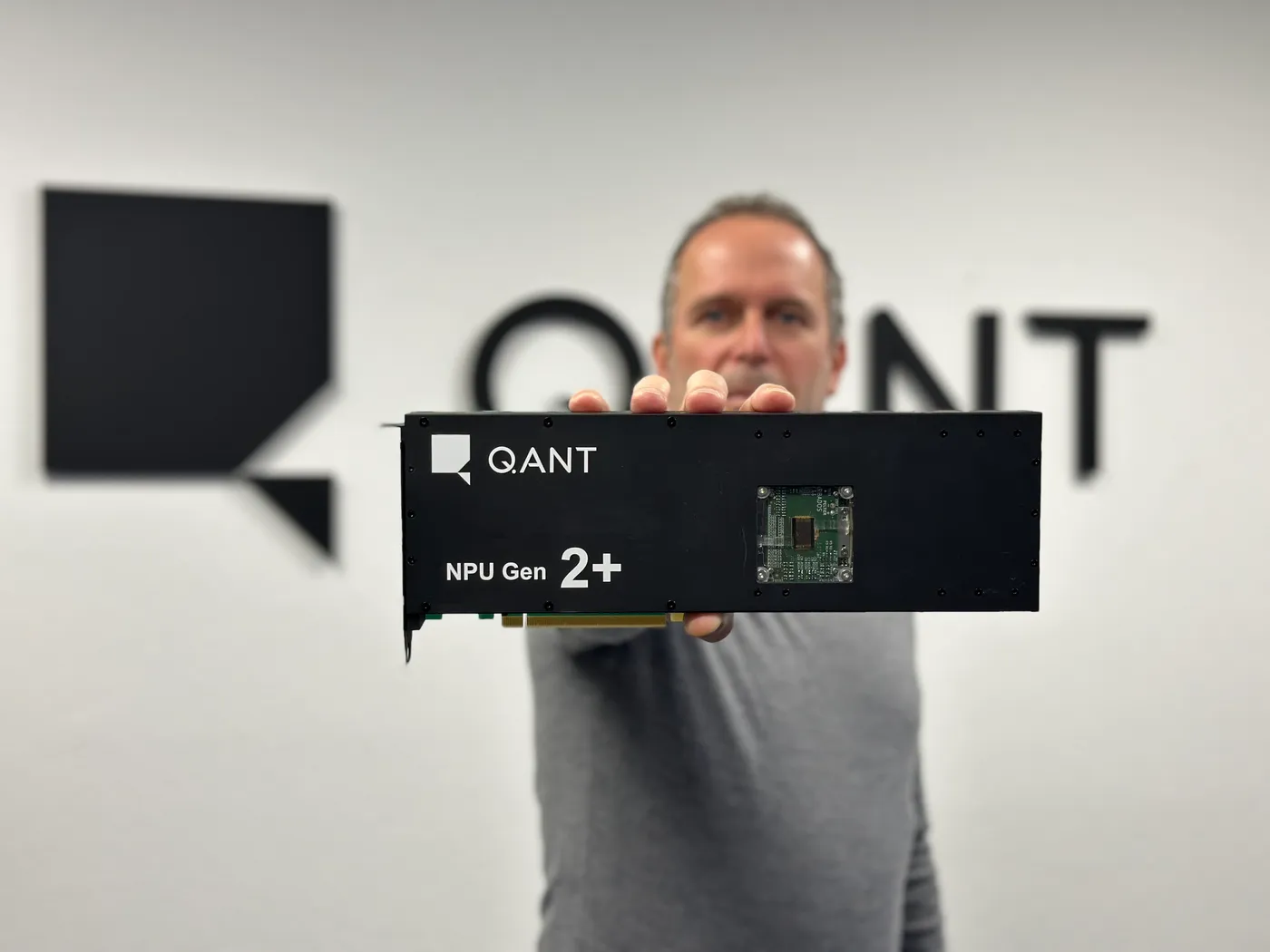
Q.ANT unveiled the NPU Gen 2+ at SC26, adding optical Discrete Fourier Transforms to its photonic processor. The company demonstrated a hybrid system with an AMD GPU running a large language model.
Quandela signed a strategic partnership with Mekdam Holding Group Q.P.S.C. and MEEZA QSTP-LLC at MWC26 Doha to deploy photonic quantum computing solutions across the Gulf region.

Researchers at Paderborn University have combined superconducting nanowire single-photon detectors with time multiplexing to create 1,024 detection bins, enabling precise photon counting from 0 to over 9,000 photons. Using a detector model developed with PTB, they measured pulses of up to 276 photons with uncertainty below one photon, a precision that would otherwise require roughly 37,000 detector elements.
This week in nanotech
$129.9M raised
6 funding rounds · 39 deals tracked
New products
 Ti-WCMBN Nanomaterialia Featured
 Nion-compatible In Situ STEM Holders for Electrical BiasingHummingbird Scientific Featured
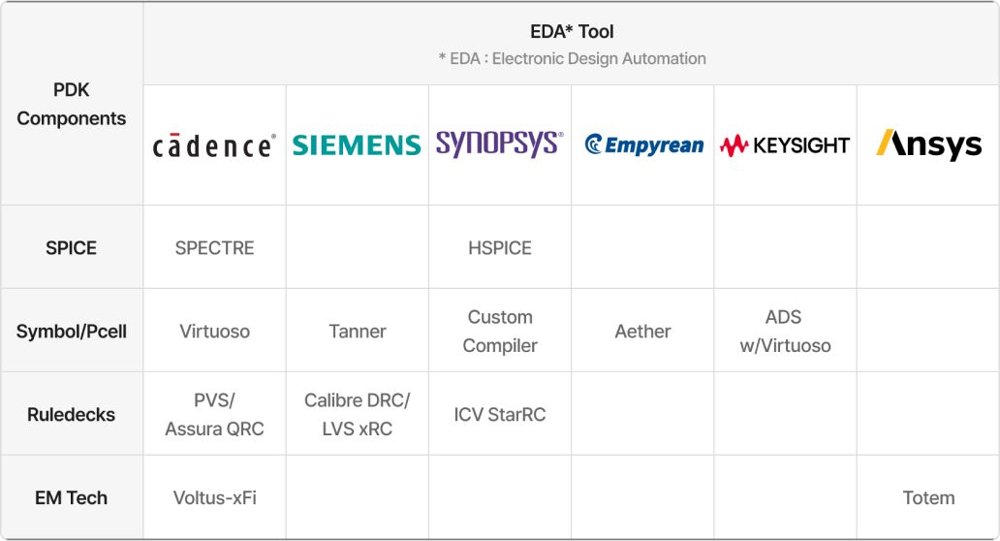 PDK (Process Design Kit)DB HiTek
Market insights
Last 30 days: Semiconductors & Electronics drew the most money: $547.7M.
Money raised per month