By Aphios Corp.
For oral delivery of insulin APH-0907 is a nanoencapsulation of insulin in biodegradable polymer nanospheres [US Patent]. Nanoencapsulation is being used to protect the protein macromolecules/nanoparticles during the stomach passage; the residence time in the stomach will be short compared to the protein release rate from the polymer nanospheres. Animal data demonstrates that nanoencapsulated insulin was protected in the stomach and then transported to the blood. When protein nanoparticles reach the gut, they are transported across the lining, which may be mediated by M cells in the lymphatic tissue of the gut. Alternatively, the protein can be mobilized from nanospheres and rapidly transported to the systemic circulation by the epithelial cells. Both the polymer "shell" and the protein macromolecules/nanoparticles are intended to enable and regulate this stage of drug transport. With the optimal combination of the biodegradable polymer nanospheres, shell properties, and protein characteristics, we anticipate a significant improvement in the oral bioavailability of protein therapeutics. We believe that our oral delivery nanotechnology will be applicable to large as well small protein molecules since we have demonstrated that our protein nanoparticles technology is independent of size and molecular weight (MW). Proprietary Nanoencapsulation Process APH-0907 is manufactured by Aphios' proprietary and patented PNS process. In PNS, a biodegradable biopolymer is dissolved in SuperFluids™, mixed with the target in solution or as a slurry of nanoparticles at operating pressures, and the mixture is decompressed into an aqueous solution, liquid nitrogen or an empty vessel (spray dryer); as a result of decompression, polymer nanospheres are formed, encapsulating the therapeutic target. In Vitro Characteristics of PNS In vitro release characteristics of insulin from polymer nanospheres were evaluated by re-suspending lyophilized nanospheres in phosphate-buffered saline at a pH of 7.4. Absorption of the solution was then measured at 280 nm at different time intervals. Release characteristics of insulin from these polymer nanospheres are shown over a 5-½ hour period. In Vivo Characteristics of PNS - Three groups of four chronic diabetic BB/Wor male rats were used to evaluate the efficacy of polymer nanoencapsulated insulin. One group was given 2 mL of the test formulation using standard gavage method. A second group received oral non-encapsulated insulin, administered by gavage at the concentration based on the animals' day of diabetes onset. A third group received injected insulin (PZI, Eli Lilly) therapy at the dose consistent with their day of onset of diabetes. The animals were bled prior to treatment and at 0.5, 1, 2, 4, 8, and 16 hours after treatment. - This in vivo oral gavage study of nanoencapsulated insulin conducted in diabetic mice showed a significant decrease in glucose levels after oral administration, causing statistically significant decreases in glucose levels at 1 and 2 hours post-administration. Injected insulin also resulted in statistically significant decreased glucose levels; while injectable insulin, given orally, did not cause statistical decreases in glucose levels. Partnering Opportunities We are seeking a strategic corporate partner to continue the development of APH-0907 as an oral insulin product for diabetics.
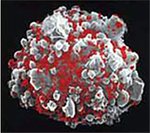
Consisting of an HIV strain, inactivated by three orthogonal methods: a genetic method to attenuate the virus, a physical method called CFI and a chemical method called AT-2 Our therapeutic HIV/AIDS vaccine consists of an inactivated a strain of HIV, inactivated by three orthogonal methods: a genetic method to attenuate the virus, a physical method called CFI and a chemical method called AT-2. These methods inactivate HIV without causing major structural and physical damage to the virion, including gp120. Such a vaccine preparation should induce both humoral and cellular immune responses. We expect the inactivated attenuated virion to behave similarly to live HIV, with the exception of integration and replication. Thus, the inactivated attenuated virion will bind to and be taken up by dendritic cells and macrophages, which will then present antigens to CD4+ and CD8+ T cells for the generation of T cell help and cytotoxic T cells. Previous experiments in chimpanzees showed that good humoral and cellular responses could be induced with an inactivated, whole HIV immunogen. A more recent study showed induction of humoral and cellular responses with virus-like particles. Finally, both humoral and cellular responses were generated after immunization with AT-2 inactivated SIV. Partnering Opportunity We are seeking global partnerships for developing an HIV therapeutic vaccine that could lead to a functional cure for HIV/AIDS patients. Learn more
CATEGORY
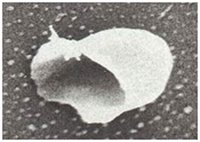
We will also provide research-scale units to biotechnology companies, universities and research institutions to complement and improve your research and development activities.
CATEGORY
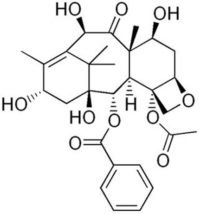
Taxanes from Yew Aphios produces natural paclitaxel from the needles of the American and Canadian yew (Taxus media, Taxus canadensis), along with cephalomannine and the paclitaxel intermediates 10-DAB and 9-DHAB. All are isolated with SuperFluids™ CXP technology at 98 to 99% purity. Generic Name: 10-deacetylbaccatin III (10-DAB) Catalog Number: APH-93083 Molecular Formula: C 29 H 36 O 10 Molecular Weight: 544.60 Source: Taxus media "hicksii" or Taxus canadensis
CATEGORY
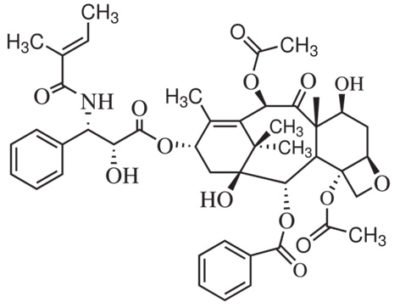
Taxanes from Yew Aphios produces natural paclitaxel from the needles of the American and Canadian yew (Taxus media, Taxus canadensis), along with cephalomannine and the paclitaxel intermediates 10-DAB and 9-DHAB. All are isolated with SuperFluids™ CXP technology at 98 to 99% purity. Generic Name: Cephalomannine Catalog Number: APH-93082 Molecular Formula: C 45 H 53 NO 14 Molecular Weight: 831.91 Source: Taxus media "hicksii" or Taxus canadensis
CATEGORY
