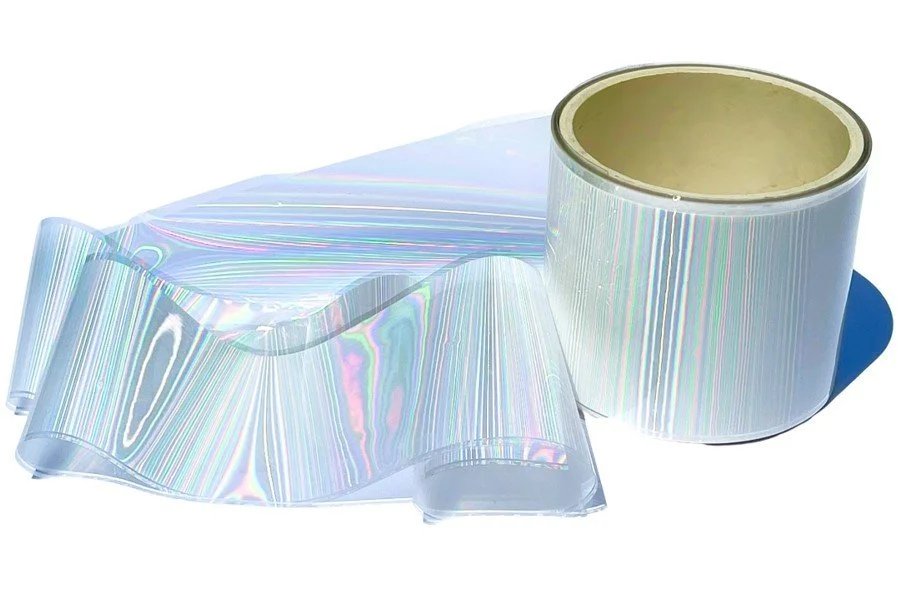
By Smart Material Solutions, Inc.
R2R-patterned Film with advanced optical and wetting properties over large areas
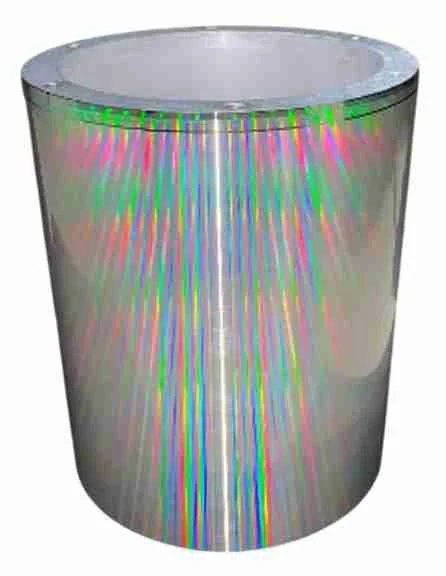
Nanocoining is a patented process to seamlessly nanopattern the outside of a cylindrical drum or sleeve more than 500 times faster than electron-beam lithography. These molds are ideal for R2R NIL; they can also be segmented to make flexible master molds for batch NIL processes. Our drum molds have been used to nanopattern thousands of feet of polymer film in R2R systems. Nanocoining’s competitive advantage lies in its unique ability to nanopattern: - More than 500 times faster than electron-beam lithography. Nanocoining’s exceptionally high coverage rate, shown on the right, enables large-area nanopatterning that is infeasible with traditional lithography techniques due to their low speed and high cost. - Seamlessly around cylindrical R2R NIL molds. Many competing processes pattern flat shims that must be wrapped around a cylinder for R2R processing, resulting in a seam that is undesirable for many applications. - Without chemical processes like resist development and etching. - With control of the 3D feature shape. Traditional lithography produces binary features instead of 3D feature shapes. Nanopatterned Molds: Metal molds can be made in the form of a solid cylinder, seamless sleeve, foil shim, or supported flat in order to fit the customer’s imprinting tool. Presently cylinder length and diameter is limited to 160 mm and mold materials include aluminum, copper, and high-phosphorous nickel.
CATEGORY
Nanocoining is a patented process to seamlessly nanopattern the outside of a cylindrical drum or sleeve more than 500 times faster than electron-beam lithography. These molds are ideal for R2R NIL; they can also be segmented to make flexible master molds for batch NIL processes. Our drum molds have been used to nanopattern thousands of feet of polymer film in R2R systems. Nanocoining's competitive advantage lies in its unique ability to nanopattern: - More than 500 times faster than electron-beam lithography. Nanocoining's exceptionally high coverage rate enables large-area nanopatterning that is infeasible with traditional lithography techniques due to their low speed and high cost. - Seamlessly around cylindrical R2R NIL molds. Many competing processes pattern flat shims that must be wrapped around a cylinder for R2R processing, resulting in a seam that is undesirable for many applications. - Without chemical processes like resist development and etching. - With control of the 3D feature shape. Traditional lithography produces binary features instead of 3D feature shapes. Metal molds can be made in the form of a solid cylinder, seamless sleeve, foil shim, or supported flat in order to fit the customer's imprinting tool. Presently cylinder length and diameter is limited to 160 mm and mold materials include aluminum, copper, and high-phosphorous nickel.
CATEGORY
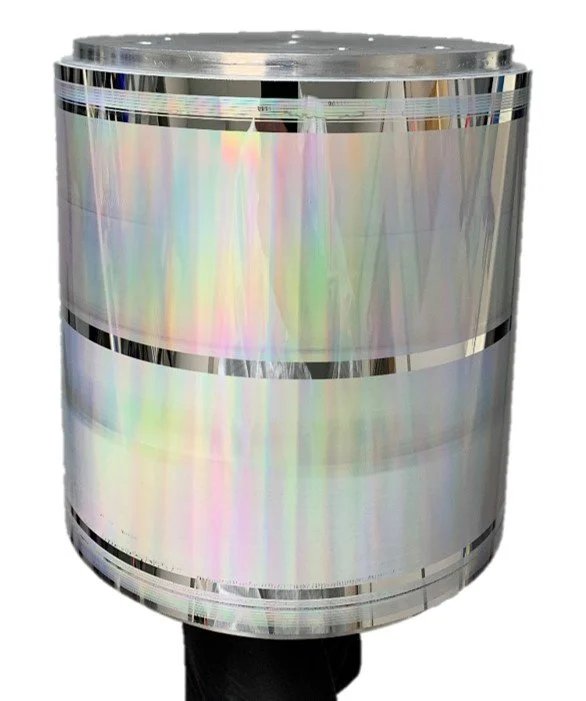
Seamless cylindrical photomasks enable R2R photolithography. The photomasks have UV-blocking regions with metal and UV-transparent regions without metal. Mold Specs Materials: High-phosphorous nickel, copper, and aluminum. Seamless cylindrical photomasks are metal-coated glass or quartz. Dimensions: Up to 6.5 inches in diameter and 6.5 inches long. Larger dimensions possible with equipment upgrade. Form Factors: Flexible shims, seamless cylindrical drums, seamless cylindrical sleeves, and seamless cylindrical photomasks. Feature Specs Pitch: 200 nm to 8 microns demonstrated. Larger and smaller pitches possible with development. Aspect Ratio: Up to about 0.7 (height:pitch). Lattices: Square, hexagonal, and stochastic. Shapes: Bumps, pillars, microlenses, pyramids, hierarchical features (nanofeatures on top of microfeatures), and more. SEM images of diamond dies and polymer replicas of our molds are shown below (molds will have inverted gender from SEM images).
CATEGORY
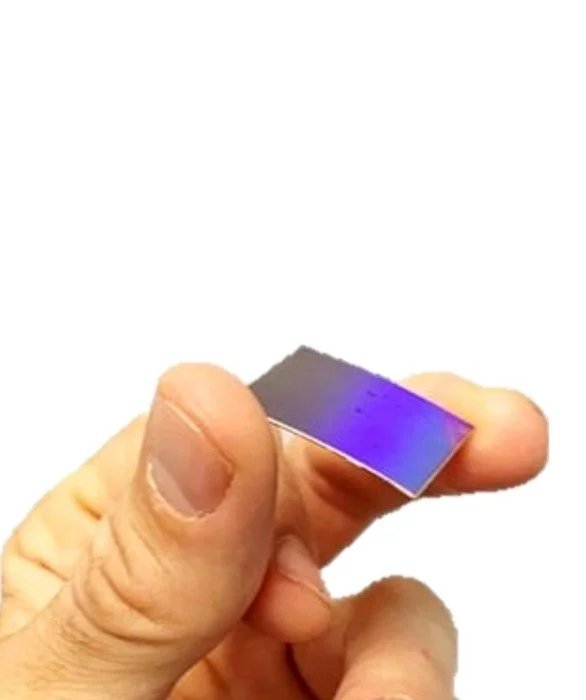
We offer a variety of nanopatterned and micropatterned molds for roll-to-roll (R2R) and plate-to-plate (P2P) UV nanoimprint lithography (UV NIL), thermal embossing, extrusion, and photolithography. The molds are fabricated with SMS’s patented nanocoining process, which is unique in its ability to seamlessly pattern cylindrical molds for R2R processes hundreds of times faster than electron-beam lithography. Contact us if you would like more information or to discuss custom development. Mold Specs Materials: High-phosphorous nickel, copper, and aluminum. Seamless cylindrical photomasks are metal-coated glass or quartz. Dimensions: Up to 6.5 inches in diameter and 6.5 inches long. Larger dimensions possible with equipment upgrade. Form Factors: Flexible shims, seamless cylindrical drums, seamless cylindrical sleeves, and seamless cylindrical photomasks. Feature Specs Pitch: 200 nm to 8 microns demonstrated. Larger and smaller pitches possible with development. Aspect Ratio: Up to about 0.7 (height:pitch). Lattices: Square, hexagonal, and stochastic. Shapes: Bumps, pillars, microlenses, pyramids, hierarchical features (nanofeatures on top of microfeatures), and more. SEM images of diamond dies and polymer replicas of our molds are shown below (molds will have inverted gender from SEM images).
CATEGORY
