By Molchem Technologies Uk LTD.
Aluminum nitride is a compound having remarkable characteristics such as high thermal conductivity. Due to these characteristics, it has a wide range of applications in the electronics sector. The thermal conductivity of Aluminum nitride is in the range of 170-180 W/mK. This is greater than a lot of other ceramics. Moreover, Aluminum nitride can be easily metalized and it is considered a good electric insulator. This characteristic makes it possible to use Aluminum nitride as a heat sink or where the quick heat removal is desired. Aluminum nitride can be found in large shapes, thin substrate, or in powder form. The characteristics of Aluminum nitride are even more effective in the form of nanoparticles. The main characteristics of aluminum nitride powder: - Excellent thermal conductivity - High operating temperature - Low coefficient of thermal expansion - Low dielectric constant - Good electrical insulation and electrical resistivity - Mechanical resistance in compression - The corrosion resistance of gases - High thermal conduction, 5 times that of alumina - Resists molten metals (aluminum, copper, lithium, etc.) - High purity - Attacked by acids and alkalis The other main uses of aluminum nitride (AIN) nanoparticles are: - Heat sink materials for power transistors, thyristors, LDs and LED - Electronic components where electrical dissipation of insulation and heat is required - Circuit substrates of semiconductor modules and IC packages - Crucibles for molten metals, vacuum deposition, and single crystals - Window materials for infrared and radar applications - Heat sink for uncooled power laser diodes - Components where a low dielectric constant and a low dissipation factor are required - Fasteners where a low coefficient of thermal expansion is required - Electrical insulator for electronic tubes - Electrical insulator for lasers - Chip holder for sensors and detectors - Electrical insulator (chuck, clamp ring) for semiconductor process machines - Substrate and insulator for microelectronic circuits, for optoelectronic systems
Silicon dioxide (SiO2) is a compound of Silicon and Oxygen, commonly called silica and the elements are linked by the covalent bond. It is one of the components of the sand and can be found naturally in Quartz. It is usually white or colorless and is not soluble in water or ethanol. By associating with minerals, it forms the silicate family. Silicon dioxide (SiO2) has several industrial applications such as an additive in the food industry. Its function is to act as an anti-binder, anti-foaming agent, viscosity controller, desiccant, beverage clarifier and as an excipient of medications and vitamins. Due to its insolubility in water, silica has little biological availability and is not considered a source of silicon. Silicon found in other more soluble forms contributes to the formation and maintenance of bones and cartilage. Properties of Silicon dioxide (SiO2) Nano Powder Silicon dioxide is a solid and colorless crystalline substance. Silicon dioxide does not react with water and is resistant to acids. The molecular formula of the substance is SiO2. Silicon oxide, a member of the group of acidic glass-forming oxides, interacts with increasing temperature with alkalis and basic oxides, soluble in hydrofluoric acid, tends to form a supersonic fusion, that is, glass is an excellent dielectric. The main properties are stated below: - SiO2 Nanoparticles is transparent and its density is 2634 kg/m3. - The molar mass of SiO2 is 60.0843 g/mol. - The melting point is 1986 K, whereas the boiling point is 2503 K. - Its crystal structure is Quartz, cristobalite or tridymite. Applications of Silicon Dioxide (SiO2) Nano Powder Silica (SiO2) nano powder is used to make flat glass, glass products, molten sand, cement, fiberglass, ceramic enamel, sandblasting for antioxidants, filter sand, flux, refractory and light concrete. Silicon dioxide (SiO2) Nanoparticles is widely used in many industrial products. Rare crystals in nature can be used to create important parts of the electronics, optical instruments and crafts industry. Silicon dioxide (SiO2)nano powder is an important raw material for the manufacture of optical fibers. Generally, pure quartz can be used to make quartz glass. The coefficient of expansion of quartz glass is very small. It is equivalent to 1/18 of ordinary glass. It can withstand temperature change and acid resistance is good. Therefore, quartz glass is often used to make chemical instruments resistant to high temperatures. Quartz sand is often used as a glass material and as a building material. The main applications and uses of Silicon dioxide (SiO2)Nanoparticles are stated below: 1. SiO2 Nanoparticles as Adhesive and Sealer Silica (SiO2)nano powder is the preferred material in the adhesive and sealant field. Adding it to the sealant can quickly form a net structure, inhibit colloidal liquid, increases speed, improves the effect of bonding, and because the particles are small, the sealing of the adhesive increases. Moreover, due to the special development of hydrophobic silicon dioxide, structural adhesives belonging to advanced technologies have been produced. These structural adhesives allow the joining of different materials such as steel, aluminum, magnesium, and plastic. Numerous processes can benefit from the technical advantages and improvements that can be made with the proper selection of dioxides that have been specially developed for the special adhesives and sealants industry. Silicon dioxide (SiO2)nano powder not only improves the mechanical and rheological properties but also acts as a counter to the solution of agents that improve the storage and processing stability of adhesives and sealants. 2. SiO2 Nanoparticles in Material Packing Silicon dioxide (SiO2) Nanoparticles has a three-dimensional network structure and a large specific surface area. They show great activity and can form a mesh structure when the paint dries, it increases the strength and finish of the coating and improves the suspended pigment of the paint which do not fade for a long time. 3. SiO2 Nanoparticles in Textile Industry Silica (SiO2)nano powder has played an important role in functional textiles, at present, it has been used to prevent ultraviolet and works as an anti-aging and anti-bacterial deodorant. For example, the appropriate proportion of Silicon dioxide (SiO2)Nanoparticles is an important additive in resistance to ultraviolet radiation fiber. 4. SiO2 Nanoparticles in Catalysis Due to its large specific surface area, high porosity and good surface activity, Silicon dioxide (SiO2)nano powder has potential applications in the catalysis. Silicon dioxide (SiO2)nano powder works as a catalyst carrier. It shows the unique response performance for many sensitive reactions. 5. SiO2 Nanoparticles in Bactericide field Silica (SiO2)nano powder is used as a carrier in the preparation of fungicides, in which the antibacterial ion can be adsorbed and achieve the objective of sterilization. The application is used for the manufacture of items such as the refrigerator case, the computer keyboard. etc. 6. SiO2 Nanoparticles as Lubricating oil additives Silicon dioxide (SiO2)Nanoparticles as lubricating oil additives show the excellent anti-wear property. In the field of lubricating oil additives, the particles of Silicon dioxide (SiO2)nano powder has hydroxyl and unsaturated bond and can form a solid chemical adsorption film and protect the metallic surface to significantly improve the friction performance of the lubricating oil. 7. SiO2 Nanoparticles as Reinforcing Agent Silicon dioxide (SiO2)Nanoparticles can replace carbon black as a reinforcing agent. It is anti-aging and changes color in rubber, it can produce colorful adhesive on the side of the tire. 8. SiO2 Nanoparticles' Biomedical applications Silica (SiO2)Nanoparticles may be used in cellular functions. Silicon dioxide (SiO2)nano powder has good biocompatibility and, therefore, are widely used as biological carriers. It has been found that Silicon dioxide (SiO2)nano powder interfere with the passage of Wnt signaling, which affects biological processes such as adipocyte differentiation, cancer cell migration and the development of zebrafish embryos. Silica (SiO2)Nanoparticles can cause Wnt signaling molecules to access the lysosome and degradation, and other molecules of Wnt signaling is not affected. 9. SiO2 Nanoparticles in Pharmaceutical Industry Silica (SiO2)nano powder has an absolute necessity in the pharmaceutical industry. Silicon dioxide has become one of the most important and frequently used pharmaceutical excipients. The improvement of the flow properties of the materials necessary for the modern manufacture of tablets and capsules is nothing more than an example of the advantages obtained by the use of Silicon dioxide (SiO2)nano powder. Some of the advantages and benefits of Silicon dioxide (SiO2)Nanoparticles for the pharmaceutical industry are solid forms of drugs, semi-solid forms of drugs, liquid forms of drugs, HD Pharma grade and Pharmacopoeia monographs. 10. SiO2 Nanoparticles in Paints and inks Silicon dioxide (SiO2)nano powder is mainly used in paints and coatings to control rheological characteristics, as a thixotropic agent, as opposed to the agent solution and to aid in the prevention of oxidation and Corrosion, this product should be added in concentrations of 0.5% – 2%. 11. SiO2 Nanoparticles' Ceramic use It is a glass former. It is incorporated into the glaze as ground quartz. It is part of feldspars, clays, as a soluble source in the form of sodium silicate, it is found in all frits as well as in ashes especially rice or reeds. It has little influence on colors, except chrome and nickel reds. Increases opacity in glazes is rich in zinc and borax. 12. SiO2 Nanoparticles in Agriculture and Food Industry In agriculture, Silica (SiO2) Nanoparticles is used for seed treatment, can make vegetables, cabbage, tomatoes, yellow, cotton, corn, wheat, and increases the yield. Silicon dioxide (SiO2)nano powder can be used in herbicides and pesticides. In the food industry, food packaging bags that add Silicon dioxide (SiO2)nano powder keeps fruits and vegetables fresh. It is also used as anticoagulant, antifoam, thickener, auxiliary filter and clarifier in the food industry. The hygienic standard for the use of food additives stipulates that it can be used in egg powder, powdered sugar, powdered milk, cocoa powder, cocoa butter, vegetable powder, instant coffee, powder of soup, etc. The maximum amount of use is 15 g/kg. Products that dissolve in water sometimes show a delay in getting wet or create lumps when removed. A further advantage of the adhesion of a food-grade hydrophilic Silica is that it improves wettability and even helps to prevent lumps from forming. This is because silicon dust is enveloping, thus acting as a holder of space between the individual and the dust particles. In the water spaces, silicon dioxide provides good retention of colored powders and high transparency once it is raised in the water. Thus, the addition of silicon dioxide helps prevent agglomeration, allowing powder producers to permanently offer a high-quality product worldwide, therefore, food products treated with silicon dioxide show stability and long storage. Moreover, Silica is added in powdered foods and other supplements so that other ingredients bind together; For example, food manufacturers add silicon dioxide to salt and various species to keep substances dry, as an anti-caking agent, and to make processed foods tastier. It also prevents the accumulation of some toxins in the body, such as aluminum and other heavy metals, which can prevent some problems that arise, as well as diseases when there is an acidic environment in many organs; the brain is one of them, which needs a good natural dosage to work properly over the years. Obviously, silicon dioxide is important to keep the musculoskeletal system healthy, especially during periods of training, where an extra agent is required to mineralize muscle collagen and bone system. When the nails are brittle, a silicon dioxide supplement may be enough to recover them and keep them healthy. Taking silicon dioxide as a support agent for joint maintenance can be relatively useful. An investigation showed that by supplementing the diet with SiO2 as compared to other protective agents of the joints, this compound shows its power by keeping the entire system stronger in the face of hard training, in addition to helping to have a much more pronounced mental approach. In summary, Silicon dioxide (SiO2) Nanoparticles is a compound of silicon and oxygen, commonly called silica. It is one of the components of the sand. In nature, it occurs naturally as quartz. This spatially composed compound in a three-dimensional (crystallized) network forms quartz and all its varieties. If it is in an amorphous state it constitutes the opal and usually includes a high percentage of water. Silica (SiO2) nano powder has countless applications in a variety of sectors. It is used for the manufacturing of glass, quartz glass, soluble glass, optical fiber, important components of the electronics industry, optical instruments, crafts, and refractory materials. Moreover, it can act as reinforcing agent, adhesive, sealer and much more. It can be found naturally in Quartz. In fact, you will find its applications everywhere!
CATEGORY
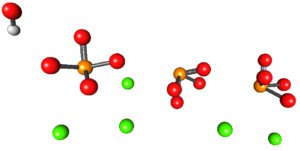
Hydroxyapatite powder also called HA powder is a mineral present in either solid or crystalline form which is then converted into the powdered form. It is based on the presence of calcium, hydroxyl ions and phosphorus in different ratios. It is synthesized chemically in various forms having a balanced chemical equation with appropriate ratios. It has two biological functions too, mantis shrimp and humans/mammals/primates. It has several uses as well in the field of cosmetics, supplements, medical and archeology. With the world pacing at such a great rate, HA powder has proved to be beneficial in several ways. Though there are still some manufacturers who are claiming this mineral to be a misfit but on the other hand, it has multiple supporters too so that is why it is rightly believed that benefits and misfits go hand in hand and it is true in plenty of ways too because we have to be careful as to what product or use of HA powder will prove to be beneficial or harmful for us. Hydroxyapatite which is also known as hydroxylapatite (HA) is a form of a mineral calcium apatite which occurs naturally, the formula of which is Ca 5(PO 4)3(OH). It is therefore known that the mineral hydroxyapatite is a crystalline formed cell and has two separate structures. Hydroxyapatite is one of the members of the apatite group, which is a complex one. The hydroxyl ions can be alternated by carbonate, chloride or fluoride. Upon heating, it is crystallized and is present in the crystalline form which can then be converted into the powdered form by crushing the crystals of it that is why the pure form of it is in white colour. Although the ones which occur naturally might be present in other colours too, that is brown, yellow or green. A bone mineral which is present in a normal human bone is an altered form of the hydroxyapatite because fifty per cent of it by volume and seventy percent of it by weight is actually the bone mineral comprised of hydroxyapatite. The minute structures of hydroxyapatite are also found in the pineal gland, brain sand and a few other structures of the human body. These are the tiny calcifications of the human body. Hydroxyapatite powder can be chemically synthesized in multiple different ways. Calcium, phosphorus and hydroxyl ions are the main components of a hydroxyapatite powder. They can be altered in various ways to bring out various shapes and forms of the powder, but the main formula and equation that formulates the process remain the same which are mentioned below respectfully. It can be formed in solid-state too which later on is converted into the crystalline form and from that is converted into the powdered form to perform various functions for different purposes. Properties of Hydroxyapatite powder The most prominent property of hydroxyapatite powder is the level of its stability at the time of comparison with the other calcium phosphates. However, HA powder is believed to be that calcium phosphate compound which is the most stable under the influence of physical conditions such as the composition of body fluids, pH and temperature. Following are the exceptional chemical properties of HA powder: Biocompatibility: One of the excellent property of HA powder is biocompatibility. HA powder enhances the biocompatibility of all the products it is used in. Bioactivity: Another good property of HA powder is bioactivity. All the products or minerals which have HA powder extraction in them speeds up the bioactivity of those products or minerals. Osteoconductivity: Osteoconductivity too is one of the greatest properties of HA powder. As HA powder can either be transparent or opaque, so osteoconductivity is exceptionally enhanced in it. Non-toxicity and non-inflammatory nature: HA powder possesses the non-toxic and non-inflammatory nature that is why it can be used for various purposes as it has no harmful, toxic or inflammatory effects on any of the things it is mixed with. Following are the physical properties of the HA powder: 1) Like all the other ceramics, HA is also very brittle. 2) The usual colours of HA powder are green, grey, red, brown, violet or colourless, but the colour of it depends upon the type of apatite. 3) It can be transparent or opaque. 4) It gets degraded in the solution of 2.0 pH.
CATEGORY
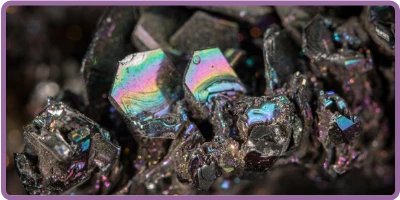
Silicon carbide nanoparticles have wide applications in field emission displays and light emitting devices. Moreover, nanoscale silicon carbide is used in designing and manufacturing electro-devices in nanoscale, nanosensors and biological labels. Bulky silicon carbide (SiC) is known as a refractory agent and semiconductor with excellent thermal, mechanical and chemical behavior. The melting point of this non-oxide ceramic is above 2800 °C, perfectly resistant against corrosion with low thermal expansion coefficient. Silicon carbide has a large bandgap and remarkable mechanical strength with low density and high hardness. Silicon carbide, also known as carborundum, has a rare natural occurrence found in moissanite mineral. However, it has been largely produced as powder since the late nineteenth century with the most application as an abrasive agent. It been found applications in semiconducting electronics devices which function at high voltages and high temperatures. The most favorable electronic properties of silicon carbide include low quantum confinement, high ionic mobility, high breakdown electric field, and high saturation electron drift velocity and high thermal and electrical conductivity. Using a technique called Lely method, silicon carbide’s large single crystals are grown and cut as small as gems called synthetic moissanite. Through binding silicon carbide together, practically hard ceramics are used as a highly enduring agent in car clutch and ceramic plates, car brakes and bulletproof vests. Silicon carbide is also used in electronics, in designing detectors and light emitting diodes (LEDs). Even though silicon carbide is rarely found on Earth crust, it is highly abundant in space mostly near carbon-rich stars with the most common crystal forms as beta-polymorph. In general, crystalline silicon carbide comprises some 250 different forms and is produced in glassy amorphous crystals by pyrolysis of preceramic polymers in an inert gas atmosphere. The most common crystalline structure of SiC is alpha silicon carbide (α-SiC) with a hexagonal configuration which forms at temperatures over 1700˚C. There is a modified silicon carbide as β-SiC which is processed using a zinc blend crystal structure with applications in supports for heterogenous catalysts due to their higher surface area compared to the alpha form. Silicon Micron and Nanoparticles powder: Particles and mostly crystals can be classified according to their size as nano and micron. Generally, the particles with their size around 70 microns are referred as micron particles while those with sizes below 100nm are considered as nanoparticles. Silicon carbide (Sic) is available as micron and nano scales with different properties as well. Regarding high fracture toughness, excellent hardness, high resistance towards oxidization, perfect mechanical strength and stability in extreme environmental conditions, silicon carbide is expected to adopt novel and even improved properties when its obtained in nano scale. The silicon nanoparticles have been demonstrated to exhibit new properties in addition to the improved behaviors mentioned earlier. Silicon nanoparticles have unique optical and electrical properties with higher strength and hardness when included in some target materials. Technically, the impact of silicon carbide nanoparticles has been investigated so precisely proving remarkable impact of the size their physical and mechanical behavior. It has been shown that the encapsulation of smaller silicon carbide nanoparticles in the bulk of aluminum has resulted in significant grain refinement when compared to SiC nanoparticle with bigger sizes. Moreover, the particle mean size has been demonstrated to influence the heat transfer capability and basic microscopic properties of α-SiC/water nanofluids. It has been proved that large-particle nanofluids have lower viscosity and higher thermal conductivity which is originated from the solid/liquid smaller area of interface. What’s more, the particle size directly and significantly affects the catalytic activity.
CATEGORY
After quite a few years since their discovery, fullerenes are now a well-established subject of research in many areas of chemistry and materials science. Years of studies have made researchers aware of both potentials and limitations of this class of compounds. Fullerene science plays a noticeable role in fields, such as Nanotechnology, Supramolecular Chemistry and Materials Chemistry. One of the most promising territories of investigation includes the modification of the fullerene cage to improve and/ or enhance its qualities for various applicative purposes since fullerenes possess unusual magnetic, optical, photophysical, electrochemical, semiconducting and superconducting properties. A new research field has aroused based on the functionalization and study of new fullerene types in recent years, which intends to benefit from the properties of these carbon hollow clusters in different technological fields. The high number of functionalization probabilities combined with the rich supramolecular chemistry of fullerenes provides the production of multiple derivatives of fullerenes with a wide diversity of architectures and these are continuously discovered as novel materials. C60 fullerene (also called as Buckminsterfullerene) is a type of fullerene with the formula C60. It has a cage-like fused-ring that reminds of a soccer ball, and it is made of twenty hexagons and twelve pentagons, with a carbon atom which has one π bond and two σ bonds at each corner of the shape to create a universal vertex. Properties Theoretically every material exhibits wave-particle ductility behavior, however the buckminsterfullerene (C 60 fullerene) is the largest material that is observed to exhibit this behavior. The appearance of fullerenes differs according to the thickness of the material, whether or not they are in solution, and the nature of the solvent. Very thin films of C 60 fullerene are mustard yellow, the color becoming brown, and finally black as the film thickness increases. Solutions of C 60 fullerene have a beautiful magenta color in hydrocarbon solvents, but appear brown in some pi-donor solvents, due to probably some charge-transfer interactions. Solubility Accurate determination of solubilities is difficult, partly because saturated solutions are dark and opaque, hence it is not easy to see if all the solid fullerene has dissolved. Also, a curious feature is that the solubility passes through a maximum with increasing temperature. However, there is some evidence that the behavior of C 60 fullerene in this respect depends upon whether or not the sample has been baked free of solvent prior to carrying out the temperature/ solubility measurements. This aspect is still under investigation, but it seems possible for example, that clustering (there is evidence that this exists in solution), may differ appreciably for baked- and unbaked samples. The close packing in baked samples could cause clusters to be solvated as such, the clusters then gradually breaking up as the temperature of the solution is raised. The solubilities of C 60 fullerene have been determined in studies and the results have been discussed over the years. It has been concluded that it is evident that there is no solvent parameter which universally explains the solubility of C 60 fullerene. There does seem to be an increase in solubility with increase in solvent molecular size, but any correlation with electron-donating abilities of the solvent is lacking. Oxidizing Properties and Toxicity C 60 fullerene is a potent producer of singlet oxygen and therefore precautions should be taken to avoid contact with the skin. However, in this connection it should be noted that whilst a water-soluble fullerene carboxylic acid showed biological activity-toxicity and G-selective DNA cleaving ability (but only under the action of low-level visible light) and that fullerenes are potentially excellent photoinduced electron-transport moieties C 60 fullerene has been found not to affect the proliferation of human keratinocytes or human fibroblasts indicating that its accumulation in human cells does not result in acute toxicity. Also, under visible or UV irradiation in the presence of molecular oxygen, alkenes and dienes undergo reaction with singlet oxygen if a trace of fullerene is present to give photo-oxygenation products. There is however a disagreement as to the relative effectiveness of the fullerene, some surveys find the former to be the more efficient catalyst, whilst others find it to be the latter. Because C 60 fullerene has a low-lying LUMO, it is readily reduced and can acquire, reversibly, up to six electrons under electrochemical conditions. The potentials at which the electrons are added depends on the extent to which the solvent either donates electrons to the cage or accepts them from it. Therefore, C 60 fullerene has good oxidizing properties and may oxidize readily the other materials in which it is contact. Physical and Thermal Properties Some useful data for C 60 fullerene are the following: Mean diameter, 6.83 4 outer diameter, 10.18 A; inner diameter, 3.48 A; average C-C distance 1.44 A FCC (face-centered cubic) lattice constant 14.17 A. Mass density, 1.72 g cm-1; molecular density, 1.44 x 1021 cm-3;; thermal conductivity (at 300 K), 0.4 W mK-1; phase transition temperatures, 90 K, 260 K. Binding energy per atom, 7.4 eV; electron affinity, 2.65 eV, 1st ionization potential, 7.58 eV; 2nd ionization potential, 11.5 eV; HOMO-LUMO band gap, 1.7 eV. Applications Although research on solid C 60 fullerene is still at an early stage, these materials are already beginning to show many exceptional properties, some of which may lead to practical applications. Small-scale applications will come first; then targeted applications utilizing the special properties of fullerenes are expected to follow. Optical Applications - Optical Limiters - Photoexcited C 60-Polymer Composites Electrical Applications - C 60 Transistors - C 60 Based Heterojunction Diodes - C 60 Polymer Composite Heterojunction Rectifying Diodes - C 60 Polymer Composite Heterojunction Photovoltaic Devices - Photoresists - Silicon Wafer Bonding - Photolithography Electrochemical Applications - Hydrogen Storage and Primary Batteries - Electrodes for Secondary Batteries
CATEGORY
