Graphene is a wonder material saddled with great expectations.
Discovered in 2004, it is 1 million times thinner than a human hair, 300 times stronger than steel and it’s the best known conductor of heat and electricity. These qualities could, among other things, make computers faster, batteries more powerful and solar panels more efficient.
But the material is tough to manipulate beyond its two-dimensional form.
Recently, scientists poured graphene oxide suspension, a gel-like form of the material, into freezing molds to create 3-D objects. The process works, but only with simple structures that have limited commercial applications.
Another option is to use a 3-D printer. In this scenario, scientists typically mix graphene with a polymer or other thickening agent. This helps keep the structure from falling apart. But when the polymer is removed via thermal process, it damages the delicate structure.
A research team – comprised of engineers from the University at Buffalo, Kansas State University and the Harbin Institute of Technology in China – may have solved that problem.
A study published Feb. 10 in the journal Small describes how the team used a modified 3-D printer and frozen water to create lattice-shaped cubes and a three-dimensional truss with overhangs using graphene oxide. The structures could be an important step toward making graphene commercially viable in electronics, medical diagnostic devices and other industries.
“Graphene is notoriously difficult to manipulate, but the structures we built show that it’s possible to control its shape in three-dimensional forms,” said Chi Zhou, assistant professor of industrial and systems engineering at UB’s School of Engineering and Applied Sciences, and a corresponding author of the study.
Zhou is a member of the Sustainable Manufacturing and Advanced Robotic Technologies (SMART), a UB Community of Excellence launched in 2015; he also is a member of UB’s New York State Center of Excellence in Materials Informatics.
In their experiments, the research team mixed the graphene oxide with water. They then printed the lattice framework on a surface of -25°C. The graphene is sandwiched between the layers of frozen ice, which act as a structural support.
After the process is completed, the lattice is dipped in liquid nitrogen, which helps form even stronger hydrogen bonds. The lattice is then placed in a freeze dryer, where the ice is changed into gas and removed. The end result is a complex, three-dimensional structure made of graphene aerogel that retains its shape at room temperature.
“By keeping the graphene in a cold environment, we were able to ensure that it retained the shape we designed. This is an important step toward making graphene a commercially viable material,” said Dong Lin, assistant professor of industrial and manufacturing systems engineering at Kansas State University, and the study’s other corresponding author.
The researchers plan to build on their findings by investigating how to create aerogel structures formed of multiple materials.
First authors of the study are Qiangqiang Zhang, a student at Harbin, and Feng Zhang, a student at UB. Contributing authors are Hui Li, a student at Harbin, and Sai Pradeep Medarametla, a student at Kansas State University.
The research team received support from Mark T. Swihart, UB Distinguished Professor of Chemical and Biological Engineering, and Jonathan F. Lovell, assistant professor of biomedical engineering at UB. Both Swihart and Lovell are faculty members within UB’s School of Engineering and Applied Sciences.
University of Buffalo
#Graphene #MaterialScience
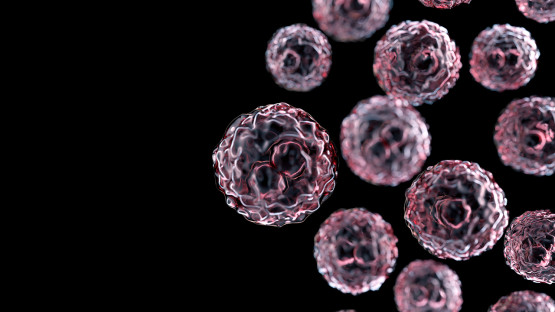
Cornell and Pacific Northwest National Laboratory researchers have developed a predictive model for how crystals such as calcite incorporate silica nanoparticles, revealing that the energy needed to cross water layers at the crystal surface strongly governs uptake, and that amines rather than carboxylic acids bind best.

A polymer hydrogel that grows stronger under repeated bending and strain has been developed by chemists, who report the material survived 10,000 bending cycles in tests on a knee-like joint. Made from a biodegradable blend of sugar crystals and polyethylene glycol, the 3D printable material uses sliding cyclodextrin rings to reinforce stressed regions, mimicking collagen.
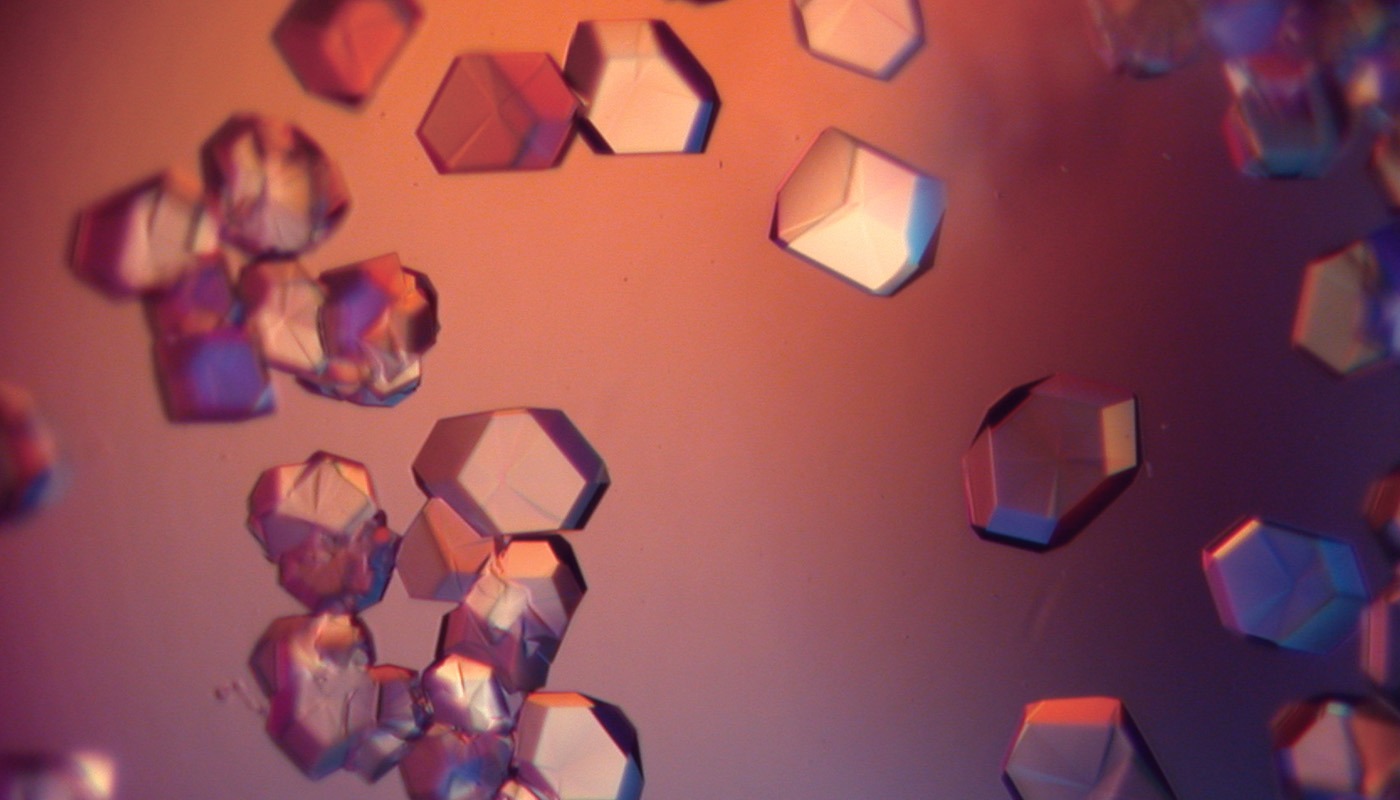
Rigaku has introduced the PhotonJetMAX-S microfocus sealed-tube X-ray source for the XtaLAB Synergy-S, delivering more than twice the diffracted intensity of the PhotonJet-S at a peak power of 50 W.
This week in nanotech
$18.9M raised
4 funding rounds · 31 deals tracked
New products
 Ti-WCMBN Nanomaterialia Featured
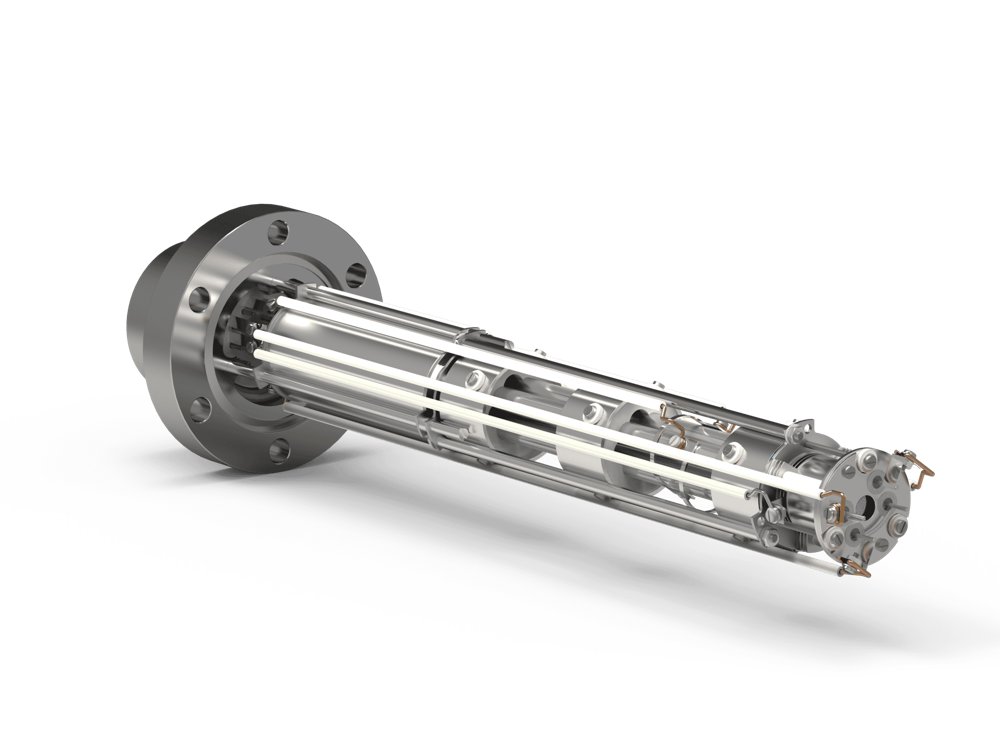 DLS-1 Mass Spectrometer for Fusion Gas AnalysisHiden Analytical Featured
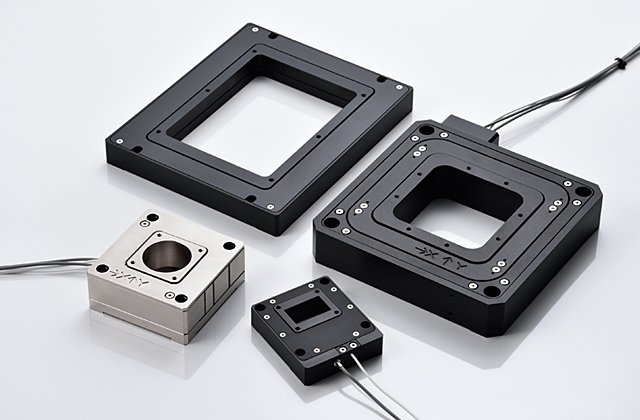 PKVH / PKVL ZAxis With an opening modelTHK PRECISION CO.,LTD.
Market insights
Last 30 days: Semiconductors & Electronics was the busiest vertical: 52 of 170 events (31%).
Money raised per month
Behind the deal
Who led Eindhoven University of Technology’s $1.1M Grant?
See the investors with Insights Pro →