Scientists at The Australian National University (ANU) have developed a new spray-on material with a remarkable ability to repel water.
The new protective coating could eventually be used to waterproof mobile phones, prevent ice from forming on aeroplanes or protect boat hulls from corroding.
"The surface is a layer of nanoparticles, which water slides off as if it's on a hot barbecue," said PhD student William Wong, from the Nanotechnology Research Laboratory at the ANU Research School of Engineering.
The team created a much more robust coating than previous materials by combining two plastics, one tough and one flexible.
"It's like two interwoven fishing nets, made of different materials," Mr Wong said.
The water-repellent or superhydrophobic coating is also transparent and extremely resistant to ultraviolet radiation.
Lead researcher and head of the Nanotechnology Research Laboratory, Associate Professor Antonio Tricoli, said the new material could change how we interact with liquids.
"It will keep skyscraper windows clean and prevent the mirror in the bathroom from fogging up," Associate Professor Tricoli said.
"The key innovation is that this transparent coating is able to stabilise very fragile nanomaterials resulting in ultra-durable nanotextures with numerous real-world applications."
The team developed two ways of creating the material, both of which are cheaper and easier than current manufacturing processes.
One method uses a flame to generate the nanoparticle constituents of the material. For lower temperature applications, the team dissolved the two components in a sprayable form.
In addition to waterproofing, the new ability to control the properties of materials could be applied to a wide range of other coatings, said Mr Wong.
"A lot of the functional coatings today are very weak, but we will be able to apply the same principles to make robust coatings that are, for example, anti-corrosive, self-cleaning or oil-repellent," he said.
Ultra-Durable and Transparent Self-Cleaning Surfaces by Large-Scale Self-Assembly of Hierarchical Interpenetrated Polymer Networks
William S. Y. Wong, Zbigniew H. Stachurski, David R. Nisbet, and Antonio Tricoli
Nanotechnology Research Laboratory, Research School of Engineering, ‡Research School of Engineering, and §Laboratory of Advanced Biomaterials, Research School of Engineering, The Australian National University, Canberra ACT 2601, Australia
ACS Appl. Mater. Interfaces, 2016, 8 (21), pp 13615–13623
DOI: 10.1021/acsami.6b03414
Australian National University (ANU)
#MaterialScience #Nanoparticles #Nanomaterials
This week in nanotech
$281.1M raised
6 funding rounds · 36 deals tracked
New products
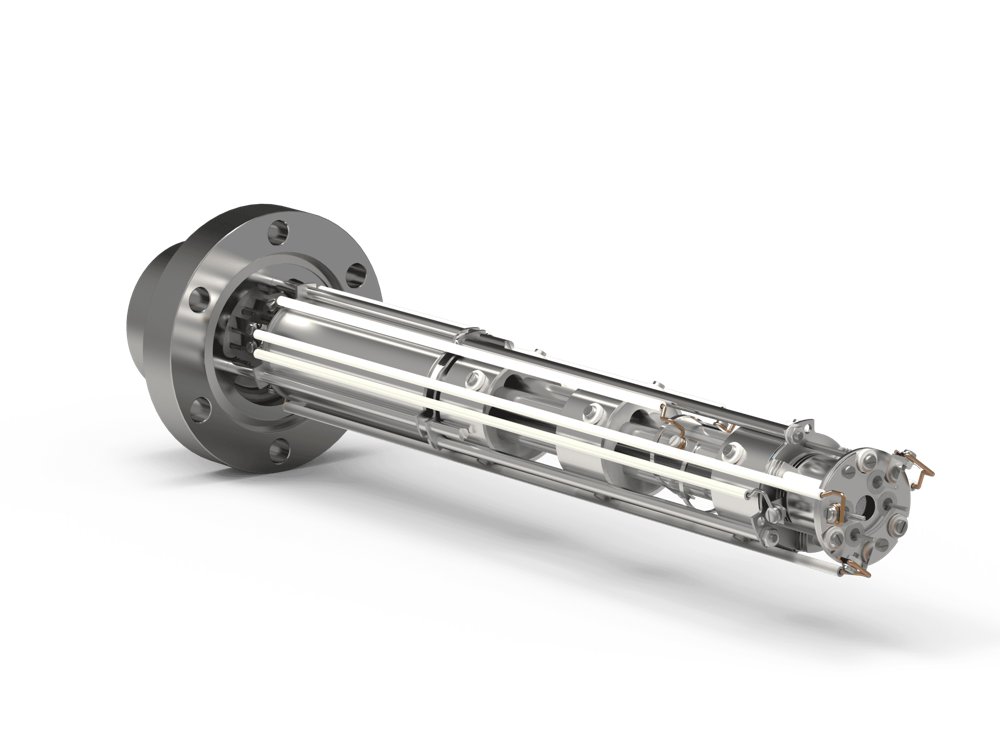 DLS-1 Mass Spectrometer for Fusion Gas AnalysisHiden Analytical Featured
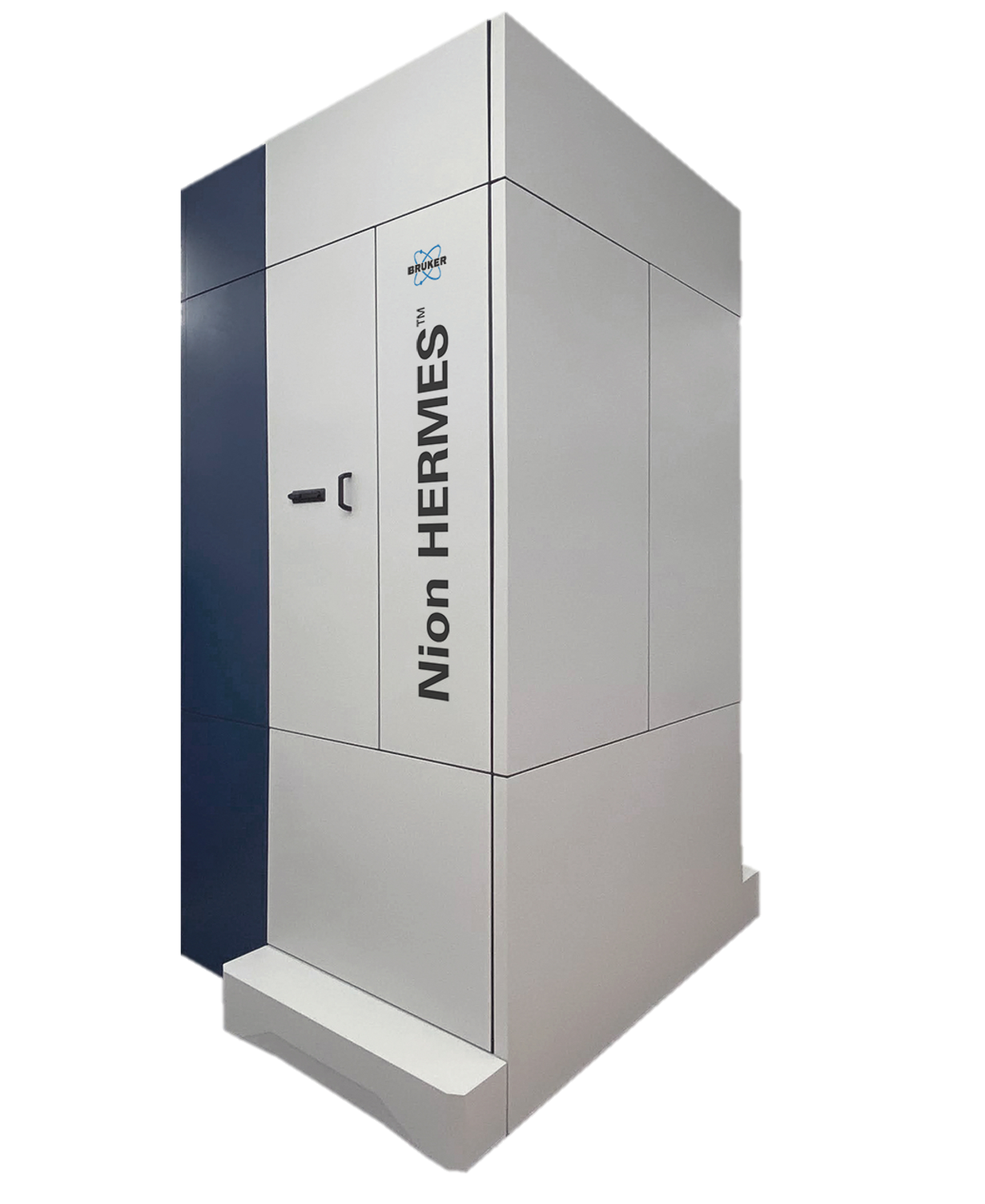 Nion-compatible In Situ STEM Holders for Electrical BiasingHummingbird Scientific Featured
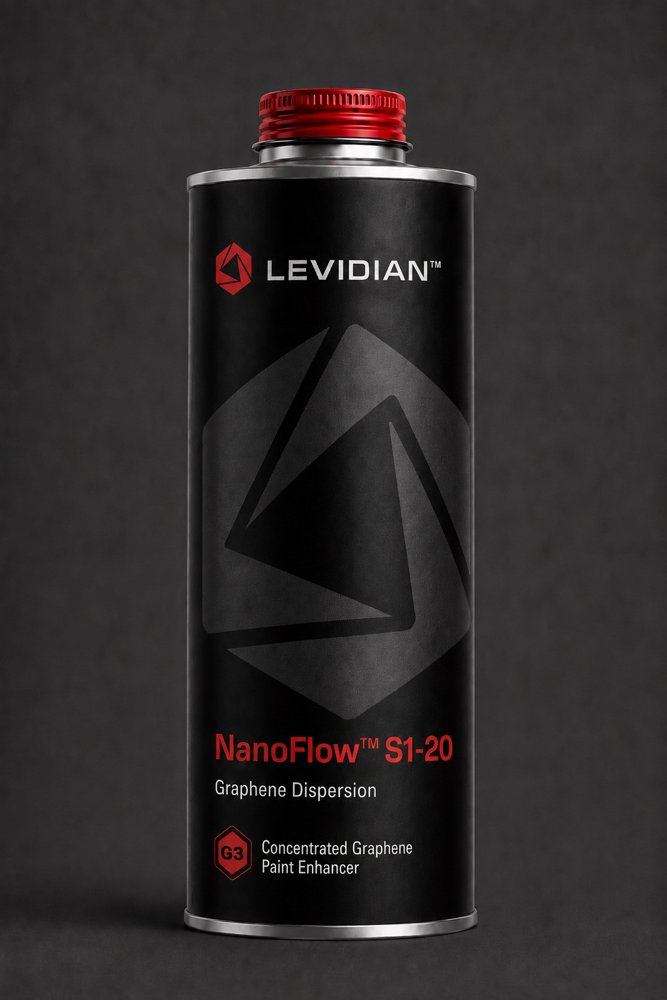 NanoFlow® S1-20Levidian
Market insights
Last 30 days: Quantum Technologies drew the most money: $3.17B.
Money raised per month
Behind the deal
Who invested in Vertical Semiconductor’s $73M Grant?
See the investors with Insights Pro →