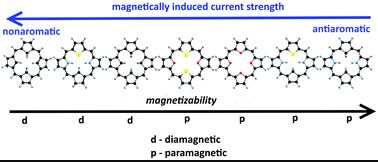
TSU scientist Rashid Valiev and colleagues from the universities of Helsinki and Oslo have discovered a new type of rare molecules whose properties can be controlled by changing the induction of an external magnetic field. These are paramagnetic molecules from the class porphyrins. Porphyrins are part of hemoglobin and chlorophyll and are closely related to the processes of photosynthesis and respiration in living organisms. The results of the study were published in the journal Chemical Communications of the Royal British Chemical Society.
Open paramagnetic porphyrins with a closed electron shell are very rare molecules, because they have a specific electronic structure. Usually, molecules with such a structure are very unstable, and open porphyrins, on the contrary, are unchanged even in the air around us. This makes it possible to manipulate their physicochemical properties with an external magnetic field in various applied fields of magnetooptics and nanotechnology.
Since 2012, a group of scientists, which includes an assistant professor at TSU, has studied the aromatic nature of porphyrins and their derivatives. Aromaticity is a special property of some chemical compounds to exhibit anomalously high stability. That is an important concept in theoretical chemistry and is closely related to the problem of classifying and arranging organic molecules according to their reactivity. However, scientists define it using physics, in particular, they calculate in the molecules magnetically induced currents.
For me, it was always interesting for the physicist to connect our currents and the concept of aromaticity with the spectroscopic or physical properties of molecules,- says Rashid Valiev. - This was done in 2017 for highly antiaromatic porphyrins. Such molecules can be used in magnetooptical problems, where the control of physical properties of molecules is used by changing the induction of an external magnetic field. The fundamental significance of our result is that we explained the nature of the paramagnetism of these molecules.
Using theoretical methods of quantum chemistry, Valiev and his colleagues from the universities of Helsinki and Oslo studied the magnetic properties of seven molecules of isoflorines and carbaporphyrins, both synthesized and hypothetical. They showed that four of the seven molecules considered exhibit paramagnetism, and their spin is zero in the ground electronic state, which is an extremely rare case.
The Department of Optics and Spectroscopy of the Faculty of Physics and Engineering (head of the department is Victor Cherepanov), whose associate professor is Rashid Valiev, traditionally deals with the modeling of physical and chemical properties of molecules and molecular systems for various applied problems of medicine, astronomy, biology, and chemistry. The Faculty of Physics is part of the StrAU Institute of Smart Materials and Technology (SMTI).
Closed-shell paramagnetic porphyrinoids
Rashid R. Valiev, Heike Fliegl and Dage Sundhol
DOI:10.1039/C7CC05232D
TSU
#Physics #QuantumMechanics
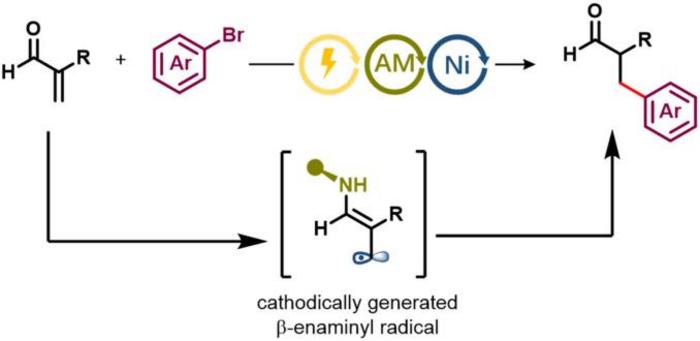
A primary amine and nickel dual catalytic system uses electrochemistry to reverse the usual reactivity of aminocatalytic intermediates, reducing an iminium ion at the cathode to a β-enaminyl radical instead of oxidizing an enamine. Run at 1.10 V with an inexpensive achiral amine, the method couples α-branched acroleins with aryl and alkenyl halides, giving β-functionalised aldehydes in up to 91% yield and 80% on gram scale.
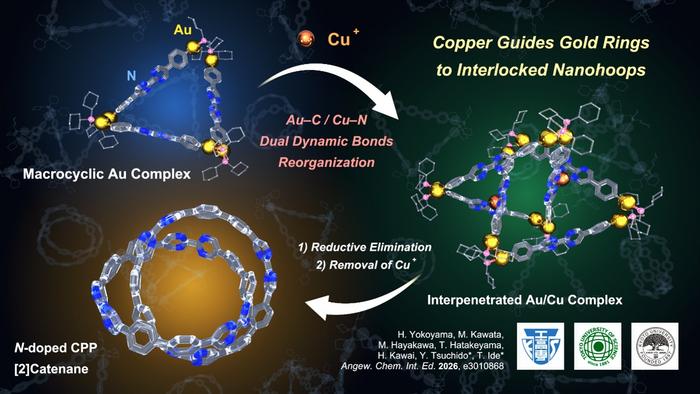
Researchers in Japan have combined gold(I) carbon bonds and copper(I) nitrogen coordination to assemble an interlocked catenane of nitrogen-doped carbon nanohoops in a single pot. Demetallation gave a metal-free [2]catenane of two fully conjugated [12]CPP rings in only eight steps, with a 2.9% overall yield that improves on conventional routes.
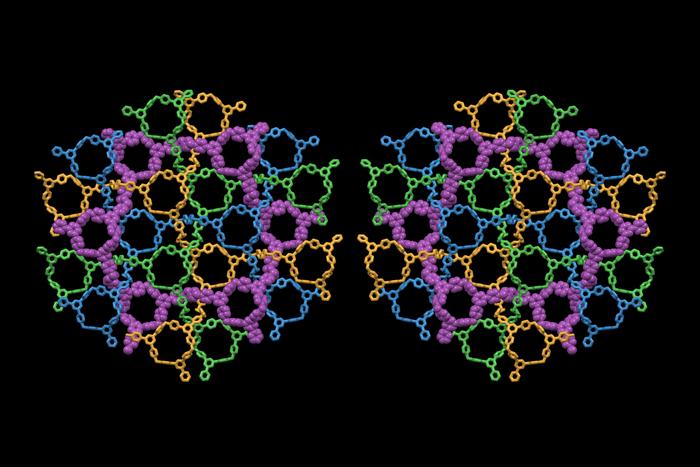
Chemists at UT Austin and Zhejiang University have developed a self-assembling molecularly woven fabric that separates benzene from cyclohexane far more efficiently than distillation, whose near-identical boiling points make conventional processing costly. Stacked layers of clockwise and counterclockwise chiral networks form a springy, reusable filter that absorbed 97.9% of benzene from a 50/50 mixture.
This week in nanotech
19 deals tracked
New products
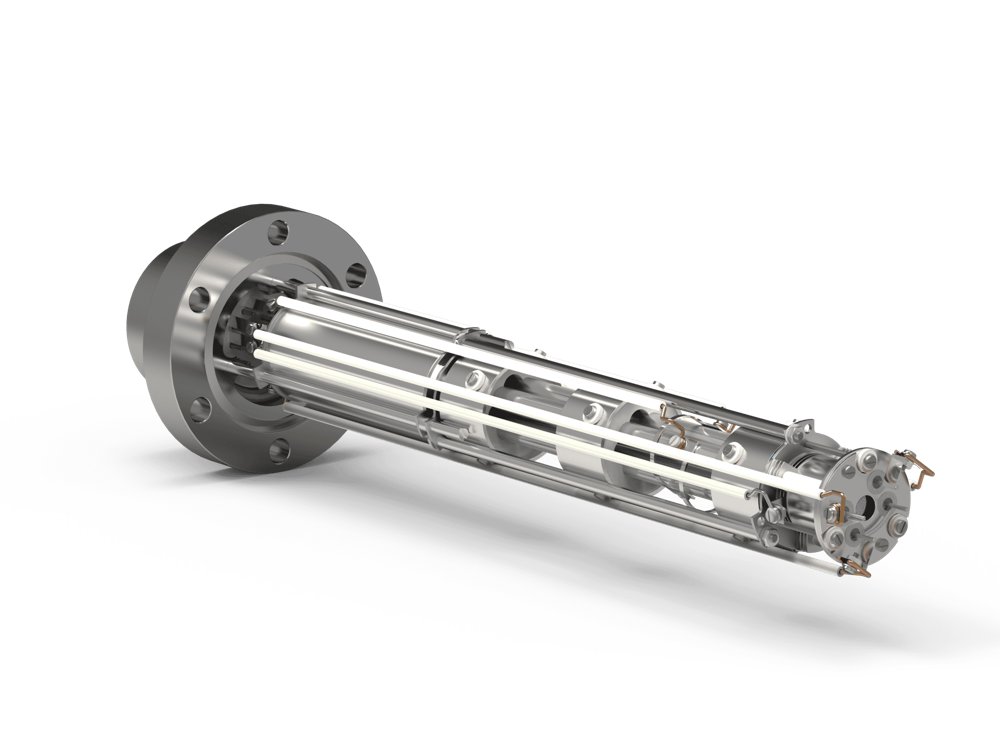 DLS-1 Mass Spectrometer for Fusion Gas AnalysisHiden Analytical Featured
 Nion-compatible In Situ STEM Holders for Electrical BiasingHummingbird Scientific Featured
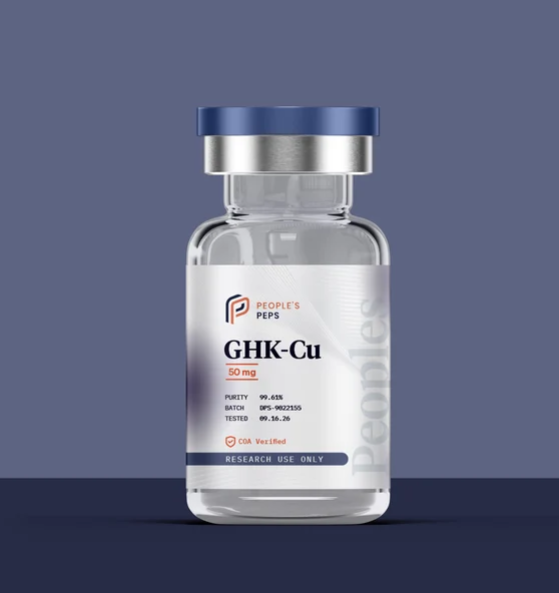 GHK-CuPeoples Peps
Market insights
Last 30 days: Semiconductors & Electronics was the busiest vertical: 54 of 170 events (32%).
Money raised per month