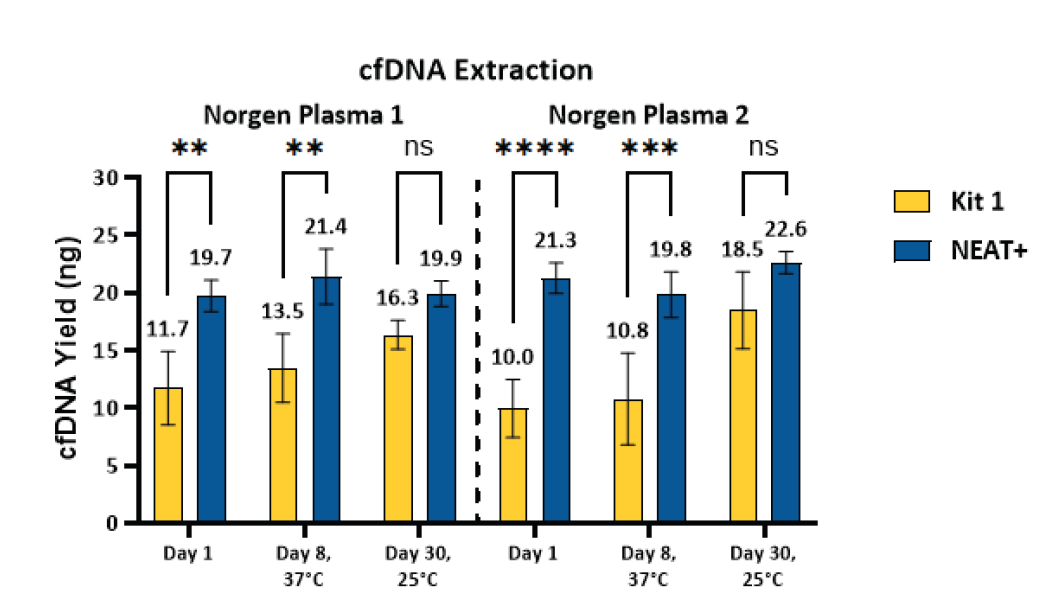
8 November 2026. Ceres Nanosciences, Inc. has published Application Note #108, which reports that its NEAT cfDNA Extraction Kit (SKU 77300) recovered an average of 60% more cfDNA than a commercially available column-based extraction kit from contrived plasma samples. The note covers cfDNA recovery, purity and detection of EGFR L858R and T790M mutations in preserved plasma.
The study used Ceres' Nanotrap Extraction Advanced Technology (NEAT) with Norgen's cf-DNA/cf-RNA Preservative Tubes. Whole blood from two healthy donors was evaluated on Day 1 after collection, after eight days at 37°C and after thirty days at 25°C. Following plasma separation, samples were extracted using either the NEAT kit with an automated KingFisher Apex workflow or the manual column-based comparator kit.
NEAT eluates contained cfDNA at approximately 91 to 97% of total extracted DNA across the evaluated conditions, compared with approximately 82 to 91% for the comparator kit. CfDNA yields remained comparable to the Day 1 baseline after 30 days at 25°C and 8 days at 37°C. For mutation analysis, plasma was spiked with Seraseq ctDNA Mutation Mix v2 at a 2% allele frequency.
Extracted DNA was assessed with the Agilent 4200 TapeStation system for yield and purity and the QIAGEN QIAcuity digital PCR system for EGFR L858R and T790M detection. Digital PCR showed higher recovered copy concentrations of both variants with NEAT than with the comparator kit, with statistically significant differences in several comparisons.
The note states that the study used plasma from two healthy donors and characterised mutation standards rather than patient-derived tumour DNA. It says the findings establish analytical workflow compatibility and comparative extraction performance, and that additional clinical validation would be needed to establish performance in patient samples.
Ceres lists multisite clinical research studies, centralised testing laboratories, remote sample collection programs and oncology biomarker research and assay development as applications for the combination of higher cfDNA recovery, reduced genomic DNA carryover and stable performance after extended storage.
Source: Ceres Nanosciences, Inc. news
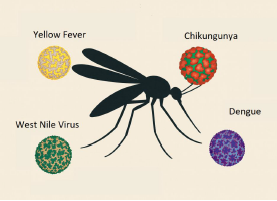
Ceres Nanosciences evaluated Nanotrap® Microbiome A and B Particles with the Nanotrap® PRIME Extraction Kit for detecting five mosquito-borne arboviruses in wastewater. Chikungunya and yellow fever were detected at concentrations as low as 10 copies/mL.
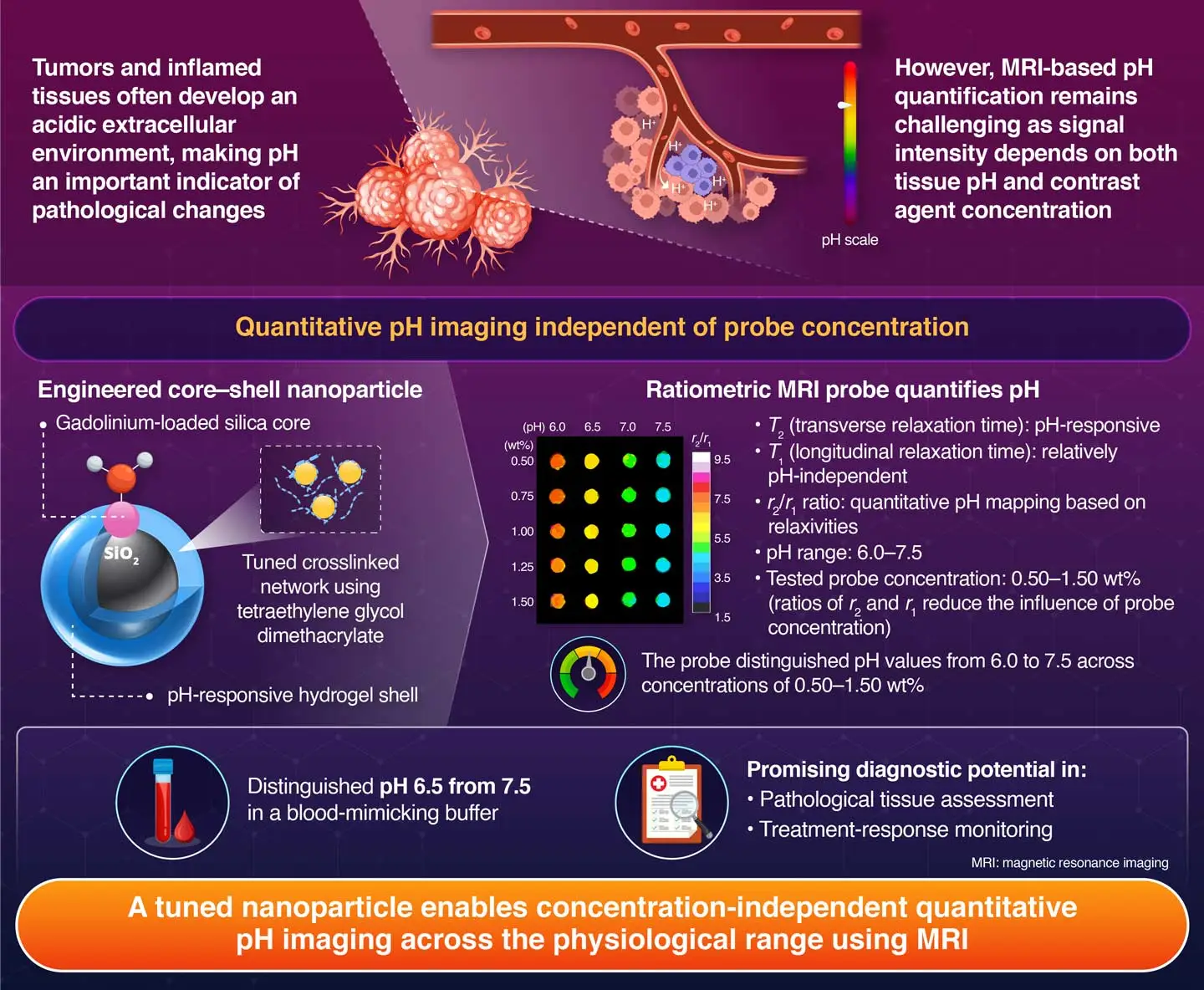
Researchers have built a core-shell nanoparticle MRI contrast agent that reports tissue pH independently of probe concentration. A gadolinium-loaded silica core sits inside a crosslinked polymer hydrogel shell tuned with tetraethylene glycol dimethacrylate; as acidity rises the shell shrinks, shifting transverse relaxivity while longitudinal relaxivity holds steady. Ratiometric imaging of the r2/r1 ratio resolved pH 6.0 to 7.5 across agent concentrations and in serum.
A study in One Health used Ceres Nanotrap Microbiome A Particles to concentrate microorganisms from 70 wastewater samples in Bangladesh, detecting at least one of nine antibiotic resistance genes in 90% of samples.
This week in nanotech
$111.7M raised
4 funding rounds · 18 deals tracked
New products
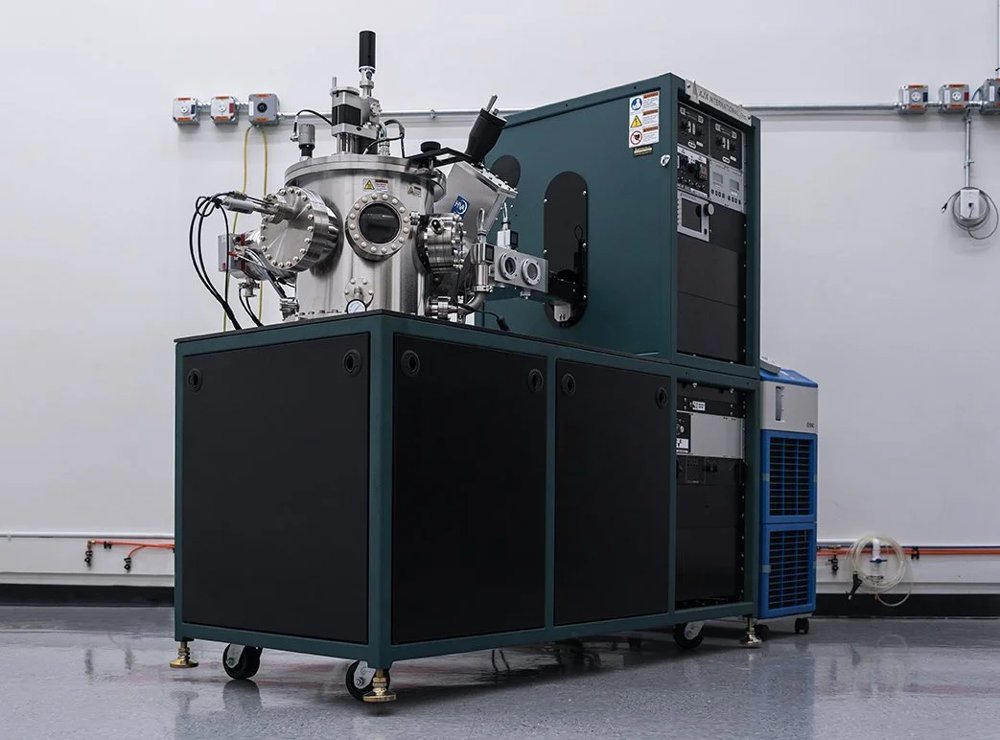 Orion Sputtering Deposition SystemsAJA International Featured
 Nion-compatible In Situ STEM Holders for Electrical BiasingHummingbird Scientific Featured
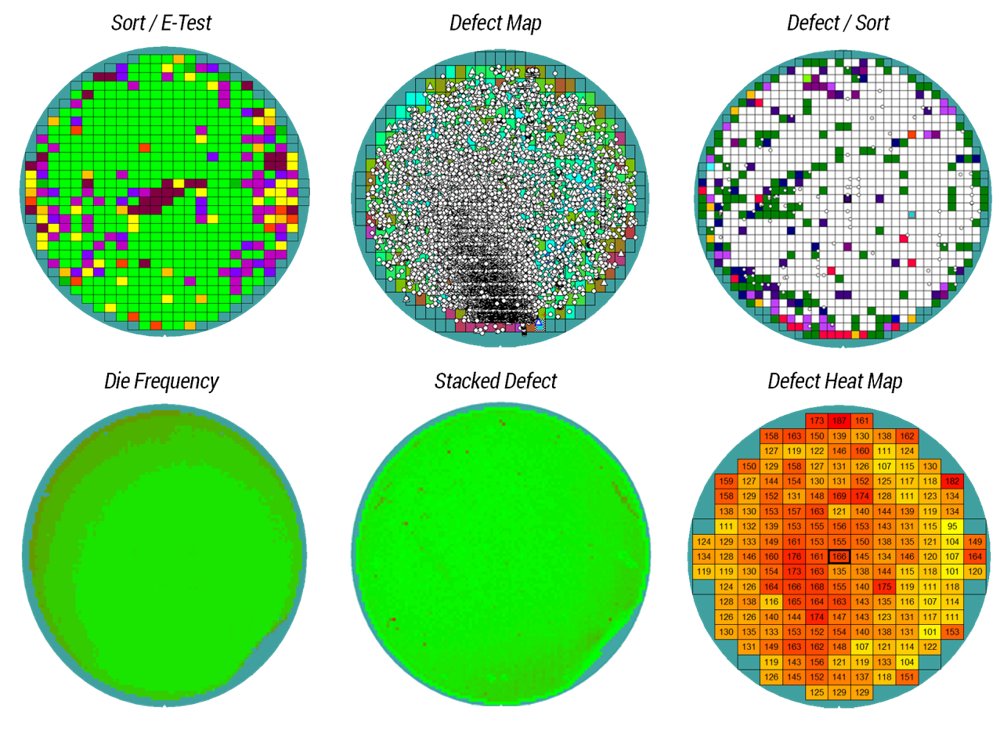 Discover Mapping SuiteOnto Innovation
Market insights
Last 30 days: Semiconductors & Electronics drew the most money: $547.7M.
Money raised per month