1 November 2026. Ceres Nanosciences, Inc. reported that its Nanotrap technology was used in a peer-reviewed study on antibiotic resistance genes in community wastewater in Bangladesh. The study was published in One Health (2026;22:101301).
Researchers from the International Centre for Diarrhoeal Disease Research, Bangladesh (icddr,b), Emory University and collaborating institutions tested 70 wastewater samples collected from Dhaka and Cox's Bazar, including communities within Rohingya refugee camps. Samples were collected between April and May 2023 from urban drainage systems, wastewater pumping stations and refugee camp drainage networks.
The team used Nanotrap Microbiome A Particles (SKU 44202) and Nanotrap Enhancement Reagent 1 (SKU 10111-10) to concentrate microorganisms from 14 mL aliquots of each sample before nucleic acid extraction, PCR detection and sequencing. At least one of nine targeted antibiotic resistance genes was detected in 90% of samples (63/70), and all nine genes were found together in 47.1% of samples (33/70). Five genes (blaTEM, blaCTX-M, blaOXA, tolC and acrA) were each detected in 90% of samples. Detection of blaNDM was 85.7%, blaKPC 84.3%, blaSHV 77.1% and mcr-1 52.9%.
Detection frequencies were generally higher in Cox's Bazar than in Dhaka. Five resistance genes were detected in 100% of Cox's Bazar samples, compared with 80% of Dhaka samples. Sequencing produced 77 ARG sequences and identified previously unreported amino acid substitutions in KPC carbapenemase sequences. Computational modeling suggested these mutations could alter interactions with beta-lactam antibiotics, though the researchers said further experimental validation is needed.
The study used qualitative PCR to establish the presence of the genes rather than to quantify their abundance or expression. The researchers did not directly compare Nanotrap technology against alternative microbial concentration methods. The authors state that further research is needed to establish quantitative surveillance methods and to understand how environmental ARG detection relates to clinical resistance trends.
Ceres Nanosciences is headquartered in Manassas, VA, USA.
Source: Ceres Nanosciences, Inc. news
A study led by Imperial College London compared five wastewater concentration methods. Nanotrap Microbiome A Particles showed the most consistent recovery across pathogens and the lowest equipment cost at approximately $8,200.
MMI Molecular Machines and Industries AG installed a CellCut system at the A.I. Virtanen Institute for Molecular Sciences at the University of Eastern Finland in Kuopio on 21 and 22 October 2026.
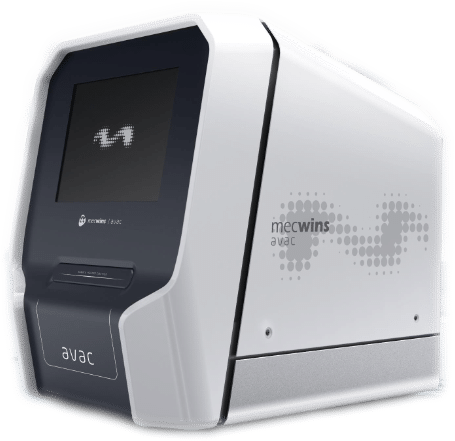
Mecwins has described its AVAC technology, which labels target proteins with plasmonic nanoparticles and counts each one individually by dark-field micro-spectrophotometry. The AVAC Analyzer reaches femtogram-range sensitivity.
This week in nanotech
$558.4M raised
6 funding rounds · 36 deals tracked
New products
 Nion-compatible In Situ STEM Holders for Electrical BiasingHummingbird Scientific Featured
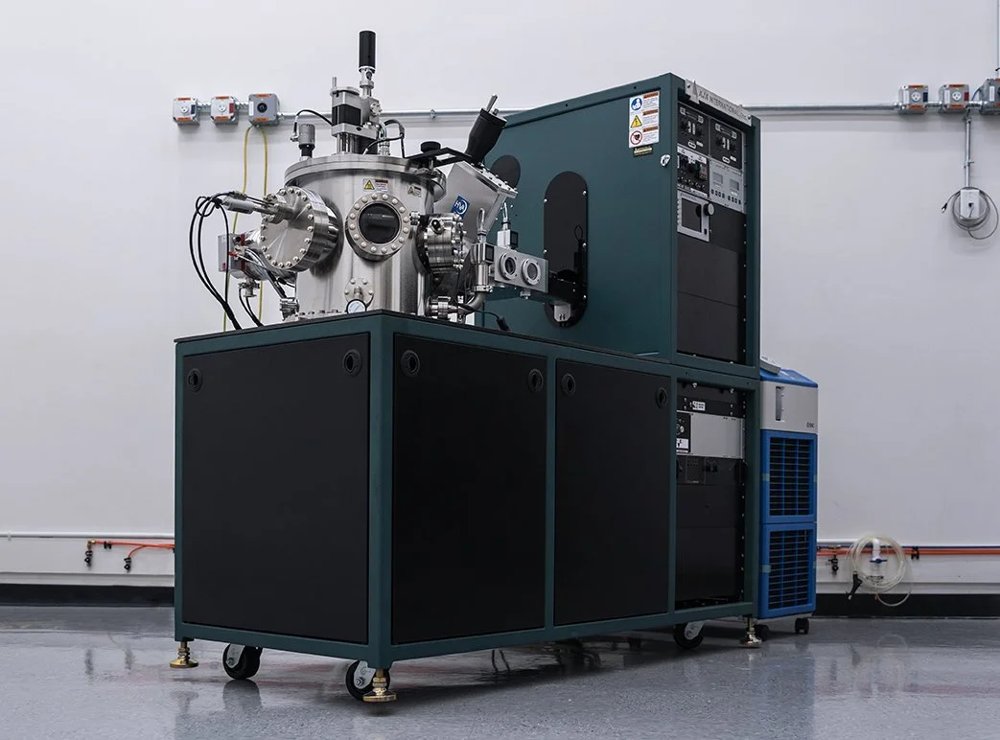 Orion Sputtering Deposition SystemsAJA International Featured
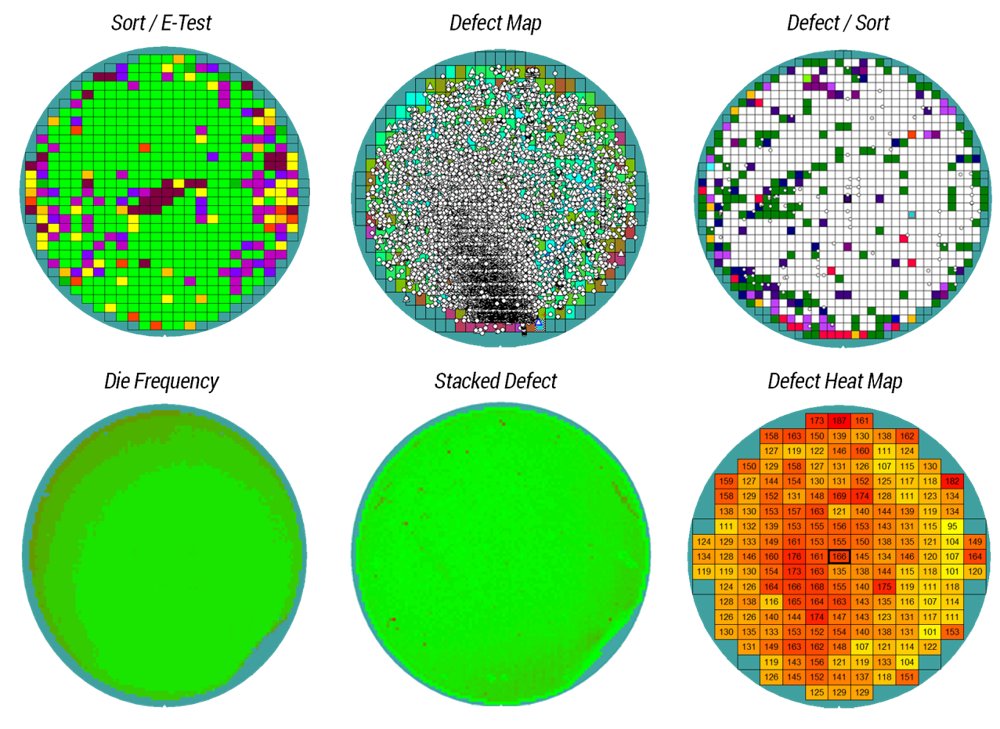 Discover Mapping SuiteOnto Innovation
Market insights
Last 30 days: Quantum Technologies drew the most money: $2.15B.
Money raised per month