29 October 2026. A study led by researchers at Imperial College London, in collaboration with international public health institutions, evaluated methods for improving the sensitivity and cost-effectiveness of wastewater surveillance for multiple infectious diseases. The work compared five wastewater concentration methods and five nucleic acid extraction kits. Ceres Nanosciences' Nanotrap Microbiome A Particles showed the most consistent recovery across structurally diverse pathogens and the lowest equipment cost of the five concentration methods.
The findings were published in VeriXiv on October 2, 2026 (volume 3, article 299). The study focused on pathogens associated with polio, typhoid fever, cholera and hepatitis E, with additional evaluation of SARS-CoV-2 and other viral indicators.
The Nanotrap workflow required approximately $8,200 in equipment, compared with approximately $15,700 to $23,400 for competing methods. Concentration took approximately 1.5 to 2 hours. The five technologies compared were Nanotrap particles, skimmed milk flocculation, polyethylene glycol precipitation, ultrafiltration and electronegative filtration.
Nanotrap particles significantly outperformed polyethylene glycol precipitation for recovery of naturally occurring SARS-CoV-2 in wastewater. For Vibrio campbellii, a surrogate for the cholera pathogen Vibrio cholerae, Nanotrap significantly outperformed polyethylene glycol precipitation both before and after PCR inhibitor removal. Nanotrap also enabled endpoint PCR detection in all three spiked samples without additional inhibitor removal. Nanotrap A Particles alone performed comparably to a combined Nanotrap A and B particle workflow.
The researchers identified a workflow combining Nanotrap particles, MagMAX Wastewater nucleic acid extraction and PCR inhibitor removal as the preferred approach for simultaneous multi-pathogen detection under the study conditions. Skimmed milk flocculation offered the lowest consumable cost per sample.
Samples were collected from a municipal treatment facility serving approximately 2.1 million people in London. The study noted that wastewater composition, pathogen characteristics and laboratory resources can influence method performance, and that further validation across different settings and lower pathogen concentrations will be important.
Source: Ceres Nanosciences, Inc. news
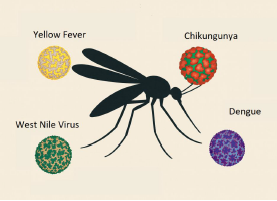
Ceres Nanosciences evaluated Nanotrap® Microbiome A and B Particles with the Nanotrap® PRIME Extraction Kit for detecting five mosquito-borne arboviruses in wastewater. Chikungunya and yellow fever were detected at concentrations as low as 10 copies/mL.
MMI Molecular Machines and Industries AG installed a CellCut system at the A.I. Virtanen Institute for Molecular Sciences at the University of Eastern Finland in Kuopio on 21 and 22 October 2026.
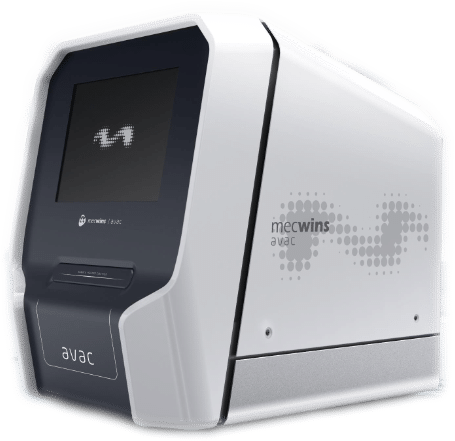
Mecwins has described its AVAC technology, which labels target proteins with plasmonic nanoparticles and counts each one individually by dark-field micro-spectrophotometry. The AVAC Analyzer reaches femtogram-range sensitivity.
This week in nanotech
$751.8M raised
6 funding rounds · 38 deals tracked
New products
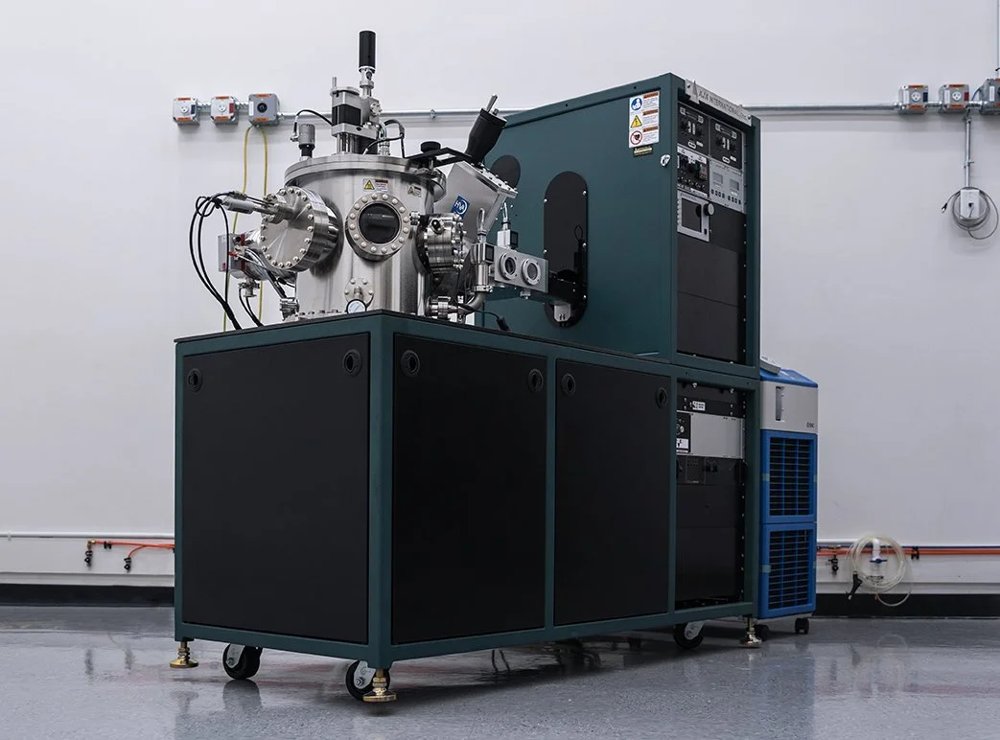 Orion Sputtering Deposition SystemsAJA International Featured
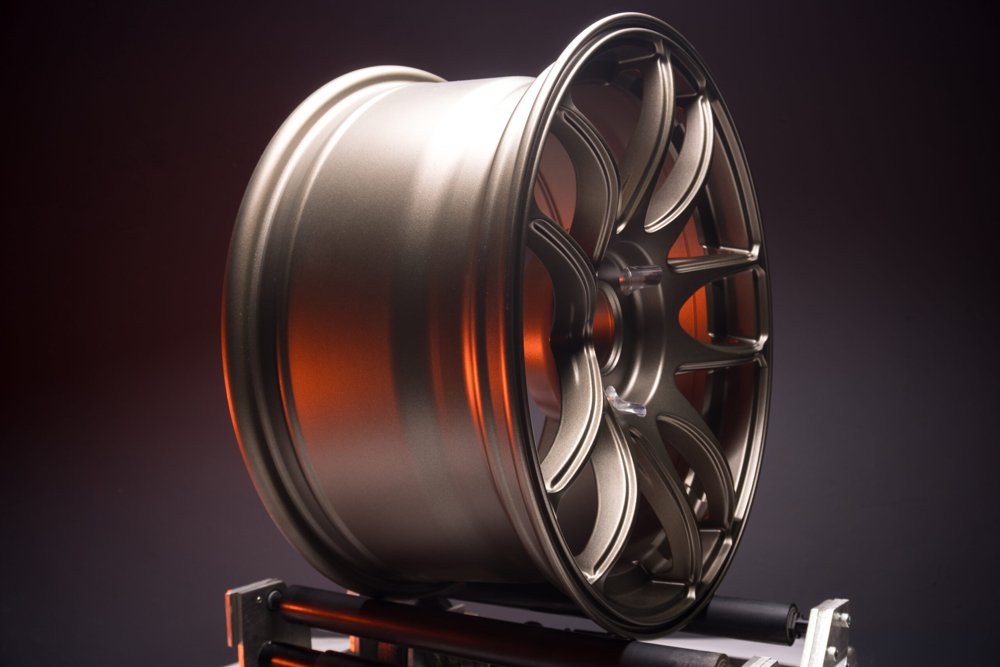 Ti-WCMBN Nanomaterialia Featured
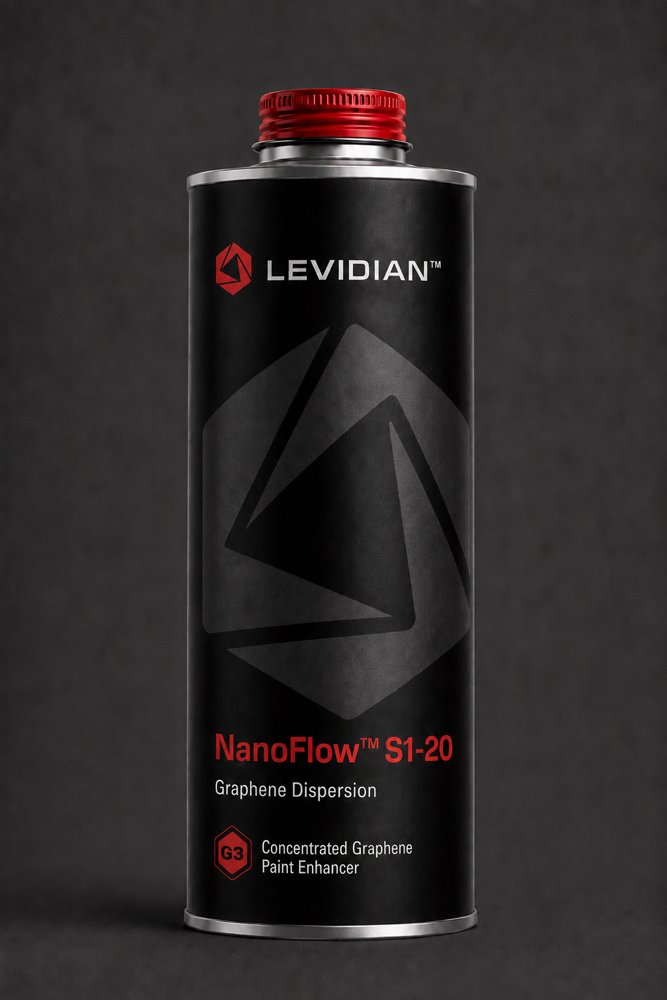 NanoFlow® S1-20Levidian
Market insights
Last 30 days: Quantum Technologies drew the most money: $3.18B.
Money raised per month
Behind the deal
Who invested in Vertical Semiconductor’s $73M Grant?
See the investors with Insights Pro →