University of Michigan (U-M)
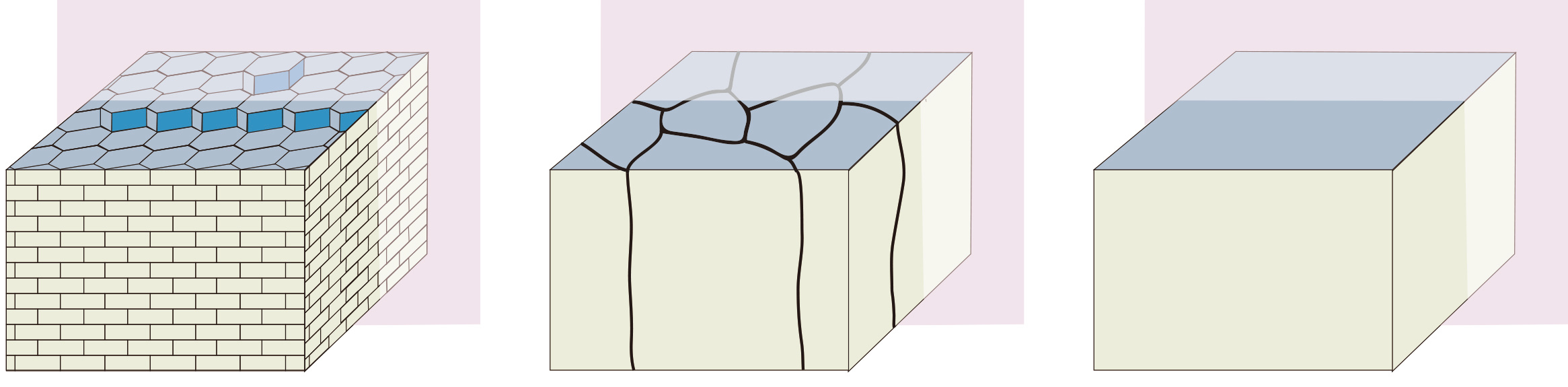
Nacre, the rainbow-sheened material that lines the insides of mussel and other mollusk shells, is known as nature's toughest material. Now, a team of researchers led by the University of Michigan has revealed precisely how it works, in real time.
More commonly known as mother-of-pearl, nacre's combination of hardness and resilience has mystified scientists for more than 80 years. If humans could mimic it, it could lead to a new generation of ultra-strong synthetic materials for structures, surgical implants and countless other applications.
"We humans can make tougher materials using unnatural environments, for example extreme heat and pressure. But we can't replicate the kind of nano-engineering that mollusks have achieved. Combining the two approaches could lead to a spectacular new generation of materials, and this paper is a step in that direction," said Robert Hovden, U-M assistant professor of materials science and engineering.

Researchers have known the basics of nacre's secret for decades--it's made of microscopic "bricks" of a mineral called aragonite, laced together with a "mortar" made of organic material. This bricks-and-mortar arrangement clearly lends strength, but nacre is far stronger than its materials suggest.
Hovden's team, which included U-M materials science graduate research assistant Jiseok Gim as well as geochemists from Australia's Macquarie University and elsewhere, worked together to crack the mystery.
At U-M's Michigan Center for Materials Characterization, the researchers used tiny piezo-electric micro-indenters to exert force on shells of Pinna nobilis, commonly known as the noble pen shell, while they were under an electron microscope. They watched what happened in real time.
They found that the "bricks" are actually multisided tablets only a few hundred nanometers in size. Ordinarily, these tablets remain separate, arranged in layers and cushioned by a thin layer of organic "mortar." But when stress is applied to the shells, the "mortar" squishes aside and the tablets lock together, forming what is essentially a solid surface. When the force is removed, the structure springs back, without losing any strength or resilience.
This resilience sets nacre apart from even the most advanced human-designed materials. Plastics, for example, can spring back from an impact, but they lose some of their strength each time. Nacre lost none of its resilience in repeated impacts at up to 80% of its yield strength.
What's more, if a crack does form, nacre confines the crack to a single layer rather than allowing it to spread, keeping the shell's structure intact.
"It's incredible that a mollusk, which is not the most intelligent creature, is fabricating so many structures across so many scales," Hovden said. "It's fabricating individual molecules of calcium carbonate, arranging them into nano-layered sheets that are glued together with organic material, all the way up to the structure of the shell, which combines nacre with several other materials."
Hovden believes humans could use the mussel's methods to create nano-engineered composite surfaces that could be dramatically lighter and stronger than those available today.
"Nature is handing us these highly optimized structures with millions of years of evolution behind them," he said. "We could never run enough computer simulations to come up with these--they're just there for us to discover."
Nanoscale deformation mechanics reveal resilience in nacre of Pinna nobilis shell
Jiseok Gim, Noah Schnitzer, Laura M. Otter, Yuchi Cui, Sébastien Motreuil, Frédéric Marin, Stephan E. Wolf, Dorrit E. Jacob, Amit Misra & Robert Hovden
Nature Communications volume 10, number 4822 (2019)
DOI: 10.1038/s41467-019-12743-z
Contact information:
Robert Hovden
Assistant Professor of Materials Science and Engineering at U-M
hovden@umich.edu
Phone: 734.764.3949
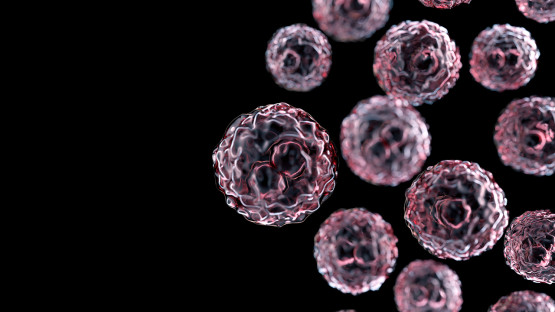
Cornell and Pacific Northwest National Laboratory researchers have developed a predictive model for how crystals such as calcite incorporate silica nanoparticles, revealing that the energy needed to cross water layers at the crystal surface strongly governs uptake, and that amines rather than carboxylic acids bind best.
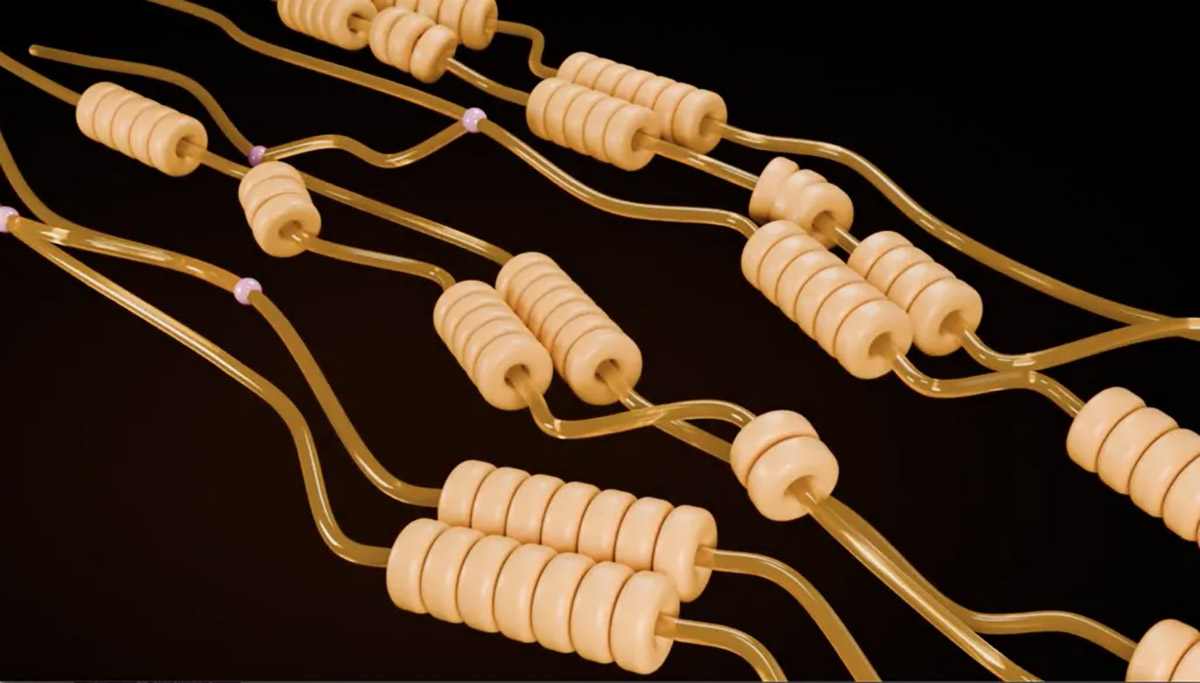
A polymer hydrogel that grows stronger under repeated bending and strain has been developed by chemists, who report the material survived 10,000 bending cycles in tests on a knee-like joint. Made from a biodegradable blend of sugar crystals and polyethylene glycol, the 3D printable material uses sliding cyclodextrin rings to reinforce stressed regions, mimicking collagen.
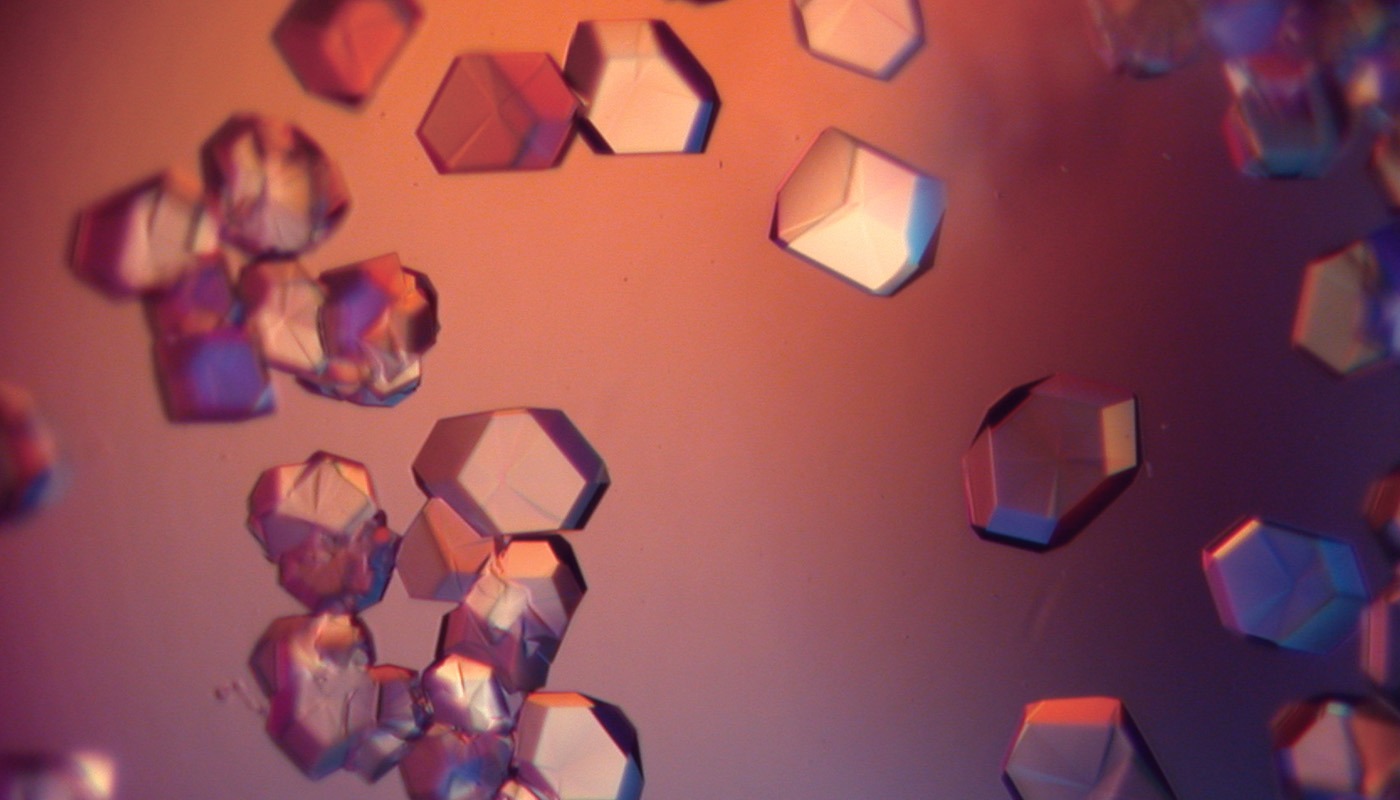
Rigaku has introduced the PhotonJetMAX-S microfocus sealed-tube X-ray source for the XtaLAB Synergy-S, delivering more than twice the diffracted intensity of the PhotonJet-S at a peak power of 50 W.
This week in nanotech
$18.9M raised
4 funding rounds · 31 deals tracked
New products
 DLS-1 Mass Spectrometer for Fusion Gas AnalysisHiden Analytical Featured
 Nion-compatible In Situ STEM Holders for Electrical BiasingHummingbird Scientific Featured
 NanoFlow® S1-20Levidian
Market insights
Last 30 days: Semiconductors & Electronics was the busiest vertical: 52 of 170 events (31%).
Money raised per month