Technical University of Munich (TUM)
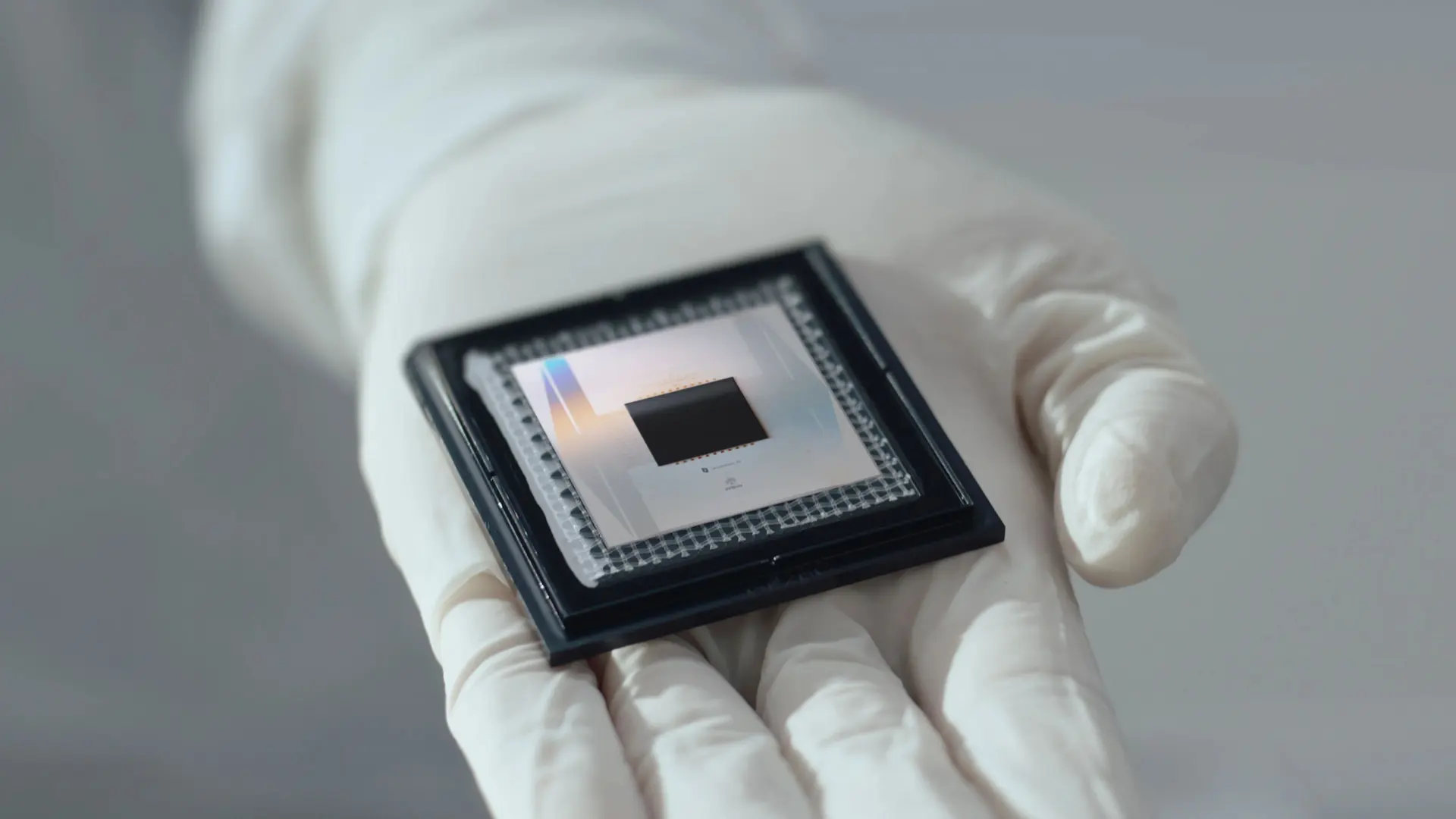
Phases of matter are the basic states that matter can take - like water that can occur in a liquid or ice phase. Traditionally, these phases are defined under equilibrium conditions, where the system is stable over time. But nature allows for stranger possibilities: new phases that emerge only when a system is driven out of equilibrium. In a new study published in Nature, a research team shows that quantum computers offer an unparalleled way to explore those exotic states of matter.
Unlike conventional phases of matter, the so-called non-equilibrium quantum phases are defined by their dynamical and time-evolving properties — a behavior that cannot be captured by traditional equilibrium thermodynamics. One particularly rich class of non-equilibrium states arises in Floquet systems — quantum systems that are periodically driven in time. This rhythmic driving can give rise to entirely new forms of order that cannot exist under any equilibrium conditions, revealing phenomena that are fundamentally beyond the reach of conventional phases of matter.
Using a 58 superconducting qubit quantum processor, the team from the Technical University of Munich (TUM), Princeton University, and Google Quantum AI realized a Floquet topologically ordered state, a phase that had been theoretically proposed but never before observed. They directly imaged the characteristic directed motions at the edge and developed a novel interferometric algorithm to probe the system’s underlying topological properties. This allowed them to witness the dynamical “transmutation” of exotic particles – a hallmark that has been theoretically predicted for these exotic quantum states.
Quantum computer as a laboratory
“Highly entangled non-equilibrium phases are notoriously hard to simulate with classical computers,” said the first author Melissa Will, PhD student at the Physics Department of the TUM School of Natural Sciences. “Our results show that quantum processors are not just computational devices – they are powerful experimental platforms for discovering and probing entirely new states of matter.”
This work opens the door to a new era of quantum simulation, where quantum computers become laboratories for studying the vast and largely unexplored landscape of out-of-equilibrium quantum matter. The insights gained from these studies could have far-reaching implications, from understanding fundamental physics to designing next-generation quantum technologies.
Reference
Probing non-equilibrium topological order on a quantum processor
M. Will, T. A. Cochran, E. Rosenberg, B. Jobst, N. M. Eassa, P. Roushan, M. Knap, A. Gammon-Smith & F. Pollmann
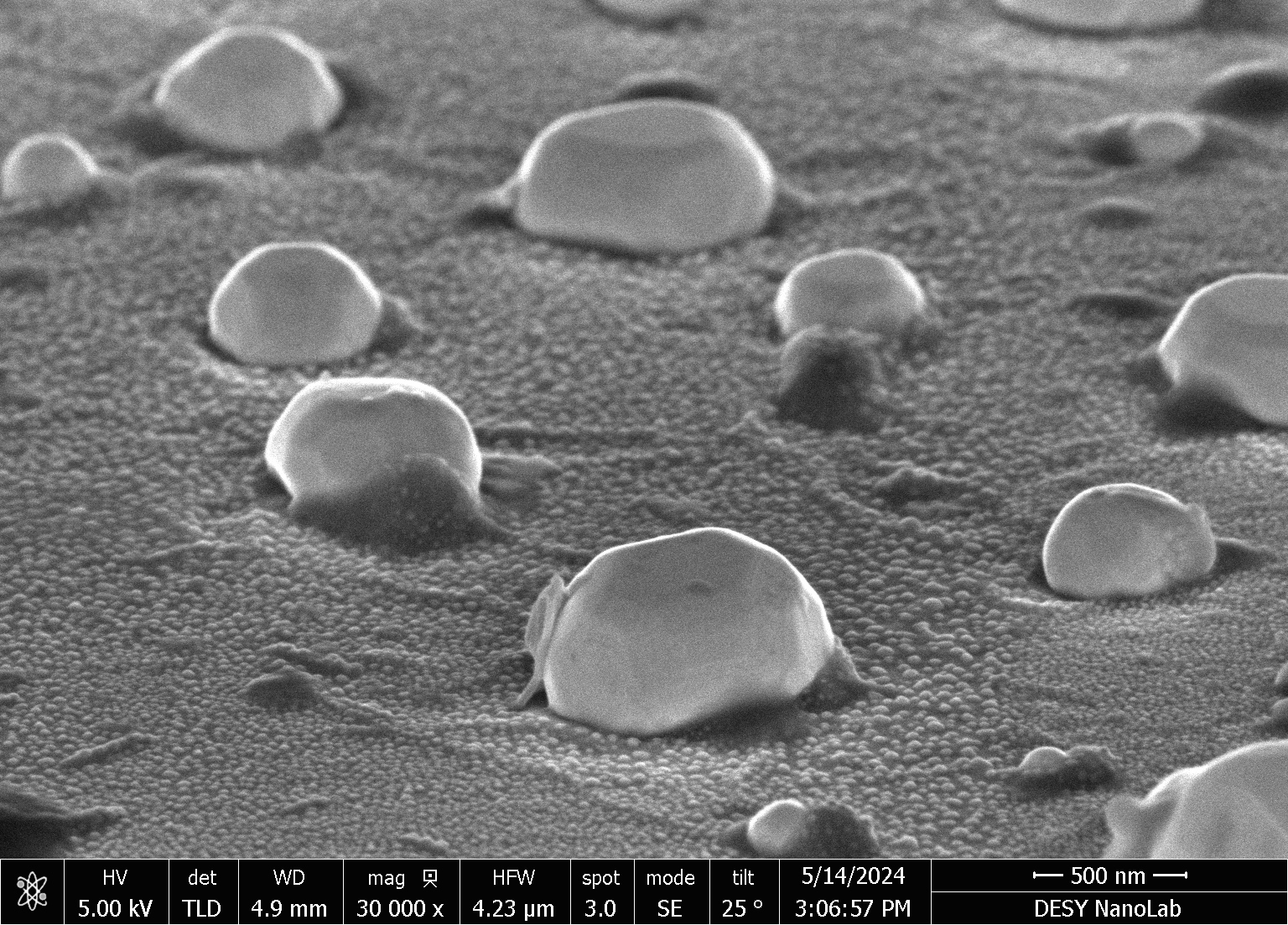
Using a combination of spectromicroscopy at BESSY II and microscopic analyses at DESY's NanoLab, a team has gained new insights into the chemical behaviour of nanocatalysts during catalysis. The nanoparticles consisted of a platinum core with a rhodium shell. This configuration allows a better understanding of structural changes in, for example, rhodium-platinum catalysts for emission control. The results show that under typical catalytic conditions, some of the rhodium in the shell can diffu...

Graphene is an extraordinary material – a sheet of interlocking carbon atoms just one atom thick that is stable and extremely conductive. This makes it useful in a range of areas, such as flexible electronic displays, highly precise sensors, powerful batteries, and efficient solar cells. A new study – led by the University of Göttingen, working together with colleagues from Braunschweig and Bremen in Germany, and Fribourg in Switzerland – now takes graphene’s potential to a whole new level.
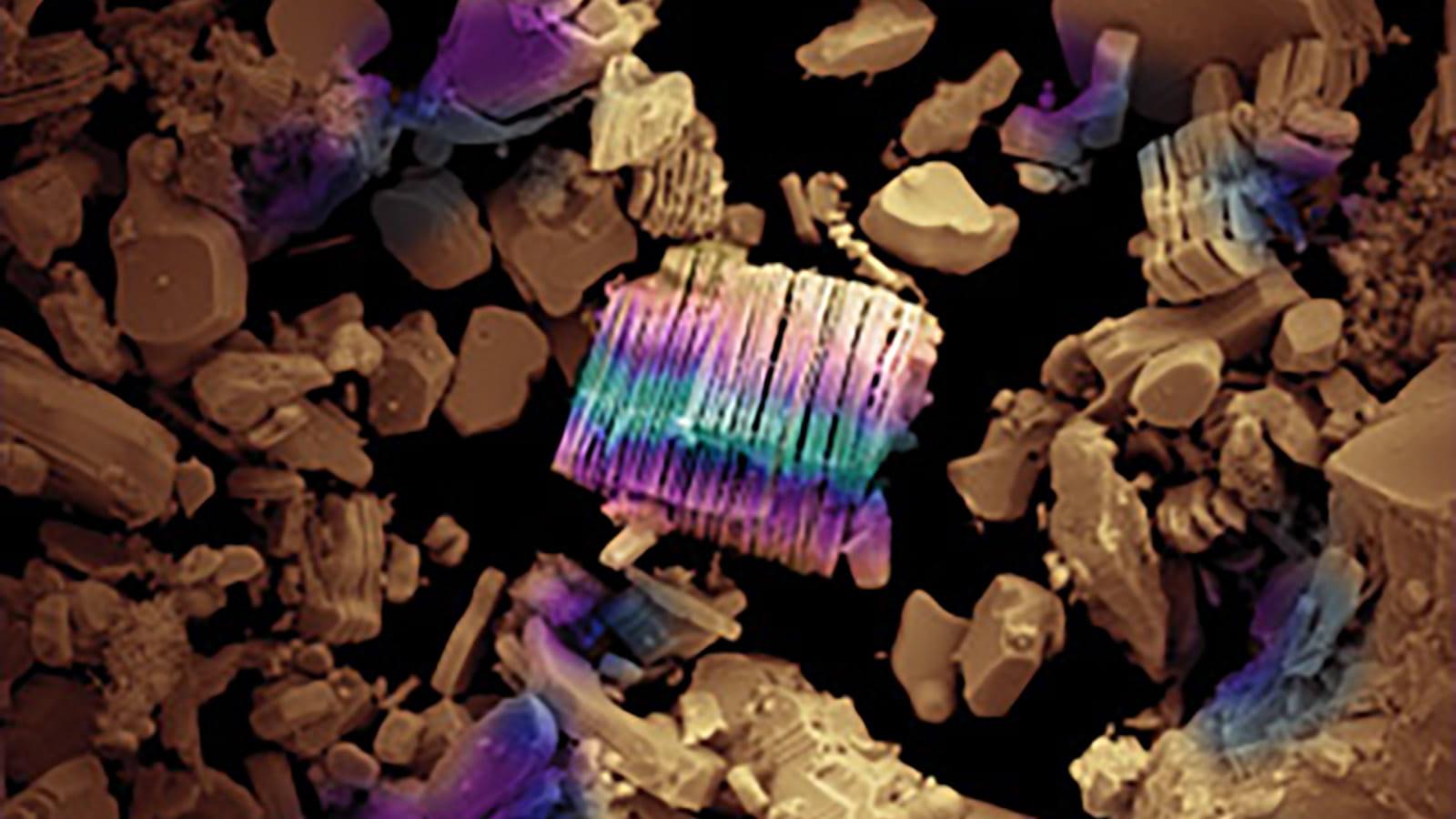
Since their discovery at Drexel University in 2011, MXenes — a family of nanomaterials with unique properties of durability, conductivity and filtration, among many others — has become the largest known and fastest growing family of two-dimensional nanomaterials, with more than 50 unique MXene materials discovered to date. Experimentally synthesizing them and testing the physical properties of each material has been the labor of tens of thousands of scientists from more than 100 countries.
