Flexcompute announced that PhotonForge 2.0, its photonic chip design platform, now connects to Siemens' Calibre software, the verification tool used by major foundries to develop and validate design rules. Engineers can run Calibre nmDRC and Calibre nmLVS checks with each foundry's own rule decks during design rather than at the foundry.
The company said a design that fails foundry checks means rework and can mean missing a scheduled fabrication run. Checking only at the end of a project surfaces errors when each fix is costly. With the connector, engineers and AI agents can check designs as they change them and move fewer files between tools.
The connector runs the foundry's rule deck as delivered, encrypted or not, and does not change it, which Flexcompute says protects the foundry's intellectual property. The PhotonForge 2.0 connector for Calibre is part of PhotonForge Enterprise. That offering also includes foundry PDKs with support and updates, version control and traceability, and on-premises deployment.
"Calibre is how the semiconductor industry signs off its designs, and photonics is no exception. Running Calibre on PhotonForge designs with the foundry's own rule decks helps photonic designers reach a clean tapeout sooner," said Michael White, Vice President, Product Management, Calibre Design Solutions, Siemens.
"As AI agents increasingly drive photonic chip design, we want to bring verification earlier in the design process and run it more often," said Prashanta Kharel, PhD, Head of Semiconductor Strategy at Flexcompute. "Checking with the foundry's decks as you or your agents design means less rework and a faster time to market for your photonic chips."
Source: Flexcompute news
Ibiden announced approximately ¥500 billion of electronics investment across FY2026 to FY2028 for high-performance IC package substrates, citing AI-server demand above its capacity.
Penn State and the Midwest Microelectronics Consortium opened new semiconductor research capabilities at the Millennium Science Complex, supported by $4.3 million in infrastructure funding and in-kind support through Penn State's MMEC membership.
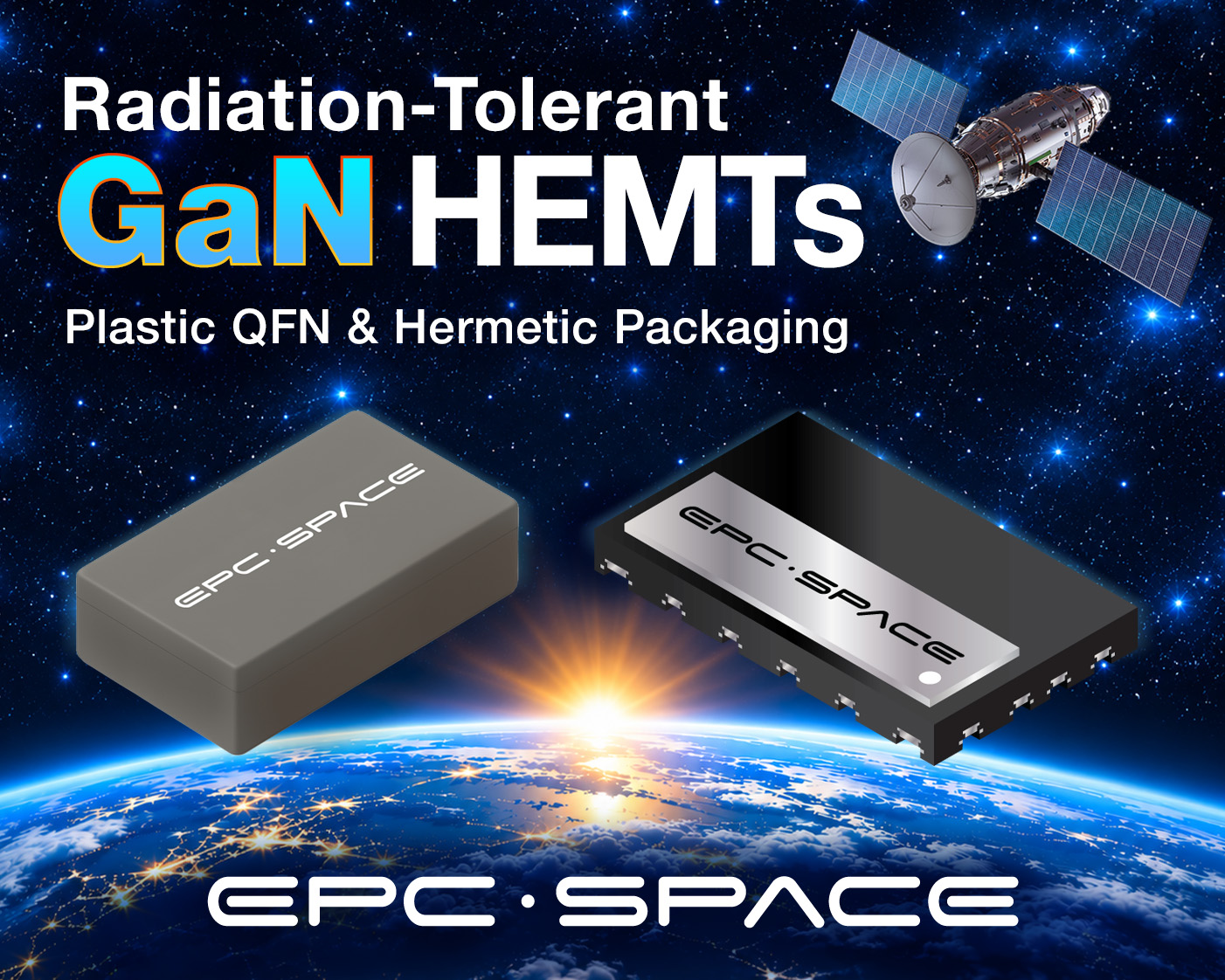
EPC Space has expanded its radiation-tolerant GaN HEMT portfolio with plastic QFN and hermetic packaging options. The 100 V to 200 V eGaN power transistors are intended for space electronics.
This week in nanotech
$18.9M raised
4 funding rounds · 31 deals tracked
New products
 Ti-WCMBN Nanomaterialia Featured
 DLS-1 Mass Spectrometer for Fusion Gas AnalysisHiden Analytical Featured
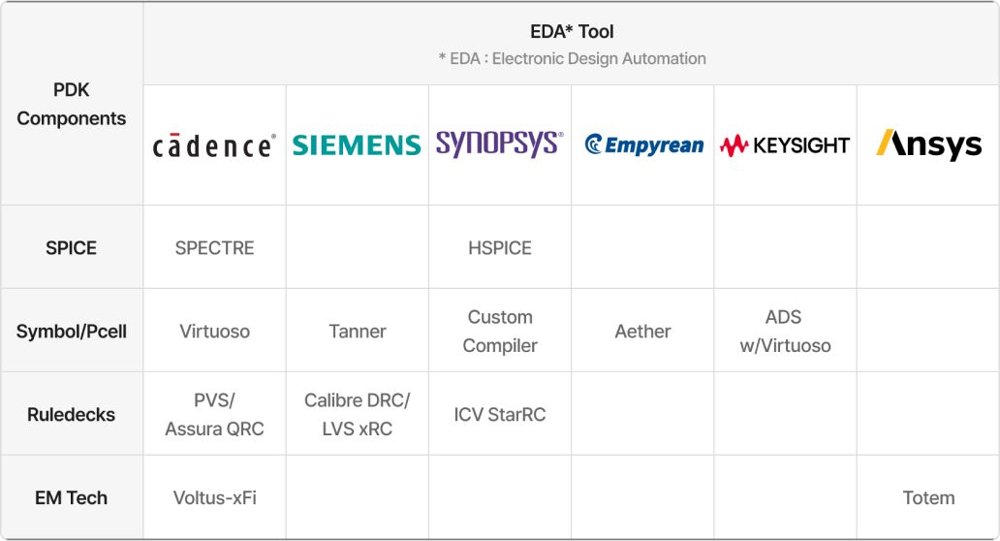 PDK (Process Design Kit)DB HiTek
Market insights
Last 30 days: Semiconductors & Electronics was the busiest vertical: 52 of 170 events (31%).
Money raised per month