Ibiden announced approximately ¥500 billion of electronics investment across FY2026 to FY2028 for high-performance IC package substrates. The plan, announced in February 2026, targets capacity for substrates used beneath logic dies and HBM in advanced AI packages.
Ibiden management separately said AI-server substrate demand exceeded its capacity. The company described customer advance-payment arrangements to support the investment. In its February investor Q&A, Ibiden warned of a future shortage of leading-edge semi-additive processing (SAP) capacity if substrate sizes and layer counts increase.
Package substrates are not passive circuit boards. Copper redistribution, dielectric build-up layers, microvias and a structural core connect chiplets to external power and I/O. In CoWoS, a high-density interposer connects logic and HBM while the package substrate provides another interconnect level. TSMC says its 5.5-reticle CoWoS platform is in production and it targets a 14-reticle version for 2028, accommodating approximately 10 large compute dies and 20 HBM stacks.
Ajinomoto confirms that ABF usage rises as substrates become larger and more multilayered. The company reported first-half FY2026 Functional Materials sales at 163% of the prior-year level and business profit at 181%, citing strong ABF demand and improving mix.
AT&S recorded €681.9 million of Q2 FY2026/27 group revenue versus €447.4 million a year earlier, up 52.4% as reported, with a 35.8% EBITDA margin. The company credits new-capacity ramping, including Kulim. Its results are company-wide, not a clean measure of AI substrate revenue.
Glass cores remain a longer-term option. Intel has highlighted glass's dimensional stability and reduced pattern distortion compared with organic cores. SKC disclosed an additional KRW 92.1 billion Absolics subscription in September, bringing its stated subscriptions to KRW 373.1 billion, while customer reliability evaluations and proof-of-concept work continued.
Source: Technology Strategy news
Penn State and the Midwest Microelectronics Consortium opened new semiconductor research capabilities at the Millennium Science Complex, supported by $4.3 million in infrastructure funding and in-kind support through Penn State's MMEC membership.
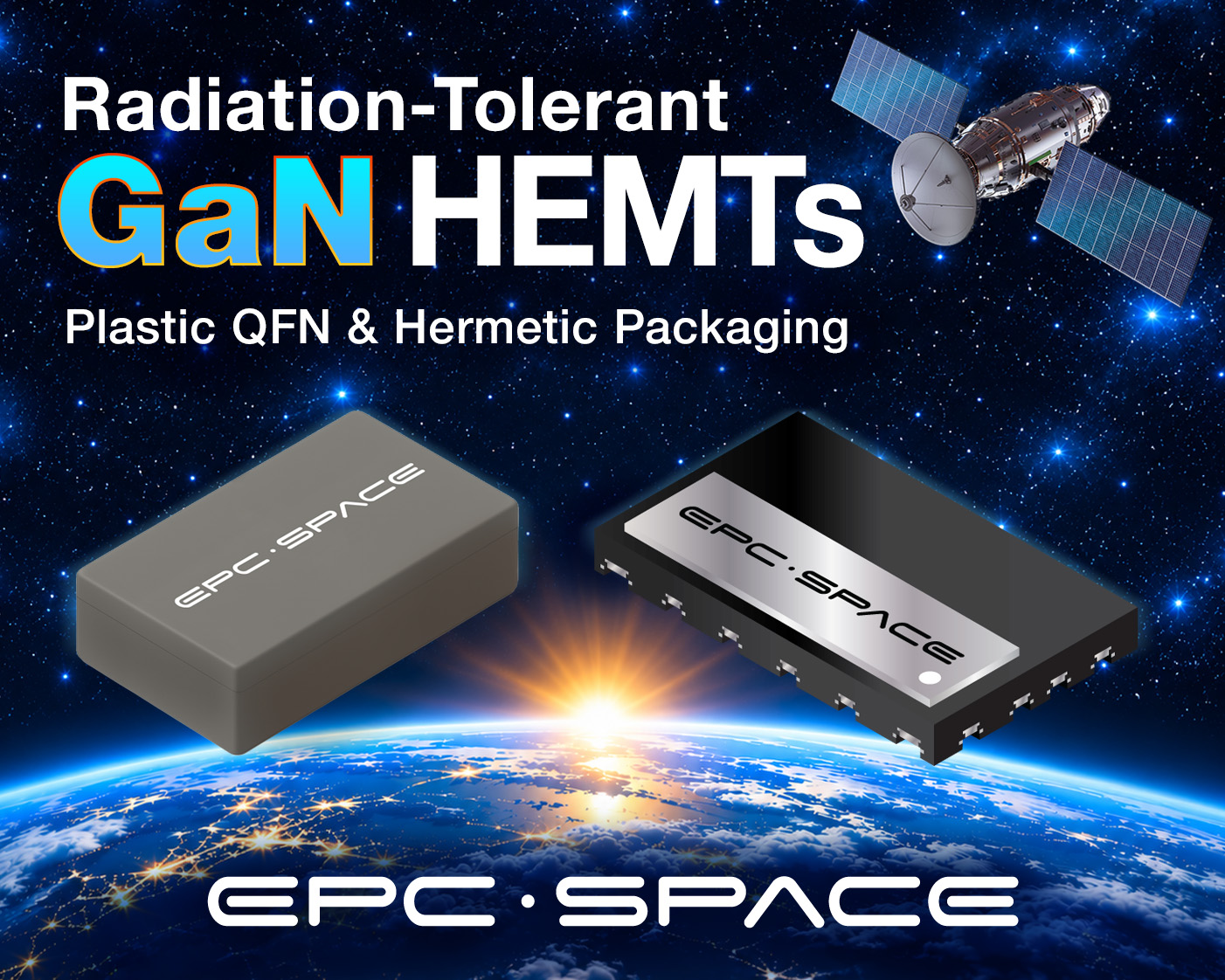
EPC Space has expanded its radiation-tolerant GaN HEMT portfolio with plastic QFN and hermetic packaging options. The 100 V to 200 V eGaN power transistors are intended for space electronics.

Flexcompute's PhotonForge 2.0 now connects to Siemens' Calibre software, letting photonic designers run Calibre nmDRC and nmLVS foundry checks with each foundry's own rule decks during design.
This week in nanotech
$18.9M raised
4 funding rounds · 31 deals tracked
New products
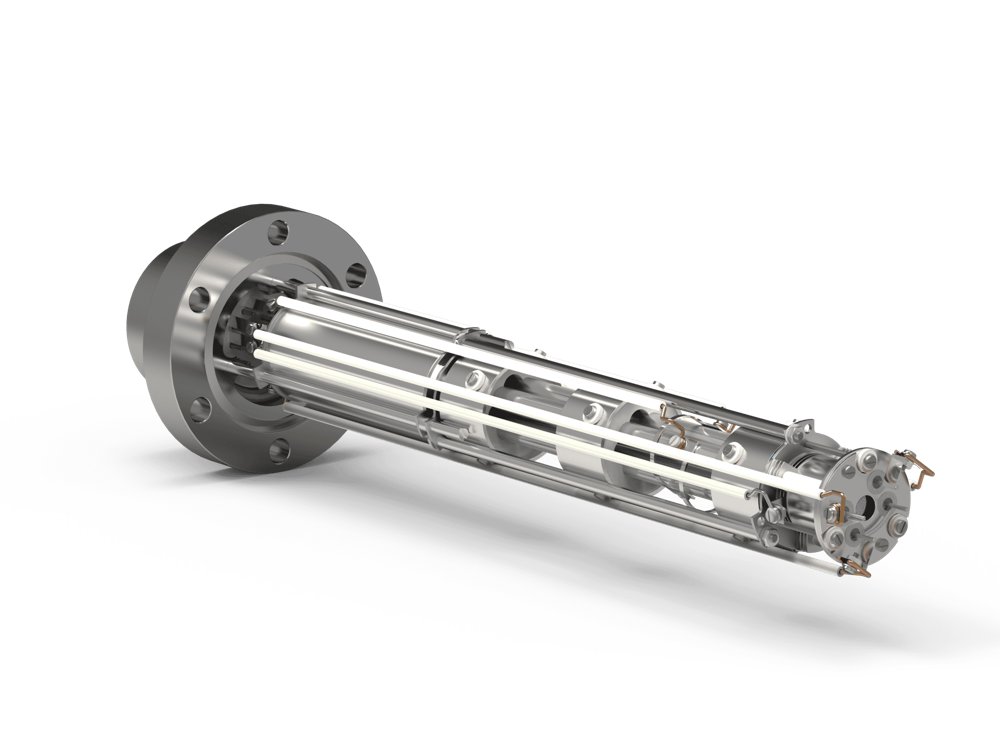 DLS-1 Mass Spectrometer for Fusion Gas AnalysisHiden Analytical Featured
 Orion Sputtering Deposition SystemsAJA International Featured
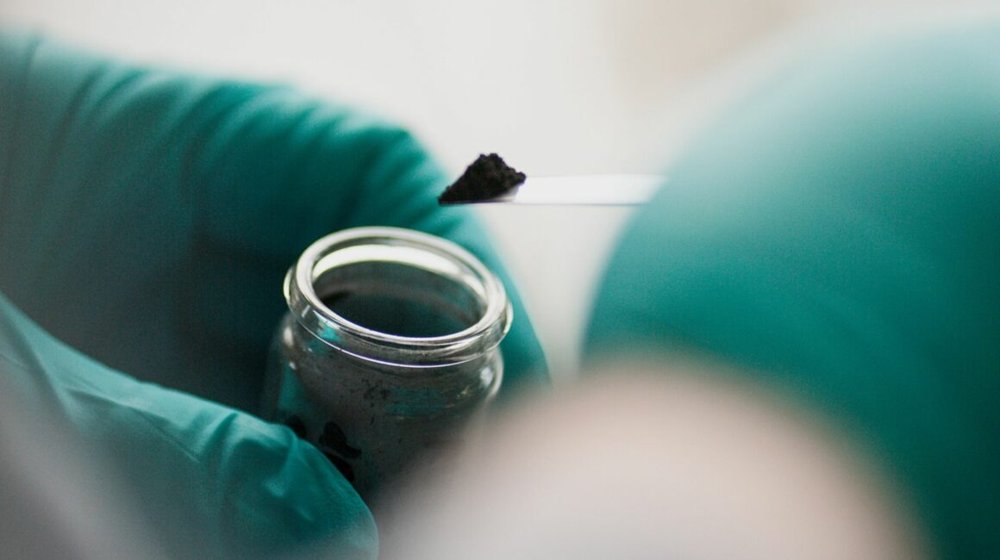 Talphene™ Graphene AdditivesTalga Group
Market insights
Last 30 days: Semiconductors & Electronics was the busiest vertical: 52 of 170 events (31%).
Money raised per month