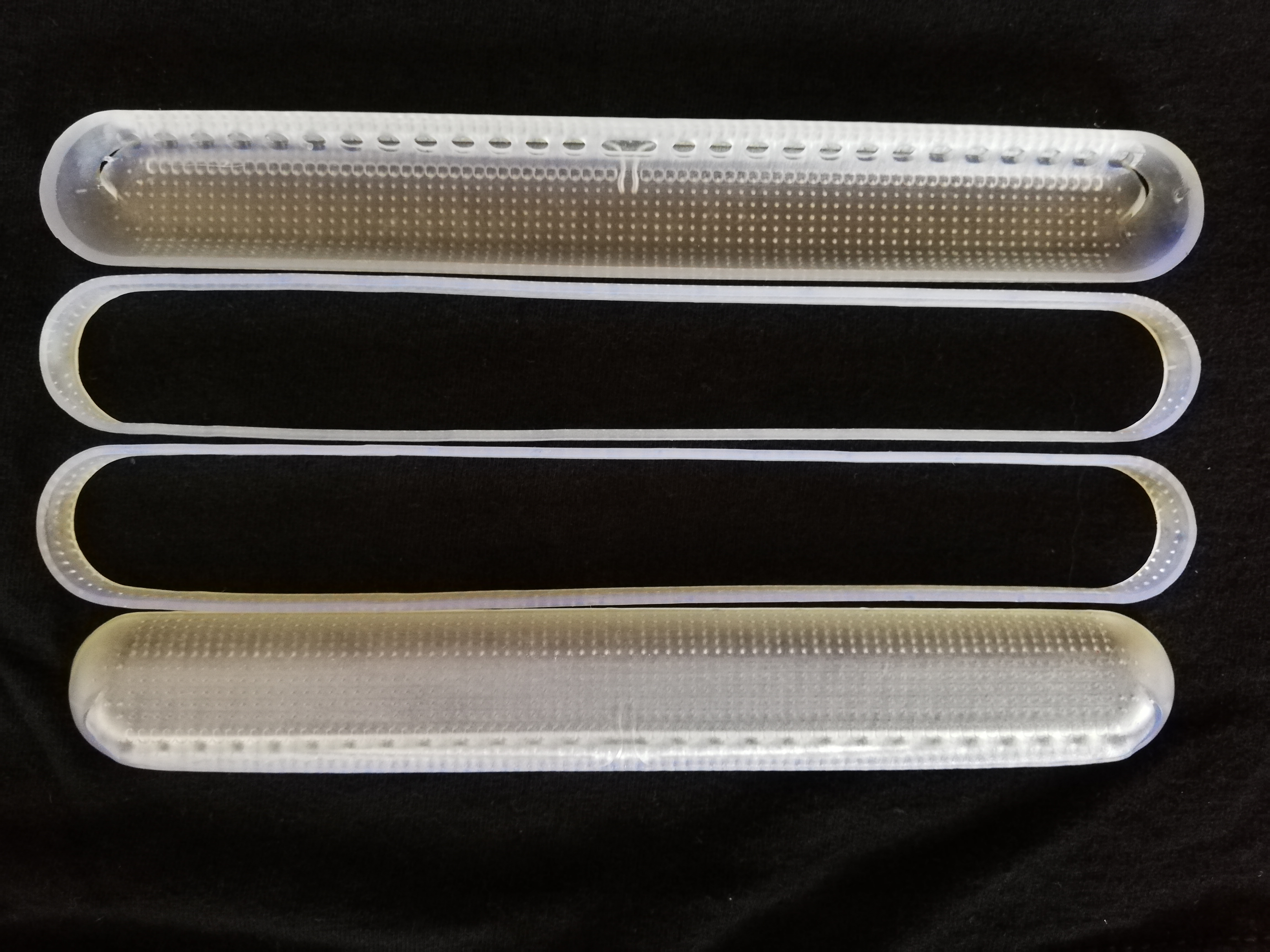
A new study has revealed how the glass-like shells of diatoms help these microscopic organisms perform photosynthesis in dim conditions. A better understanding of how these phytoplankton harvest and interact with light could lead to improved solar cells, sensing devices and optical components.
“The computational model and toolkit we developed could pave the way toward mass-manufacturable, sustainable optical devices and more efficient light harvesting tools that are based on diatom shells,” said research team member Santiago Bernal from McGill University in Canada. “This could be used for biomimetic devices for sensing, new telecommunications technologies or affordable ways to make clean energy.”
Diatoms are single-celled organisms found in most bodies of water. Their shells are covered in holes that respond to light differently depending on their size, spacing and configuration. In the journal Optical Materials Express, the researchers, led by McGill University’s David V. Plant and Mark Andrews, report the first optical study of an entire diatom shell. They analyzed how different sections of the shell, or frustule, respond to sunlight and how this response is connected to photosynthesis.
“Based on our findings, we estimate that the frustule can contribute a 9.83 percent boost to photosynthesis, especially during transitions from high to low sunlight,” said Yannick D'Mello, first author of the paper. “Our model is the first to explain the optical behavior of the entire frustule. So, it contributes to the hypothesis that the frustule enhances photosynthesis in diatoms.”
Combining microscopy and simulation
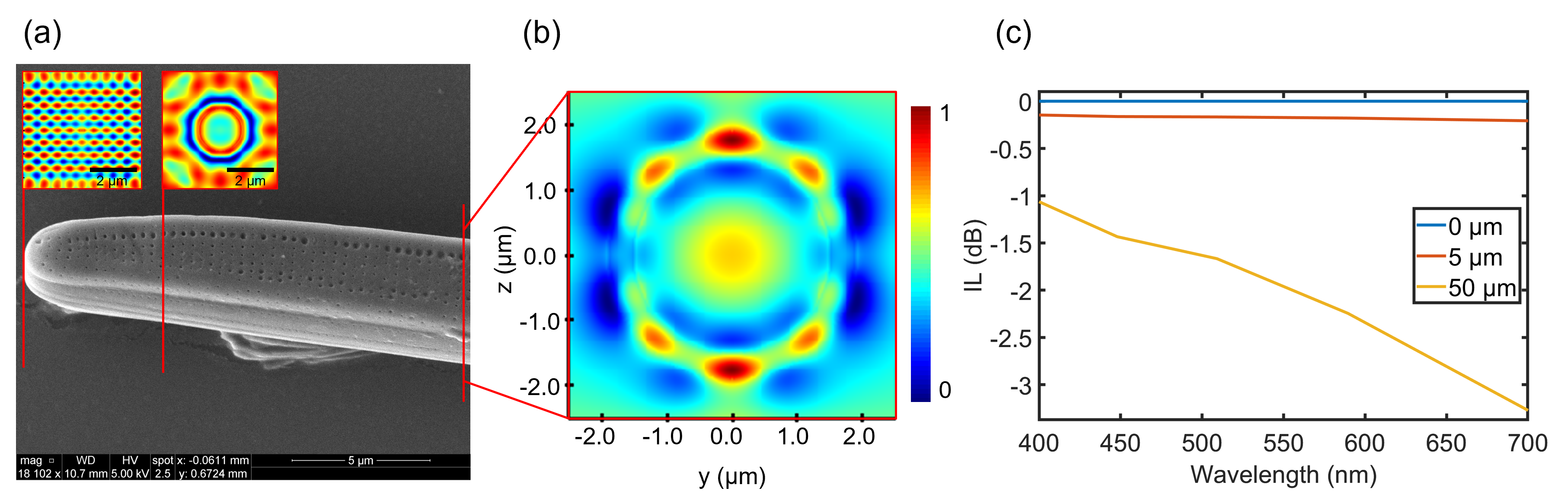
Diatoms have evolved for millions of years to survive in any aquatic environment. This includes their shell, which is composed of many regions that work together to harvest sunlight. To study the optical response of diatom frustules, the researchers combined computer optical simulations with several microscopy techniques.
The researchers began by imaging the architecture of the frustule using four high-resolution microscopy techniques: scanning near-field optical microscopy, atomic force microscopy, scanning electron microscopy and dark field microscopy. They then used these images to inform a series of models that the researchers built to analyze each part of the frustule via 3D simulations.
Using these simulations, the researchers examined how different colors of sunlight interacted with the structures and identified three primary solar harvesting mechanisms: capture, redistribution and retention. This approach allowed them to combine the different optical aspects of the frustule and show how they work together to aid photosynthesis.
“We used different simulations and microscopy techniques to examine each component separately,” said D'Mello. “We then used that data to build a study of how light interacts with the structure, from the moment it gets captured, to where it gets distributed after that, how long it is retained, and until the moment it likely gets absorbed by the cell.”
Boosting photosynthesis
The study revealed that the wavelengths with which the shell interacted coincided with those absorbed during photosynthesis, suggesting it could have evolved to help capture sunlight. The researchers also found that different regions of the frustule could redistribute light to be absorbed across the cell. This suggests that the shell evolved to maximize the exposure of the cell to ambient light. Their findings also indicated that the light circulates inside the frustule long enough to aid photosynthesis during periods of transition from high to low illumination.
The new frustule model could make it possible to cultivate diatom species that harvest light at different wavelengths, allowing them to be customized for specific applications. “These light harvesting mechanisms of diatoms could be used to improve the absorption of solar panels by allowing sunlight to be collected at more angles, therefore partially removing the dependency of the panel to directly face the sun,” said Bernal.
The researchers are now working to refine their model and plan to apply their new toolkit to study other species of diatoms. After that, they plan to extend the model beyond the light interactions within a single frustule to examine behaviors between multiple frustules.
This work commemorates Dan Petrescu, who passed away last year. The research would not have been possible without his insights, assistance and dedication.
Reference
Solar energy harvesting mechanisms of the frustules of Nitzschia filiformis diatoms
Yannick D’Mello, Santiago Bernal, Dan Petrescu, James Skoric, Mark Andrews, and David V. Plant
https://opg.optica.org/ome/fulltext.cfm?uri=ome-12-12-4665&id=521854
ONI recorded 177 scientific publications using its technology in 2026 to date, surpassing its previous annual high. Publications rose 72% in 2025, from 82 to 141.
Nicoya Lifesciences reported that BALANCE project partners demonstrated autonomous bioreactor control and integrated its Alto Digital SPR platform for automated antibody titer measurement from crude bioreactor samples.
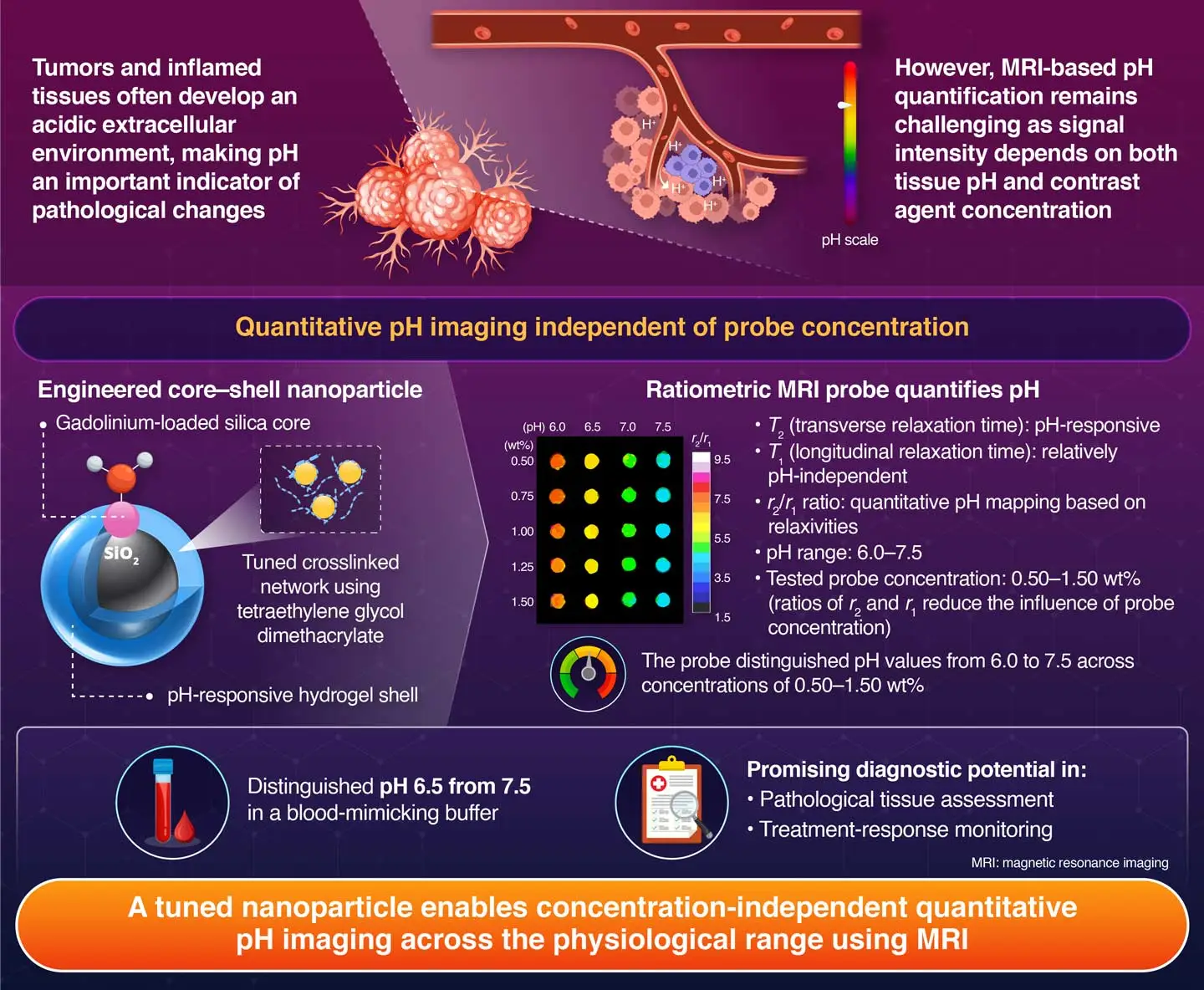
Researchers have built a core-shell nanoparticle MRI contrast agent that reports tissue pH independently of probe concentration. A gadolinium-loaded silica core sits inside a crosslinked polymer hydrogel shell tuned with tetraethylene glycol dimethacrylate; as acidity rises the shell shrinks, shifting transverse relaxivity while longitudinal relaxivity holds steady. Ratiometric imaging of the r2/r1 ratio resolved pH 6.0 to 7.5 across agent concentrations and in serum.
This week in nanotech
22 deals tracked
New products
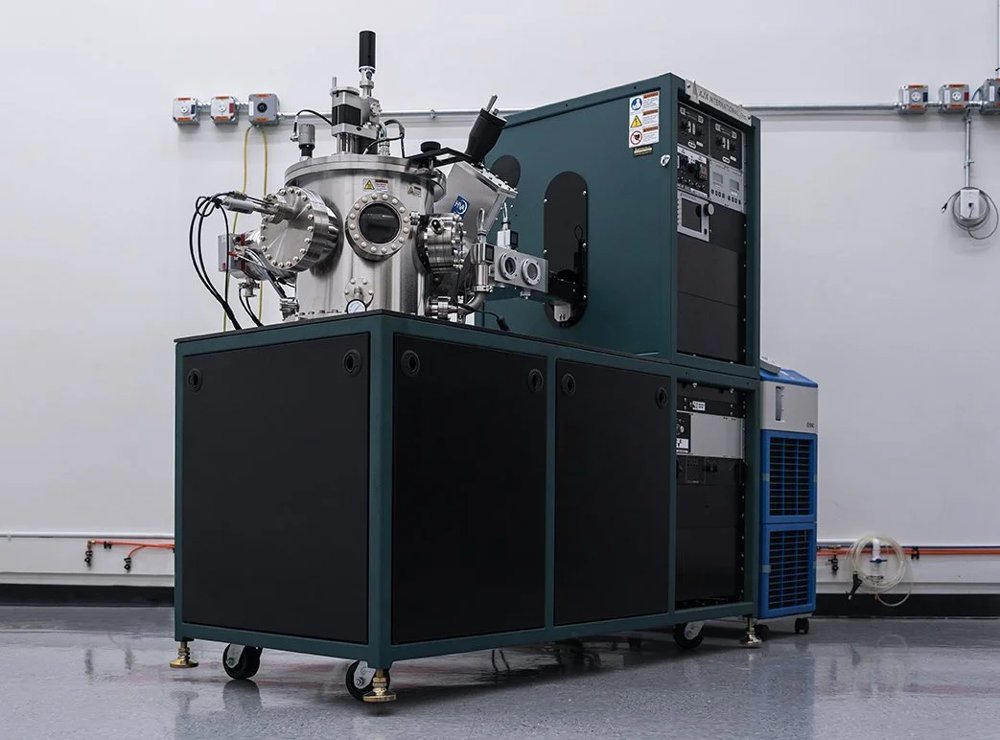 Orion Sputtering Deposition SystemsAJA International Featured
 DLS-1 Mass Spectrometer for Fusion Gas AnalysisHiden Analytical Featured
 NanoFlow® S1-20Levidian
Market insights
Last 30 days: Semiconductors & Electronics was the busiest vertical: 54 of 170 events (32%).
Money raised per month