16 October 2026. Google researchers reduced errors in a quantum computing resource called magic states by about 40-fold, according to a Google Quantum AI blog post written by Emma Rosenfeld, research scientist, and Craig Gidney, quantum software engineer. The experiment was published in Science.
The team reported producing T-states with a logical fidelity of 99.99%. The method, called magic-state cultivation, was demonstrated on Google's Willow processor, which contains 105 superconducting qubits arranged in a square lattice, according to the paper. The 40-fold improvement compares cultivated states with states prepared without cultivation.
Gidney, Noah Shutty and Cody Jones developed the cultivation approach in 2024, building on an idea from earlier research, according to the post. The method applies checks designed to detect faulty preparation attempts. Failed attempts are discarded and passing attempts provide the cultivated states. The researchers used reinforcement learning as a final calibration step. Training ran for about four hours immediately before data collection, according to the supplement.
The researchers also transferred cultivated states from a distance-3 color code to a distance-5 surface code, a process they call grafting. The supplementary material describes the distance-5 grafting experiment as involving 54 qubits. The observed logical error rate was about seven times higher than predicted by simulations, according to the supplement, and the researchers identified leakage as the likely main cause.
According to Google's post, some estimates suggest that making magic states could occupy as much as 95% of a quantum computer's capacity. The researchers expect that translating the advance into useful computations will require larger-scale tests and better methods for storing and using the prepared states.
Source: The Quantum Insider
Riverlane and NVIDIA are collaborating on AI and NVIDIA accelerated computing for quantum error correction. Using the Local Clustering Decoder, a surface code training cycle that took three minutes on a single-core CPU now takes 2.8 seconds.
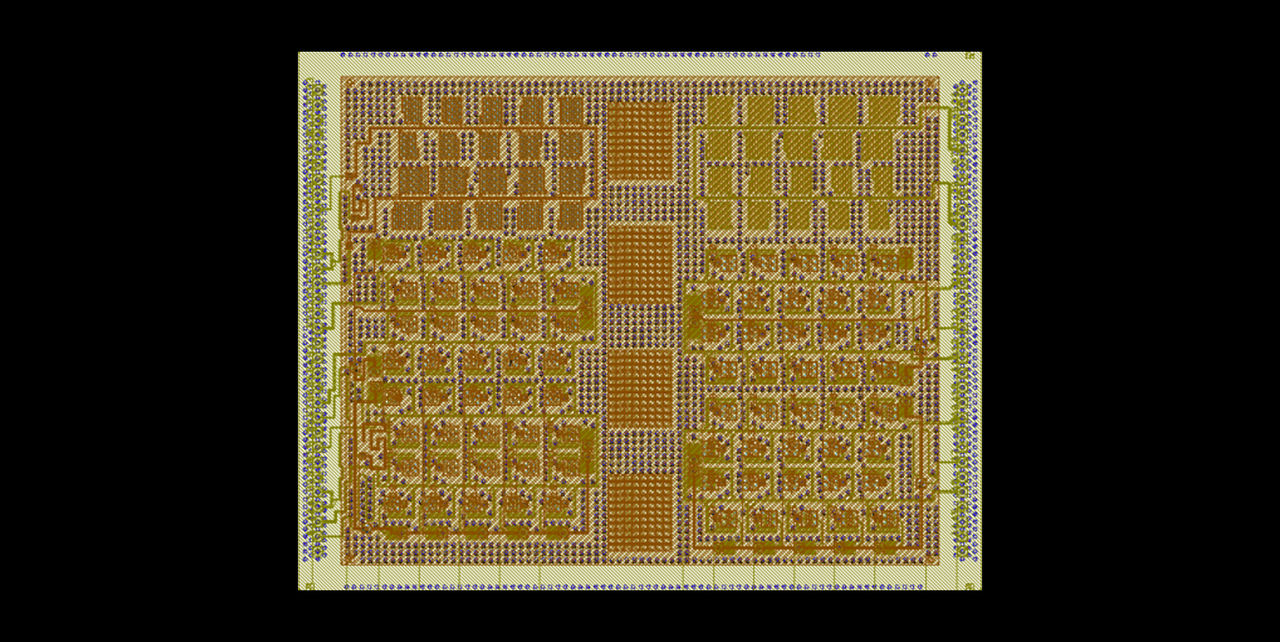
Anderon announced its first Superconducting Quantum Process Design Kit (PDK), which supports its full portfolio of 300mm wafer offerings and includes a reference design for baseline coherence validation.
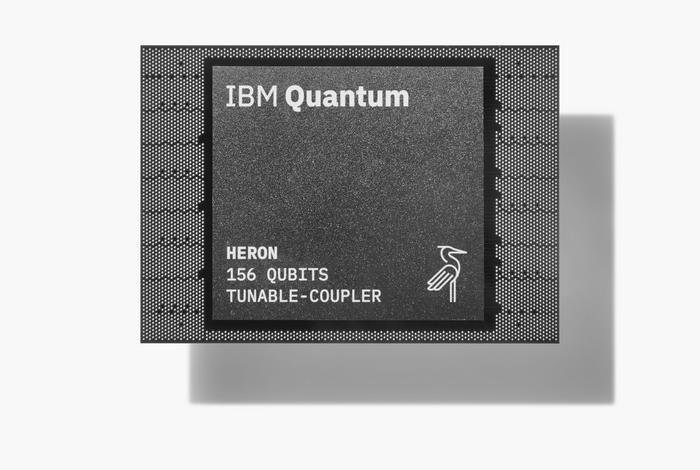
Researchers from Rutgers, IBM and collaborators demonstrated real-time quantum feedback control on a 156-qubit Heron processor, using up to 100 connected qubits. By alternately scrambling information and resetting qubits nearly 5,000 times each, they steered the system from chaos to an ordered state, revealing a sharp phase transition.