Piscataway, 6 January 2021. HORIBA Scientific announced its new CiCi-Raman engine designed for high volume OEM industrial customers. The CiCi-Raman-785 is a high performance spectrometer featuring an aberration-corrected concave holographic grating configured with HORIBA Scientific's deep-cooled Syncerity CCD camera with a new VIS-NIR detector. It also includes a round-to-slit fiber converter for high efficiency collection from a Raman probe.
The improved deep cooled camera features a new CCD sensor with QE 90% at 700nm, 86% at 800nm, 70% at 900nm and 36% at 1000nm. The sensor has 2048 pixels and 1mm collection height. The camera is cooled at -50°C or lower as needed. Most existing OEM Raman modules feature limited cooling capability from 0°C to -15°C.
The CiCi-Raman-785 is fiber-coupled for integration in Raman Process solutions and offers several configurations. A 532 nm version is also available, optimized for Semiconductor process applications with the same deep-cooled camera and its new high Quantum Efficiency sensor. The system offers an ultra-stable opto-mechanical platform, so a one-time long-term factory wavelength calibration is sufficient.
The new Raman system is intended for OEM applications in Process Control, Biomedical and Life Sciences, Pharmaceuticals and Cosmetics, Forensics and Security, Semiconductors and Foods and Beverage Safety.
"As new approaches to pharmaceutical manufacturing, bioprocessing and semiconductor Fabs evolve, Raman spectroscopy has increasingly become integrated into process analytical technology," said Nicolas Vezard, Vice President of HORIBA's OEM Gratings, Spectrometers and Scientific Cameras Division. "HORIBA's long-standing expertise in Raman has enabled us to develop and design instrumentation that can seamlessly address these requirements, yet remain competitively priced."
CiCi-Raman-785 is currently available.
Source: HORIBA Scientific news
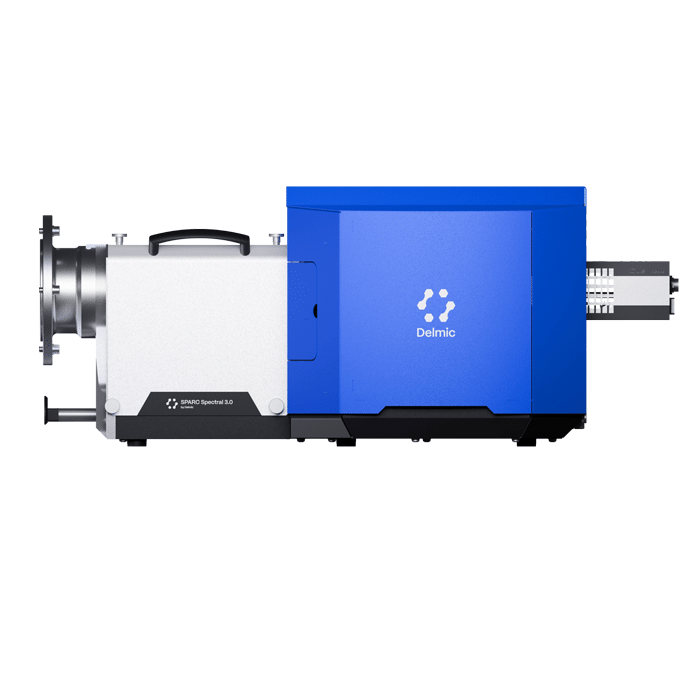
Delmic launched SPARC 3.0, its latest cathodoluminescence platform for SEM, at IMC21 in Liverpool. The system supports up to eight imaging modes and spectral coverage from 185 nm to 1700 nm.
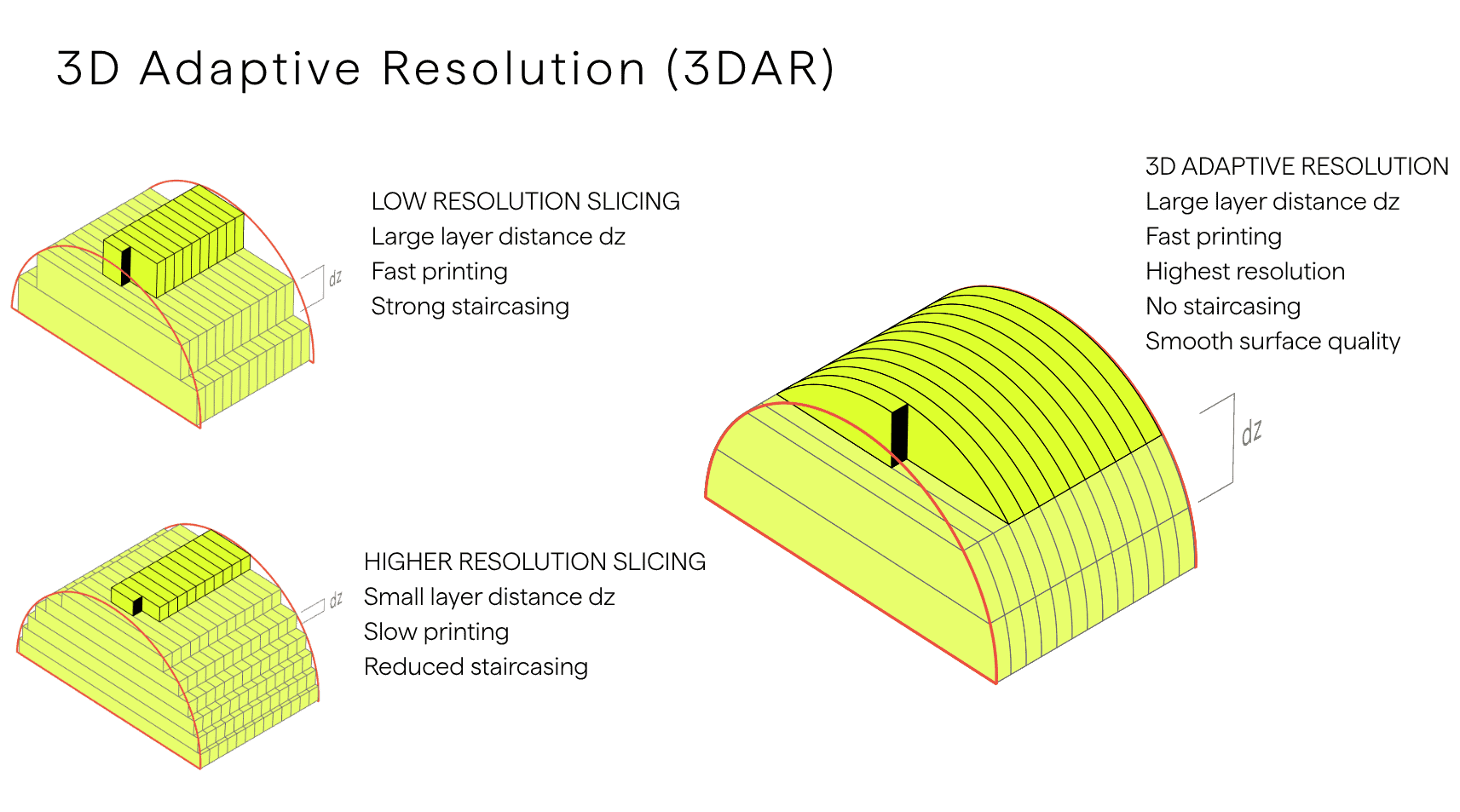
UpNano GmbH has developed 3D Adaptive Resolution (3DAR) technology, which enables dynamic control of the printing voxel in all three spatial dimensions during 2-photon polymerisation 3D printing. The first printers capable of 3DAR have been purchased by an Asian company.
Skyworks Solutions Inc has completed its combination with Qorvo Inc, creating a US-based provider of RF, power management, and analog and mixed-signal semiconductor solutions. Qorvo shareholders receive $32.50 in cash and 0.960 of a Skyworks share per Qorvo share.