INSERM (Institut national de la santé et de la recherche médicale)
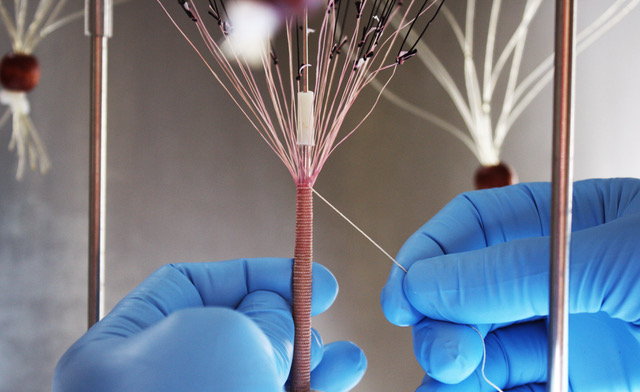
What if we could replace a patient's damaged blood vessels with brand new ones produced in a laboratory? This is the challenge set by Inserm researcher Nicolas L'Heureux, who is working on the human extracellular matrix - the structural support of human tissues that is found around practically all of the body's cells.
In a study published in Acta Biomaterialia, L'Heureux and his colleagues at the Tissue Bioengineering unit (Inserm/Université de Bordeaux) describe how they have cultivated human cells in the laboratory to obtain extracellular matrix deposits high in collagen - a structural protein that constitutes the mechanical scaffold of the human extracellular matrix. "We have obtained thin but highly robust extracellular matrix sheets that can be used as a construction material to replace blood vessels", L'Heureux explains.
The researchers then cut these sheets to form yarn - a bit like that used to make fabric for clothing. "The resulting yarn can be woven, knitted or braided into various forms. Our main objective is to use this yarn to make assemblies which can replace the damaged blood vessels", adds L'Heureux.
Made entirely from biological material, these blood vessels would also have the advantage of being well-tolerated by all patients. Given that collagen does not vary from individual to individual, it is not expected that the body will consider these vessels as foreign bodies that need to be rejected.
The researchers would now like to refine their techniques used to produce these "human textiles" before moving on to animal testing, in order to validate this last hypothesis. If these are conclusive, this could lead to clinical trials.
Human textiles: A cell-synthesized yarn as a truly “bio” material for tissue engineering applications
Laure Magnan, Gaëlle Labrunie, Mathilde Fénelon, Nathalie Dusserre, Marie-Pierre Foulc, Mickaël Lafourcade, Isabelle Svahn, Etienne Gontier, Jaime H. Vélez V., Todd N. McAllister, Nicolas L'Heureux
Acta Biomaterialia, 2020
DOI: 10.1016/j.actbio.2020.01.037
Contact information:
Nicolas L’Heureux
INSERM researcher. Director & Chief Scientific Officer at Cytograft Tissue Engineering, Inc
nicolas.lheureux@inserm.fr
Phone: +33 (0)5 57 57 17 23
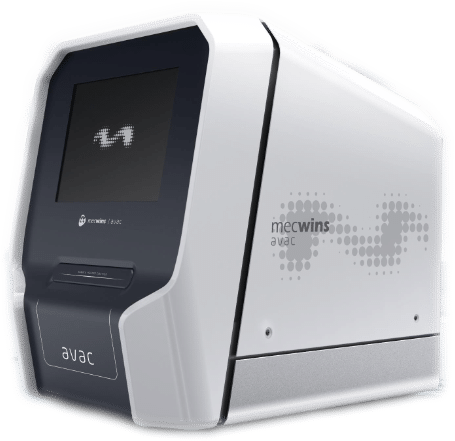
Mecwins has described its AVAC technology, which labels target proteins with plasmonic nanoparticles and counts each one individually by dark-field micro-spectrophotometry. The AVAC Analyzer reaches femtogram-range sensitivity.
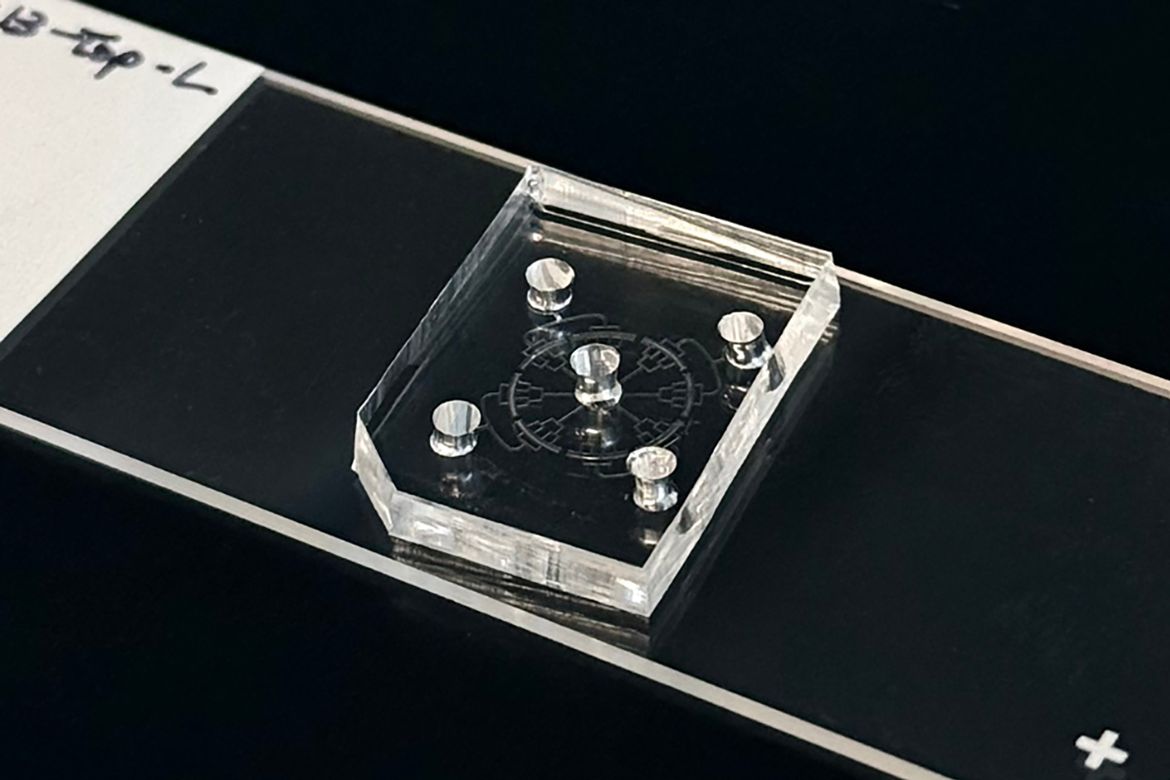
Hesperos has received an SBIR Phase II grant (R44AI197758) from NIAID to expand its Malaria-on-a-Chip platform, adding support for viable, replicating parasite strains and predictive PK/PD modeling.
UCLA researchers have shown that briefly squeezing a cell's nucleus for milliseconds can loosen tightly packed DNA and make CRISPR activation far more effective at reprogramming cell identity. After mapping which genomic regions opened, they aimed guide RNAs at those sites, raising the share of mouse skin cells converted to neurons from about 3% to 10%. Adding a priming step that activated Oct4 pushed conversion to roughly 40%.
This week in nanotech
$281.1M raised
6 funding rounds · 36 deals tracked
New products
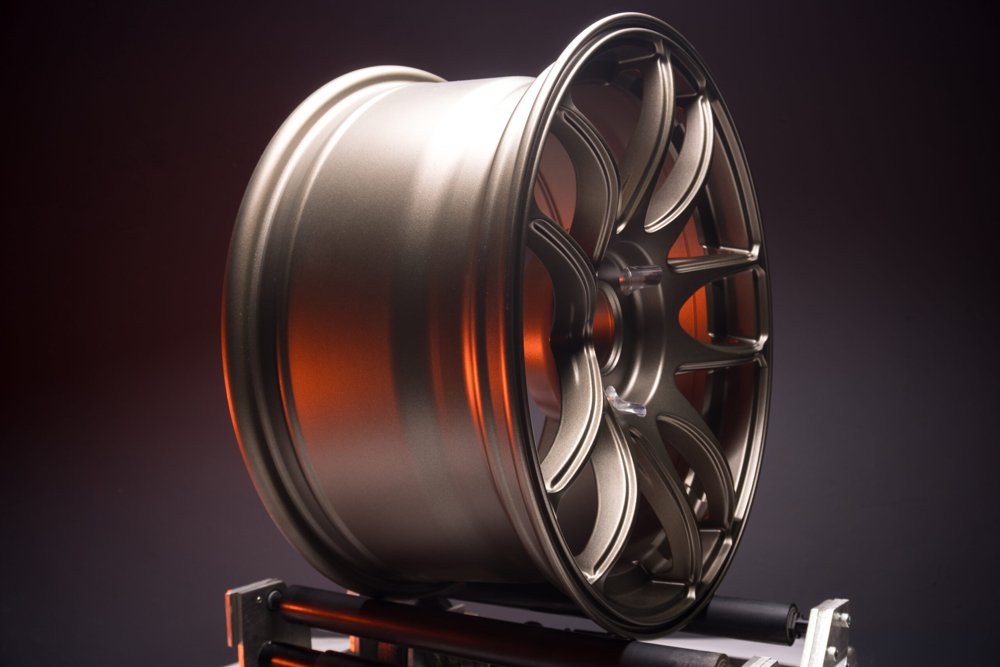 Ti-WCMBN Nanomaterialia Featured
 Nion-compatible In Situ STEM Holders for Electrical BiasingHummingbird Scientific Featured
 Discover Mapping SuiteOnto Innovation
Market insights
Last 30 days: Quantum Technologies drew the most money: $3.17B.
Money raised per month
Behind the deal
Who led Institut de Microelectronica de Barcelona (IMB-CNM, CSIC)’s $185.7M Grant?
See the investors with Insights Pro →