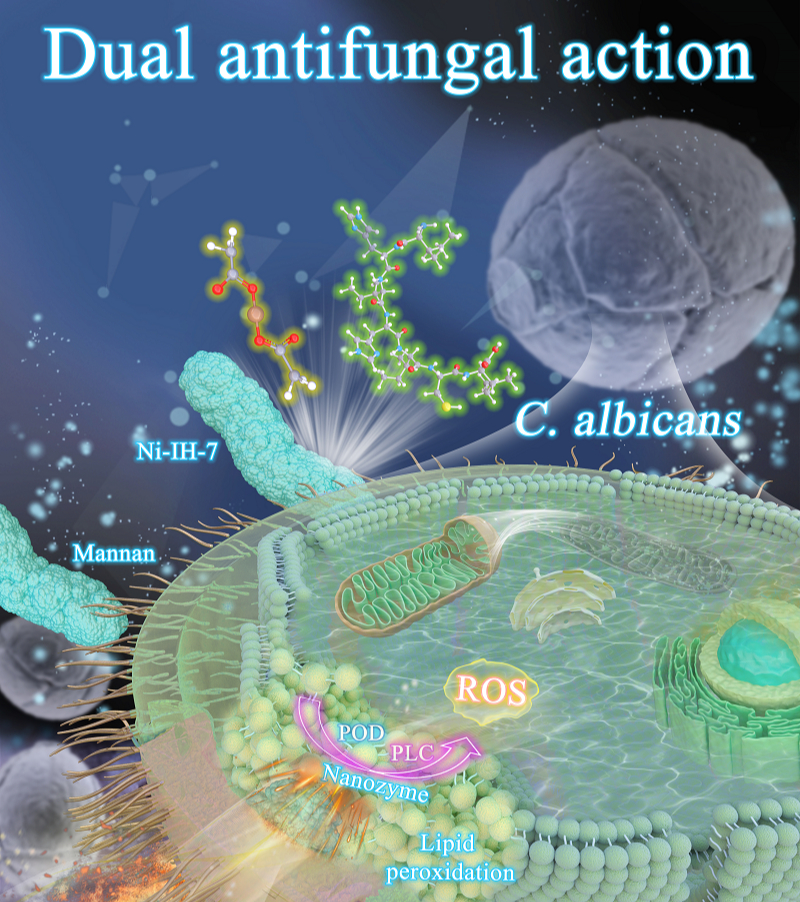
A research team led by Prof. GAO Lizeng from the Institute of Biophysics of the Chinese Academy of Sciences proposed a bactericidal mechanism based on nanozymes that simulate antimicrobial peptides (AMPs) and antimicrobial enzymes (AMEs) according to biomimicry principles, and designed a dual-functional high-efficiency antimicrobial nanozyme.
This work was published in Nature Communications on July 5.
Starting from the rational design of multi-peptide nanozymes, based on the key amino acids in the active sites of AMPs and AMEs, including histidine and cysteine, and combining peptide self-assembly and metal coordination principles, using various computational methods such as Alphafold2, molecular dynamics simulation, and density functional theory, the researchers optimized and selected a group of 7-peptide sequences IHIHICI.
The self-assembled nanozyme (AMPANs) possesses both AMP and AME functions, demonstrating specific and efficient fungicidal effects.
The researchers selected Ni(Ac)2-assembled peptide nanotubes (Ni-IH-7) as the research object. Enzymatic studies showed that Ni-IH-7 has phospholipase C-like activity and peroxidase-like activity.
Moreover, due to the formation of a stable secondary structure nanotube, the Ni-IH-7 peptide nanozyme exhibited good tolerance to various hydrolytic enzymes.
Furthermore, they found that the Ni-IH-7 peptide nanozyme could selectively bind to the mannoprotein on the surface of Candida albicans and induce lipid peroxidation leading to iron death and hydrolysis of glycerophospholipids, thus rapidly killing the fungi.
In vitro colony smear plate experiments on vaginal discharge from patients with vaginitis confirmed that the Ni-IH-7 peptide nanozyme had good antifungal effects and the bactericidal performance was not interfered by other substances in the secretions.
This study is the first to propose the strategy of combining antimicrobial peptides with nanozymes, designing and synthesizing peptide nanozymes from scratch through computer simulation, and systematically studying their specific mechanism of killing fungi, providing insights for the development of novel antimicrobial drugs.
Reference
Stable peptide-assembled nanozyme mimicking dual antifungal actions
Ye Yuan, Lei Chen, Kexu Song, Miaomiao Cheng, Ling Fang, Lingfei Kong, Lanlan Yu, Ruonan Wang, Zhendong Fu, Minmin Sun, Qian Wang, Chengjun Cui, Haojue Wang, Jiuyang He, Xiaonan Wang, Yuan Liu, Bing Jiang, Jing Jiang, Chenxuan Wang, Xiyun Yan, Xinzheng Zhang & Lizeng Gao

Researchers at Ruhr University Bochum have shown how zinc inhibits [FeFe]-hydrogenases, enzymes that produce hydrogen, by binding two surface histidines near a known proton transport pathway. One histidine acts as a molecular pendulum, receiving a proton at the enzyme surface and delivering it inward. Replacing it slowed hydrogen production; replacing the other left the enzyme active but zinc insensitive.
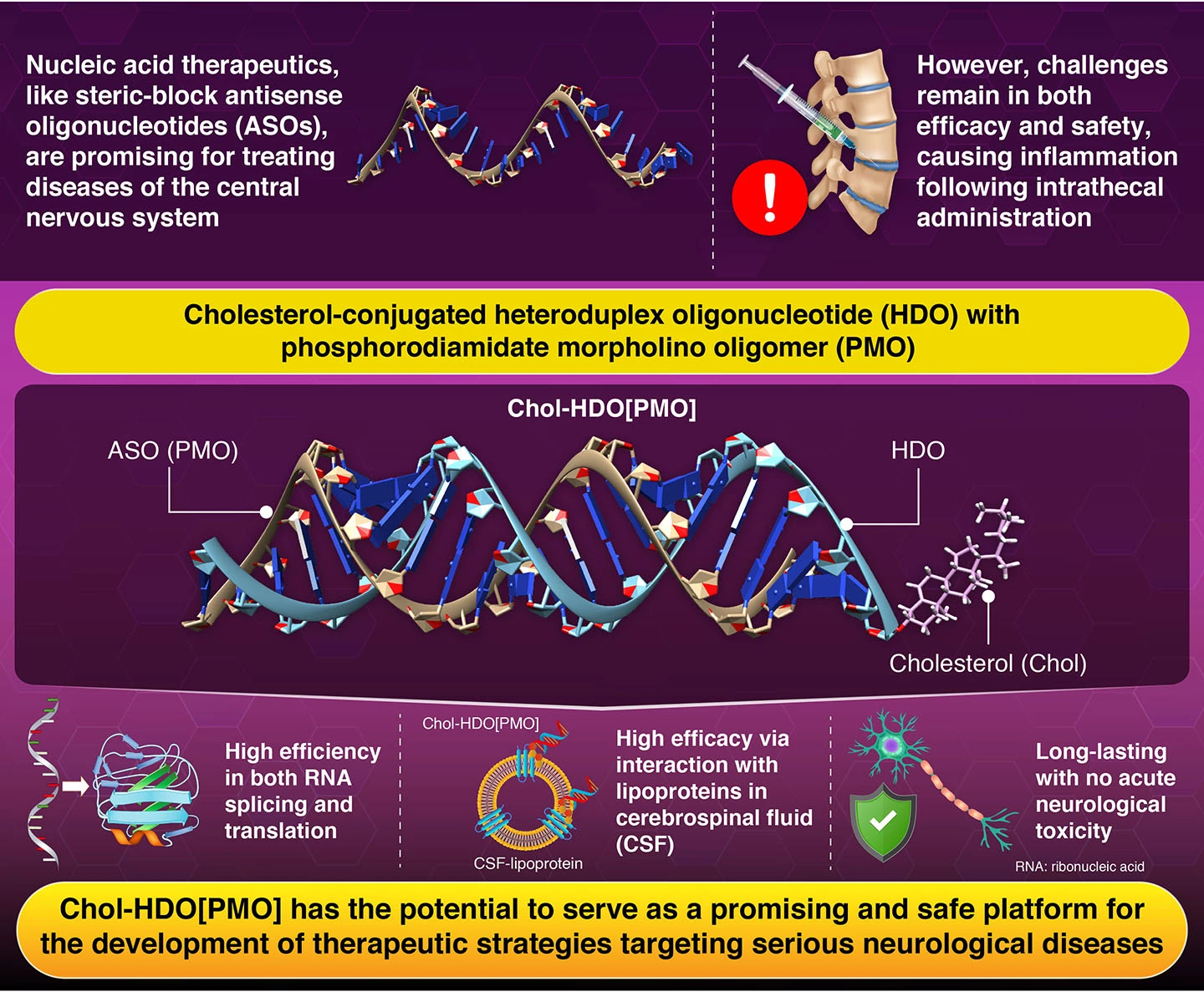
Researchers at the Institute of Science Tokyo have developed Chol-HDO[PMO], a cholesterol-conjugated heteroduplex oligonucleotide pairing a phosphorodiamidate morpholino oligomer with complementary RNA. Delivered into cerebrospinal fluid, it silenced or modulated target genes in mice with up to 16-fold greater potency than conventional antisense designs, and the effect was long lasting. It avoided acute neurotoxicity, weight loss and immune reactions.
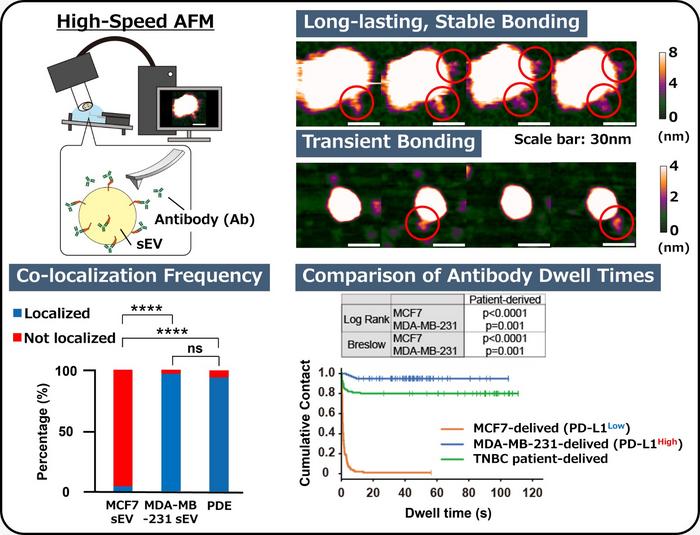
High-speed atomic force microscopy has revealed that the amount of PD-L1 on cancer-derived extracellular vesicles does not indicate how accessible the protein is to antibodies. Researchers at Kanazawa University imaged individual vesicles from two breast cancer cell lines in liquid, finding that over 80 percent of high-PD-L1 vesicles held antibodies persistently, while most low-PD-L1 vesicles showed no stable binding.
This week in nanotech
$24.4M raised
5 funding rounds · 33 deals tracked
New products
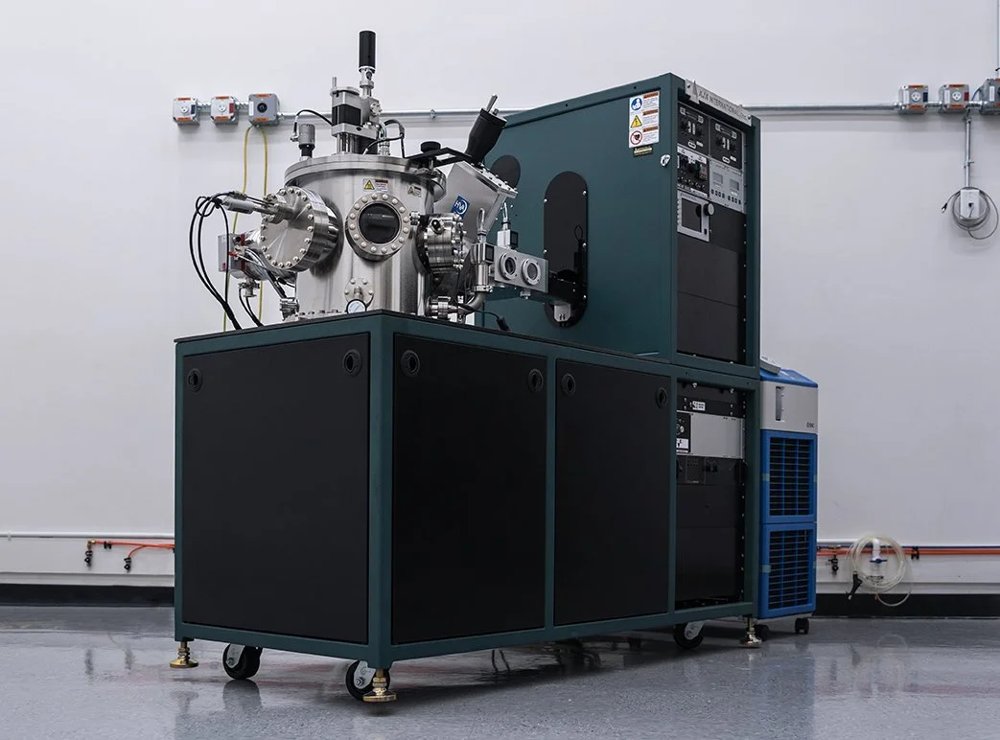 Orion Sputtering Deposition SystemsAJA International Featured
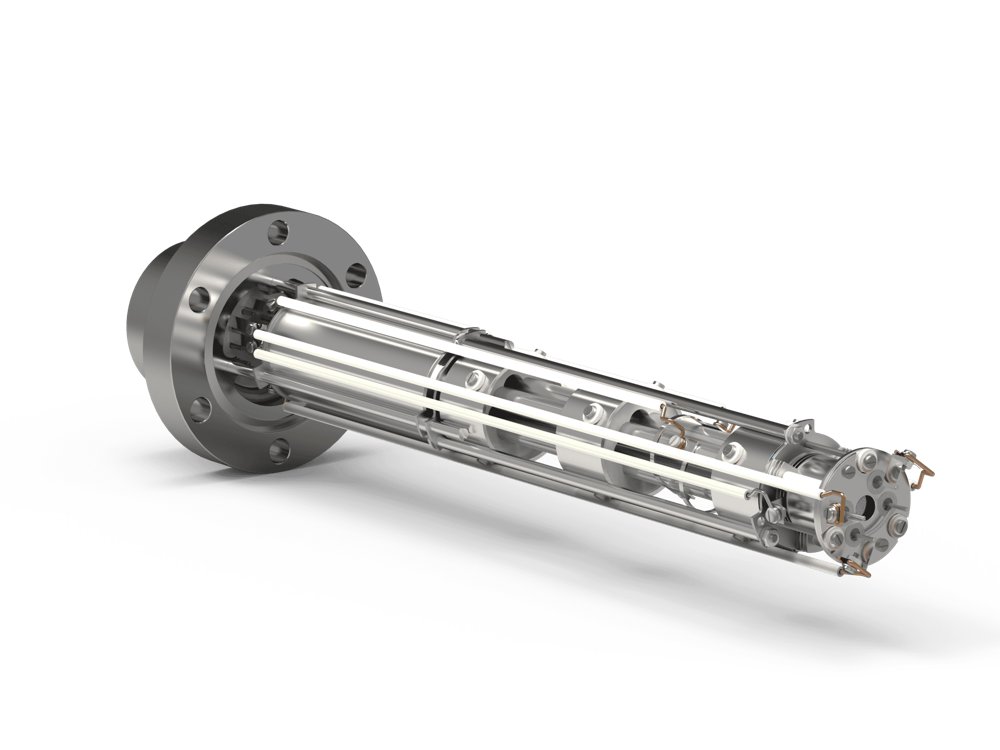 DLS-1 Mass Spectrometer for Fusion Gas AnalysisHiden Analytical Featured
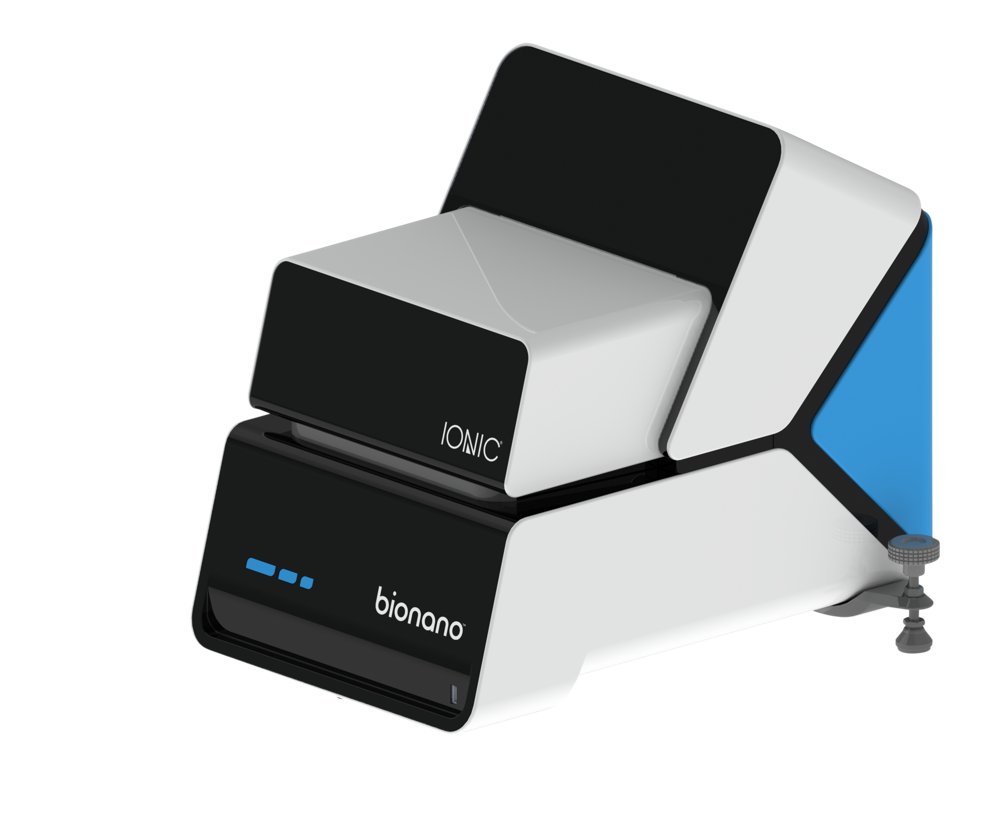 Ionic® Purification SystemBionano Genomics, Inc.
Market insights
Last 30 days: Quantum Technologies drew the most money: $3.17B.
Money raised per month
Behind the deal
Who led Qilimanjaro Quantum Tech’s $21.9M Series A?
See the investors with Insights Pro →