Santa Clara, 26 October 2026. Intel Corporation announced it has entered into a definitive agreement to acquire Classiq, a provider of quantum computing software. The combination of Classiq's synthesis platform with Intel's spin-qubit manufacturing and existing software would create a full-stack quantum computing platform, Intel said. Financial terms were not disclosed.
Intel stated that Classiq's synthesis platform is agnostic to the underlying qubit modality and hardware. The company compared Classiq's role to that of Electronic Design Automation and Computer-Aided Design software in silicon chip design. Intel said this high-level abstraction enables quantum computing to scale beyond custom hand-crafted circuits and applications.
Since 2015, Intel has been investing in quantum computing. Intel said it is the only company capable of producing qubit chips and complex cryogenic control electronics at-scale, using equipment and processes common to conventional silicon-based semiconductor manufacturing. The proposed acquisition would combine Intel's quantum software platform, scalable silicon spin-qubit technology and semiconductor manufacturing expertise with Classiq's automated quantum algorithm synthesis platform.
The combination would enable Intel to become a full-stack quantum solutions provider and to add Quantum Processing Units (QPUs) to its portfolio of Central Processing Units (CPUs), Graphical Processing Units (GPUs) and application-specific integrated circuits (ASICs).
"Joining forces with Classiq transforms Intel's Quantum Computing Group into a full-stack quantum computing business," said Lip-Bu Tan, chief executive officer, Intel.
Following the close of the transaction, Intel intends to continue to support Classiq's existing multi-platform integrations and ensure a modality- and hardware-agnostic software solution that continues to enable an open and collaborative quantum software ecosystem. The transaction is subject to regulatory approvals and other customary closing conditions and is expected to close in the first half of 2027. Until closing, Intel and Classiq will continue to operate as separate, independent companies.
Source: Intel news
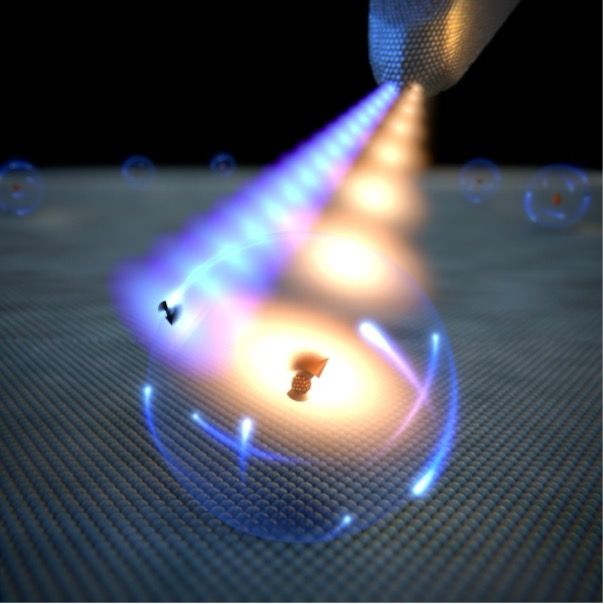
Researchers at Delft University of Technology have used radio waves to control the nuclear spin of a single atom, a feat previously thought impossible. By applying simultaneous signals to an atom's electron and nucleus with a converted scanning tunnelling microscope, the team flipped the nuclear spin even when the two spins were largely disentangled.
Quantum Art announced results from a joint project with an Israeli governmental R&D agency, developing quantum algorithms for electromagnetic wave propagation modeling across volumes of tens of cubic kilometers at centimeter-level resolution.
Seven organizations including Nautilus Technologies, Fujitsu company 1Finity, IIJ, Waseda University and Nagoya University have begun building a distributed quantum computing platform that links quantum clusters with the Tsurugi relational database over ultra-low-latency optical networks.
This week in nanotech
$281.1M raised
7 funding rounds · 35 deals tracked
New products
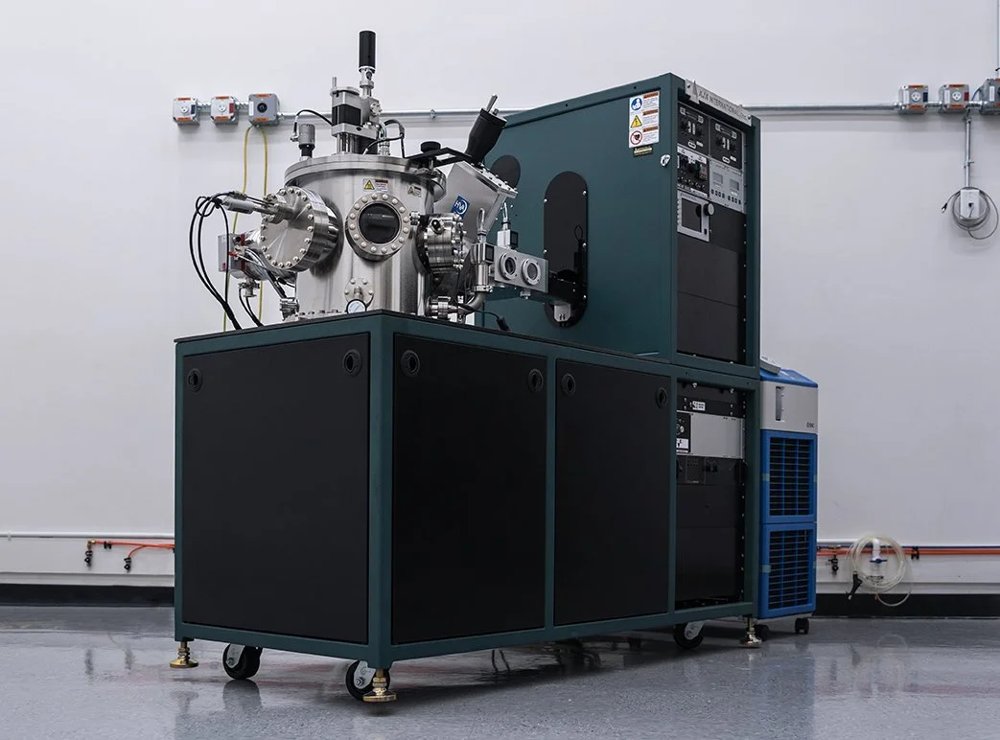 Orion Sputtering Deposition SystemsAJA International Featured
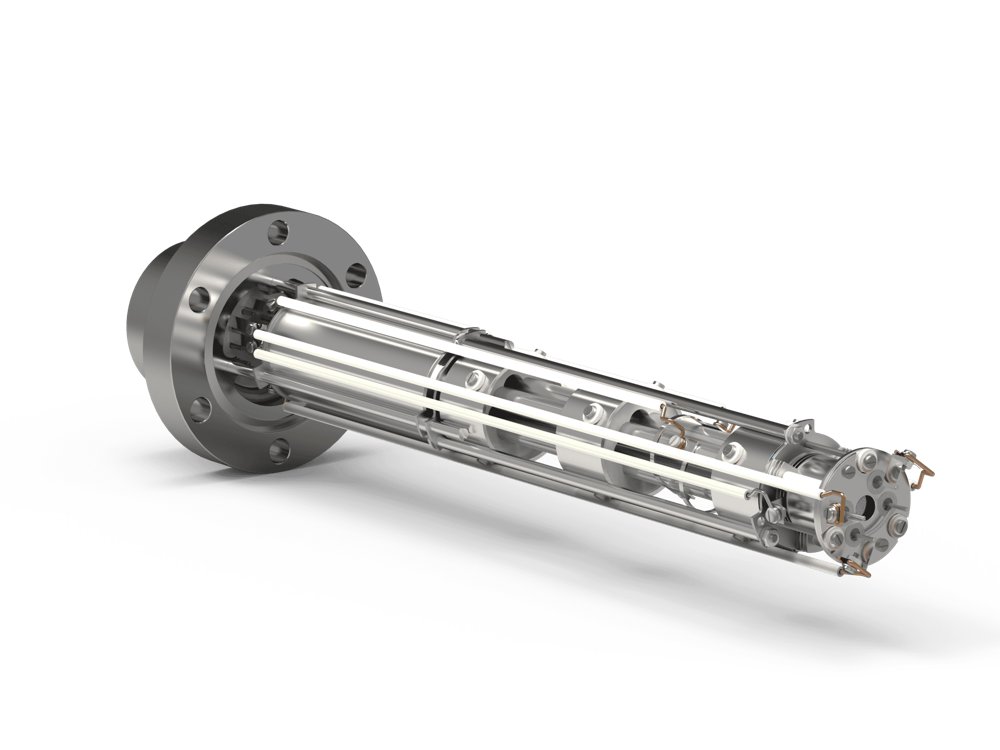 DLS-1 Mass Spectrometer for Fusion Gas AnalysisHiden Analytical Featured
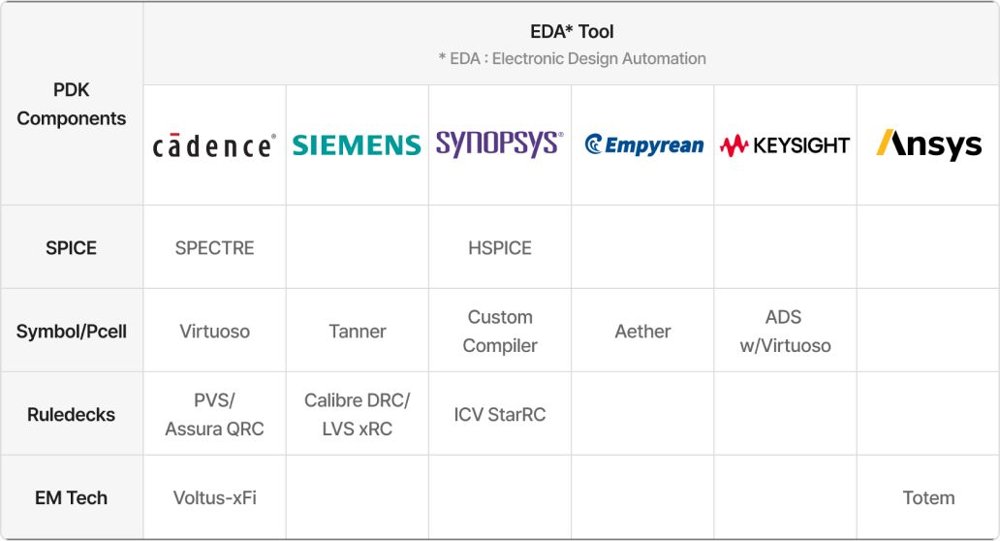 PDK (Process Design Kit)DB HiTek
Market insights
Last 30 days: Quantum Technologies drew the most money: $3.17B.
Money raised per month