
Espoo, 29 October 2026. IQM Quantum Computers announced that its cloud-accessible IQM Emerald system has fully entangled all 54 qubits on the chip simultaneously. The company said cloud customers now have access to that same full-chip performance, so their computations can draw on the entire processor rather than a fraction of it.
The demonstration used a Greenberger-Horne-Zeilinger (GHZ) state, described as a standard benchmark for large-scale entanglement, prepared across the entire IQM Emerald processor. IQM reported a fidelity of 0.515 at 40 qubits without readout error mitigation (REM) and 0.516 at the full 54 qubits with REM applied. Both figures are above the classical threshold of 0.500 that separates genuine entanglement from noise.
According to the release, a user running a comparable demonstration on IQM Emerald could until now reliably use on the order of 30 qubits within a single algorithm. Studies on large quantum chips often use only a fraction of the available qubits, commonly 10 to 20, even when the hardware has many more.
The result was enabled by an automated routine for state preparation that selects the best two-qubit gates while weighing gate fidelity against qubit idle time. The routine chooses both the qubits and the gate order to keep idle time to a minimum as the state is built. "Getting there came down to being smarter about how we prepare the state itself, choosing the gate order to keep idle time to a minimum," said Craig Ciesla, CTO, IQM Quantum Computers.
IQM said the result builds on roughly a year of hardware and calibration work across its technical teams. This includes an updated calibration methodology, an improved gate set and continued deployment of error-reduction tools such as dynamical decoupling. The company said these improvements led to an error rate reduction of up to 50% for quantum operations in the processor.
The automated state-preparation routine is part of IQM's broader effort to automate the operation of quantum computers. The company said this work, along with its AI-driven agentic calibration work, is part of that effort to automate the tuning of quantum systems.
Source: IQM Quantum Computers news
Nord Quantique announced a US$10 million extension of its DARPA Quantum Benchmarking Initiative Stage B agreement. The funding supports its work on utility-scale quantum computing with reduced hardware requirements.
Keysight Technologies, the University of Glasgow, NPL and MPI Corp have collaborated on broadband characterization of sub-THz semiconductor devices, demonstrating continuous on-wafer measurement of InP HEMTs from near-DC to 250GHz in a single sweep.
Google researchers reduced errors in magic states by about 40-fold, demonstrating magic-state cultivation on the Willow processor. The team reported T-states with a logical fidelity of 99.99%.
This week in nanotech
$740.7M raised
5 funding rounds · 36 deals tracked
New products
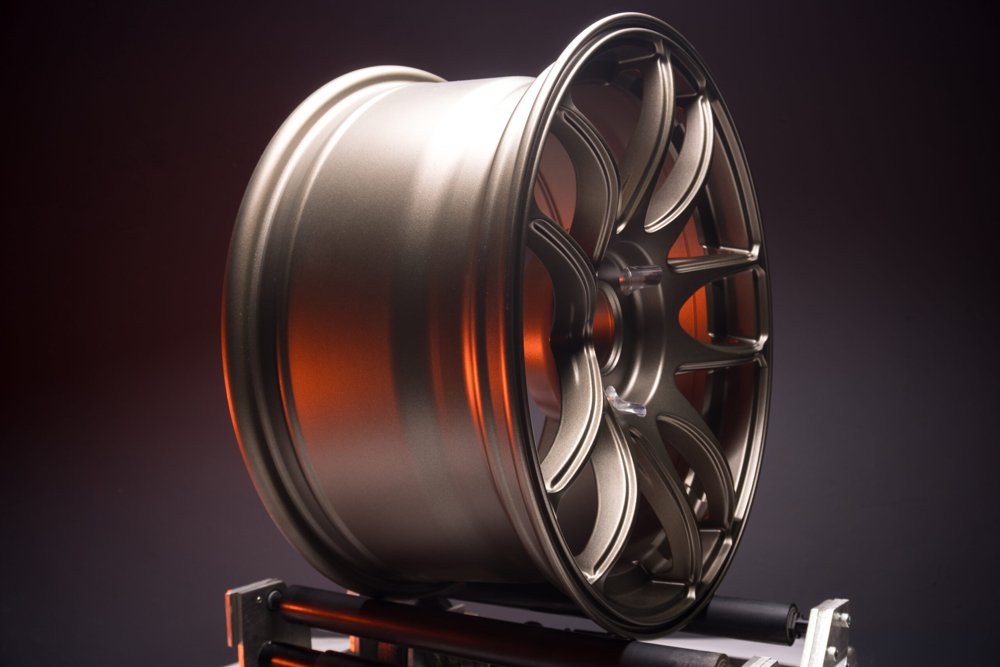 Ti-WCMBN Nanomaterialia Featured
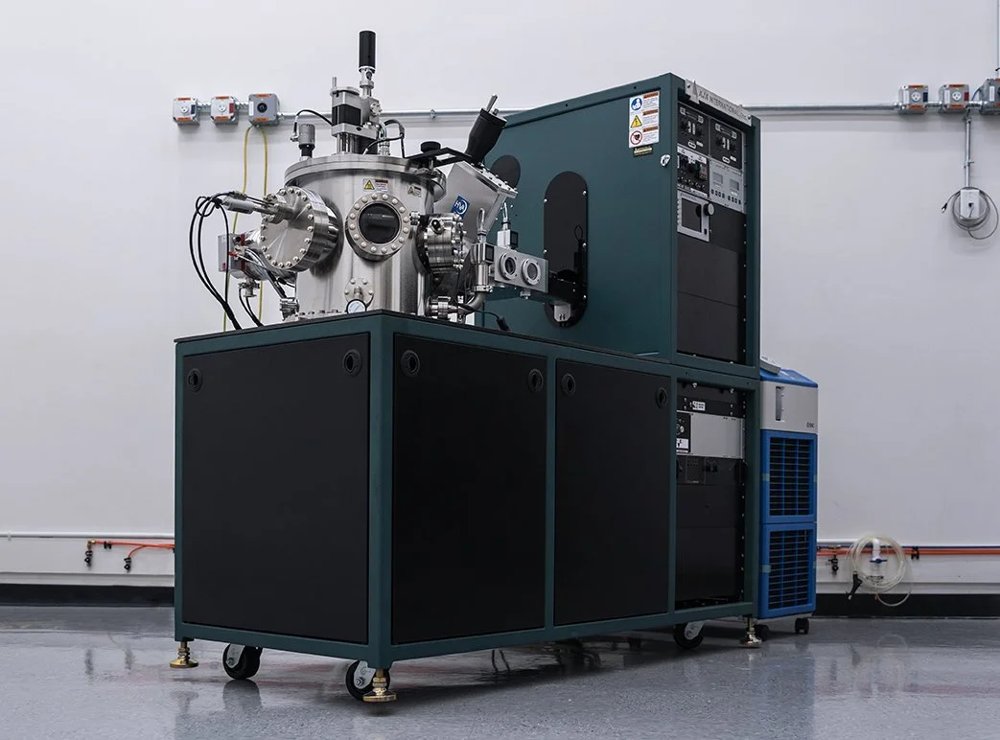 Orion Sputtering Deposition SystemsAJA International Featured
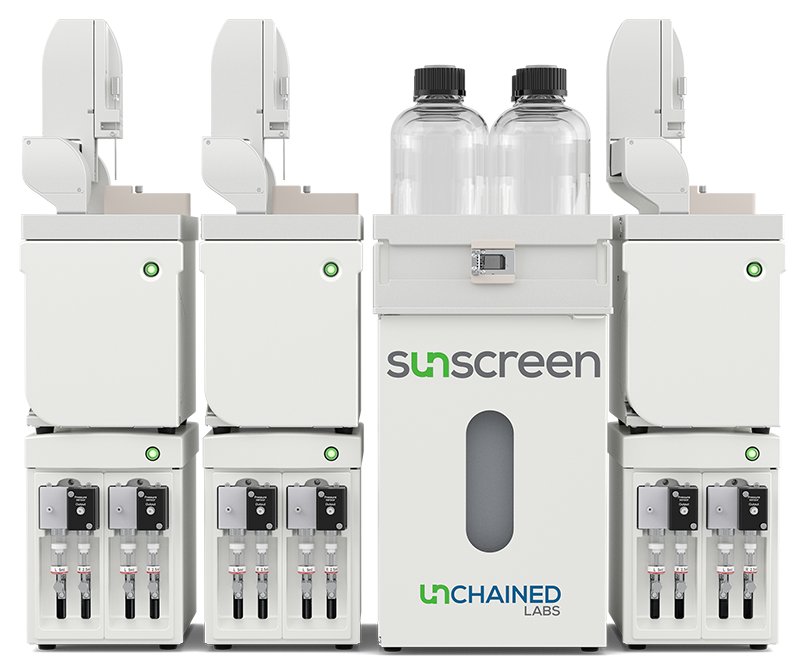 SunscreenUnchained Labs
Market insights
Last 30 days: Quantum Technologies drew the most money: $3.18B.
Money raised per month
Behind the deal
Who invested in Photon Bridge’s $11.2M Series A?
See the investors with Insights Pro →