Quad becomes Korea's first dedicated SNSPD company, betting on a sensor technology that's becoming foundational to quantum computing, LiDAR, and defense applications.
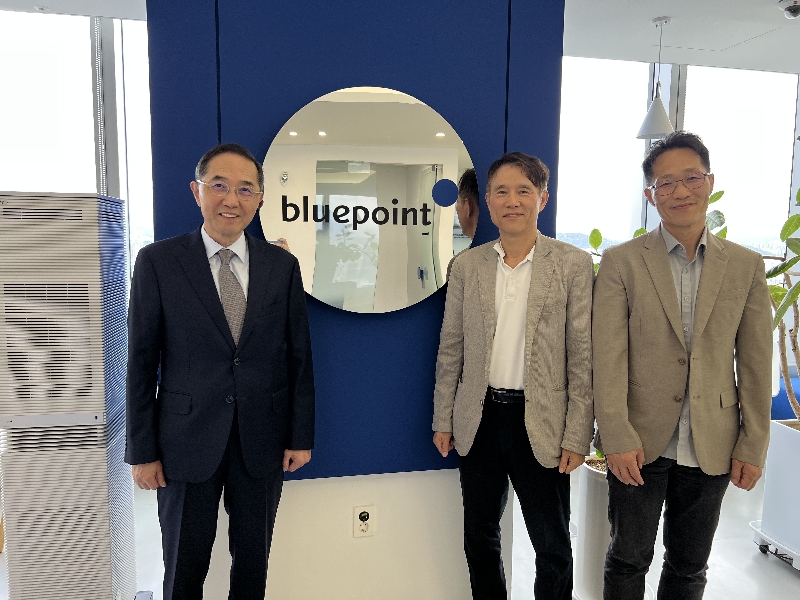
Quad, a South Korean startup building superconducting nanowire single-photon detectors (SNSPDs), has closed a 2.1 billion won (roughly $1.5 million) pre-A funding round. Investors include Blue Point Partners, Dongkuk Investment, Seoul National University Technology Holdings, and the Youth Innovation Startup Research Institute. The company says it is the first in Korea focused specifically on this detector technology.
SNSPDs are sensors capable of detecting individual photons — the smallest possible unit of light — with extremely high sensitivity, fast response times, and very low noise, but they require cryogenic operating conditions around -269°C. That combination of sensitivity and low noise makes them valuable wherever extremely faint optical signals need to be measured precisely: semiconductor defect inspection, medical imaging, autonomous vehicle LiDAR, and defense surveillance systems. They're also considered a critical enabling component for quantum computing and quantum communication systems, where reliably detecting single photons underpins how quantum information is read and transmitted.
"We will supply essential parts for the entire quantum industry with high-sensitivity quantum sensors that exceed the limits of existing sensor technology." — Oh Byung-doo, CEO
Single-photon detection sits at an unusually direct intersection of nanofabrication and quantum infrastructure, and most of the SNSPD supply chain today is concentrated among a small number of players (largely in the US and parts of Europe). A dedicated Korean entrant — backed by a team with IBM, LG, and Korea Electronics and Telecommunications Research Institute pedigree, and working jointly with the Korea Nanotechnology Institute on manufacturing scale-up — signals that South Korea is positioning to compete on a component-level technology rather than just downstream quantum applications. Worth watching is the company's stated sequencing: starting with semiconductor inspection modules (a market with existing revenue and clear near-term demand from Korea's chip industry) before expanding into defense, space-based optical communication, and quantum computing infrastructure — a sensible de-risking path for a hardware startup operating at cryogenic-scale manufacturing complexity.
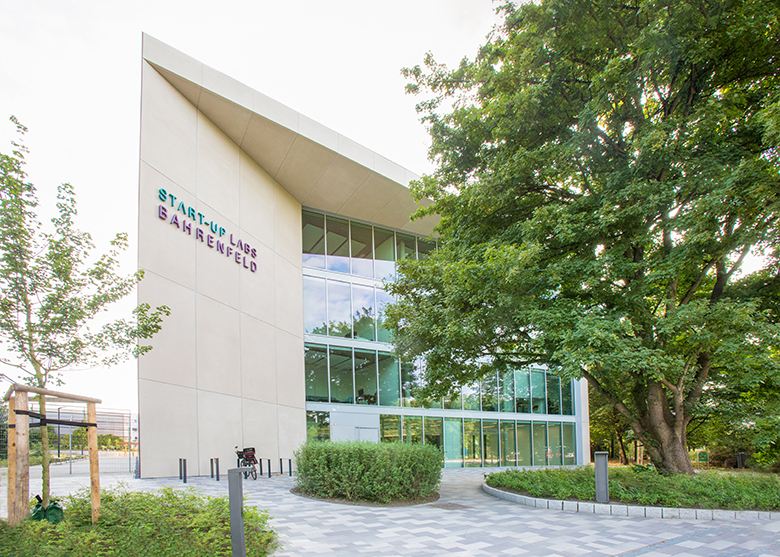
Light Conversion, a laser company based in Vilnius, Lithuania, has acquired Class 5 Photonics GmbH, a spin-off from DESY and GSI. Both companies are ultrafast laser system manufacturers, bringing together decades of expertise in femtosecond lasers, optical parametric chirped-pulse amplification (OPCPA), and advanced nonlinear technologies for the scientific as well as the R&D market.
Vancouver, March 2026 — Nano One Materials Corp. has received $3 million in funding from Natural Resources Canada (NRCan) to accelerate the development and commercial scale-up of its lithium iron phosphate (LFP) cathode materials. The funding, which runs through March 2028, will support optimization of the company’s patented One-Pot™ process. This innovative technology aims to produce LFP more efficiently, at lower cost, and with greater regional supply chain flexibility compared to...
WILMINGTON, Del., March 6, 2026 — Qnity Electronics, Inc. today announced the acquisition of a new facility in Taiwan, to accelerate capacity and support continued customer demand across the global semiconductor industry. The $61.5 million advanced semiconductor research and manufacturing facility marks a significant investment in Qnity’s growth to keep pace with customer demand. The new facility will support the production of the most advanced chip manufacturing applications. The site will...
This week in nanotech
$18.9M raised
4 funding rounds · 28 deals tracked
New products
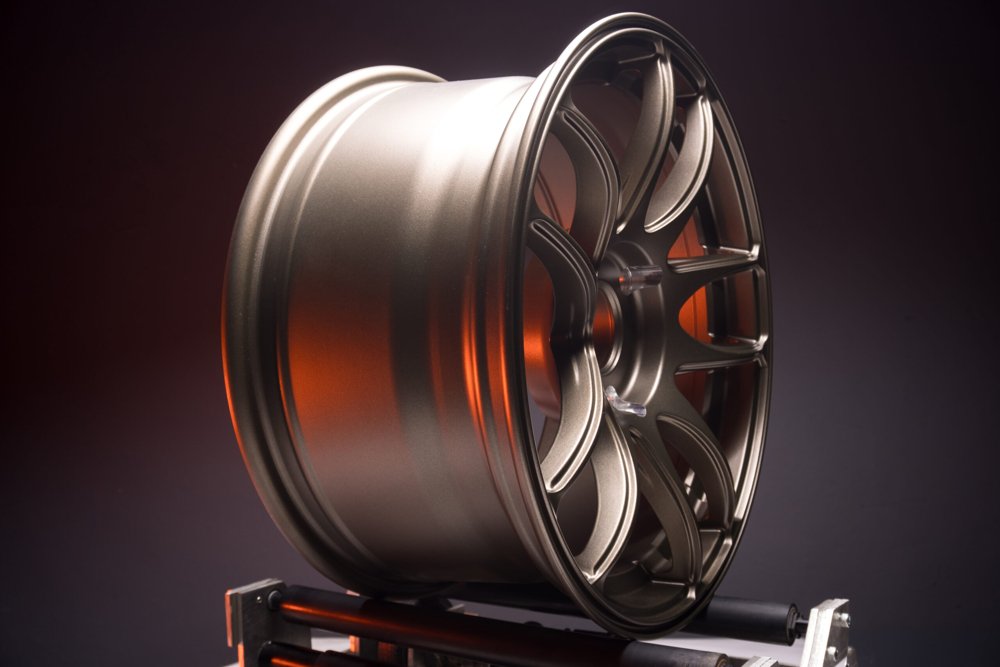 Ti-WCMBN Nanomaterialia Featured
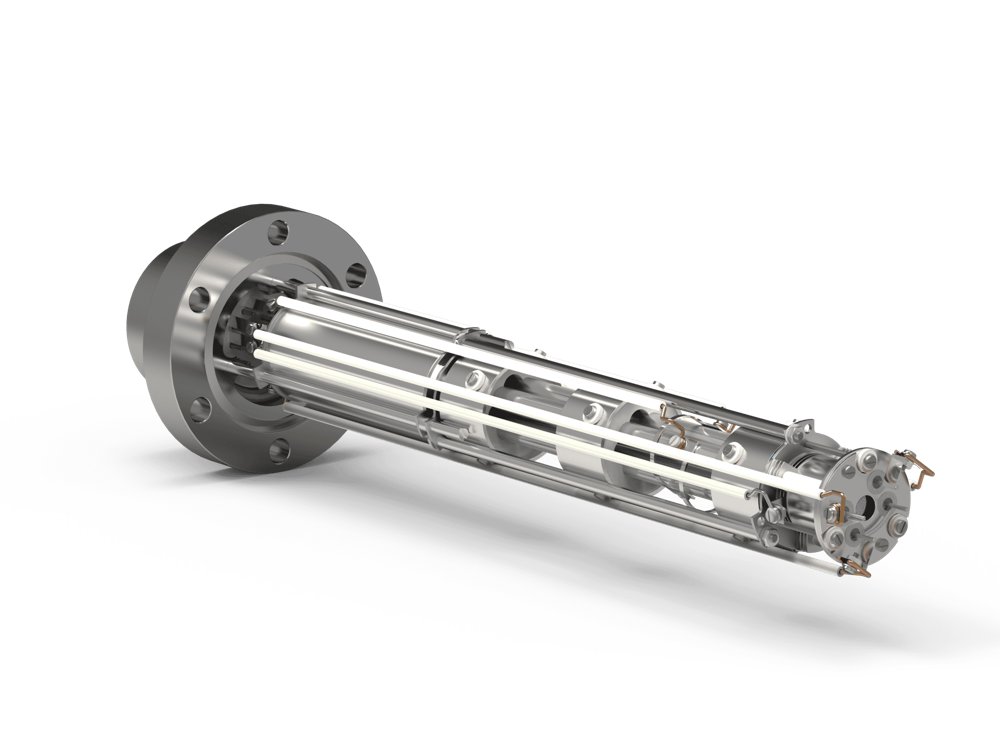 DLS-1 Mass Spectrometer for Fusion Gas AnalysisHiden Analytical Featured
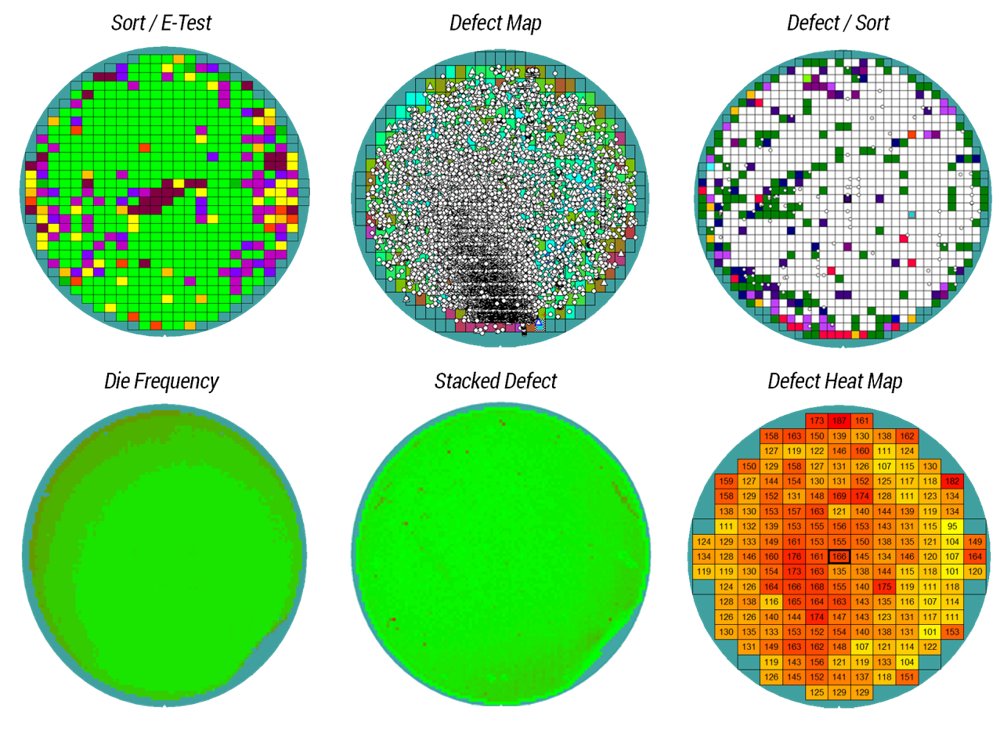 Discover Mapping SuiteOnto Innovation
Market insights
Last 30 days: Semiconductors & Electronics drew the most money: $547.7M.
Money raised per month