Cambridge, UK, 13 November 2026. Levidian has announced the launch of NanoFlow R1-10, the first product in its NanoFlow resin series of ready-to-use graphene dispersions. The product contains 10 wt.% of Levidian's G3 graphene, pre-dispersed in a bisphenol A-based epoxy resin.
NanoFlow R1-10 is designed for two-part epoxy systems. Manufacturers blend the concentrate into their existing epoxy base resin to reach the desired graphene loading, then add the hardener under their usual formulation requirements. The product is supplied in paint-tin-style containers.
According to Levidian, the pre-dispersed format removes the need to handle and disperse dry graphene powder. The company says this allows manufacturers to evaluate graphene performance rather than develop specialist dispersion processes. Target applications include industrial and protective paints and coatings, fibre-reinforced composites, adhesives and sealants.
Levidian lists potential benefits that depend on formulation and graphene loading. These include improved mechanical properties, enhanced barrier performance, improved corrosion resistance, and enhanced thermal and electrical conductivity, the latter enabling materials for static dissipation.
The launch follows NanoFlow S1-20, a 20 wt.% graphene dispersion in xylene for solvent-based coatings, and NanoFlow A1-30, a 30 wt.% aqueous graphene dispersion for water-based formulations.
Nasir Macadam, Principal Engineer at Levidian, said: "One of the challenges with graphene has always been getting it into the materials manufacturers already use, in a consistent and practical way. With NanoFlow R1-10, we've taken another step towards solving that problem by incorporating G3 directly into a familiar epoxy resin."
Levidian's G3 graphene is produced using its LOOP technology, which converts methane into hydrogen and graphene through a low-temperature microwave plasma process. NanoFlow R1-10 is available for customer evaluation and product development programmes, and Levidian invites requests for samples and formulation support.
Source: Levidian news

Nanomate by Phi4tech has certified its reduced graphene oxide product rGO+ at the Instituto del Carbono del CSIC. The company reports a carbon purity of 98% and high conductivity.
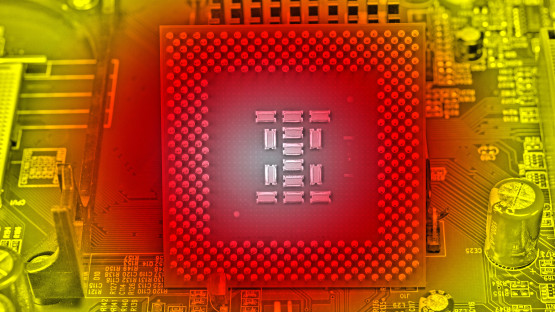
Cornell researchers combined density functional theory with nonequilibrium Green's function methods to show that an applied electric field can raise or lower the cross-plane thermal conductivity of aluminum nitride depending on field direction relative to crystal polarity, predicting about 334 watts per meter-kelvin at zero field. Complementary experiments on hexagonal boron nitride measured thermal resistance drops of up to 25 percent under strong fields.

Henkel has launched Loctite ABLESTIK CDF 900, a conductive die attach film series with thermal conductivity exceeding 8 W/m-K, for AI, 5G and 6G telecom and HPC packaging.
This week in nanotech
$109M raised
3 funding rounds · 18 deals tracked
New products
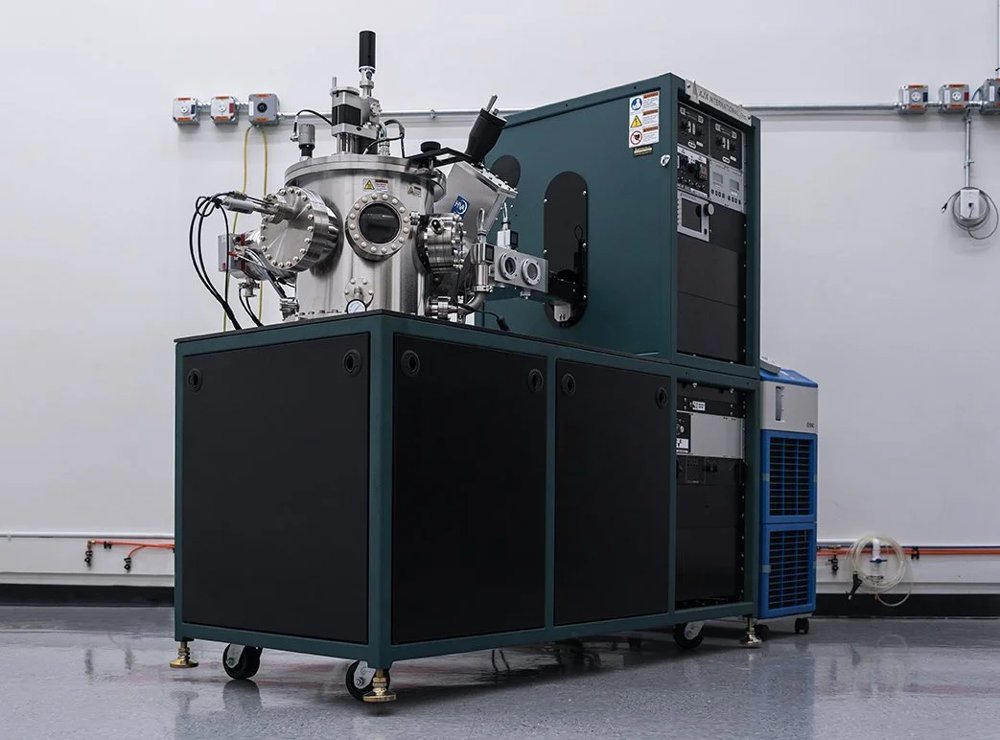 Orion Sputtering Deposition SystemsAJA International Featured
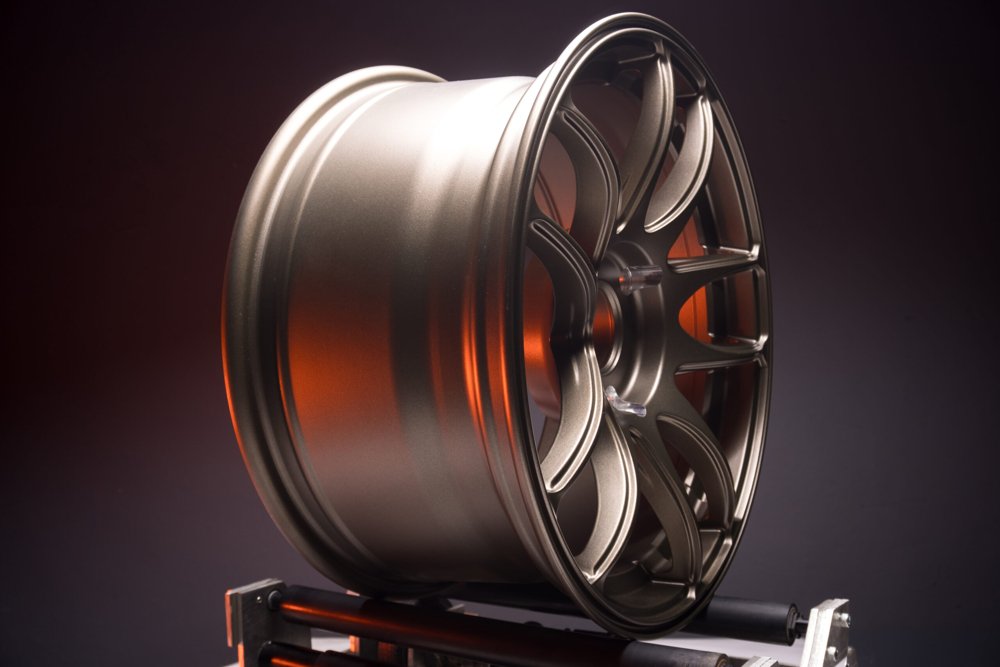 Ti-WCMBN Nanomaterialia Featured
 GiiiGii
Market insights
Last 30 days: Semiconductors & Electronics drew the most money: $545M.
Money raised per month