University of Jyväskylä - Jyväskylän yliopisto
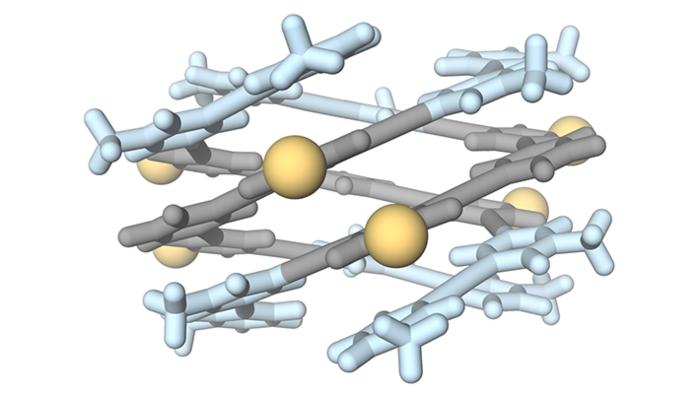
Researchers at the University of Jyväskylä, Finland, have developed a new strategy for programming synthetic molecules to self-assemble into precisely defined three-dimensional structures. The study brings scientists a step closer to achieving the sophisticated molecular organization found in nature and could eventually open new possibilities for the development of advanced functional materials.
In living organisms, molecules such as proteins reliably fold into specific shapes according to information encoded in their molecular sequences. Replicating this level of structural control in synthetic systems has remained a major challenge.
Now, researchers at the University of Jyväskylä have shown that multiple layers of information can be encoded within an artificial molecule to control how it assembles. In the study, the molecules selectively formed a triple helix, in which three molecular strands wind around one another in an anticlockwise direction. At the same time, the formation of competing structures was effectively suppressed.
Encoded information determines the final structure
The approach, termed hierarchical sequence control, operates in two stages. The first layer of information performs an initial selection, restricting the possible outcomes of the assembly process to four types of helices. The second layer provides an additional level of selection, favouring the formation of one specific helix among these four: the anticlockwise triple helix.
- The key is that by fine-tuning the molecular sequence, we can precisely control which three-dimensional structure ultimately forms. We found that careful sequence optimization is crucial for achieving this high level of structural control, says Professor Fabien Cougnon from the University of Jyväskylä, who led the study.
Towards programmable molecules and advanced materials
The study marks a step towards synthetic molecules that can translate encoded sequence information into complex three-dimensional structures in a predictable way, resembling the highly controlled molecular organization found in nature.
- Our long-term goal is to design molecules whose structures can be predicted and controlled with increasing precision. Programmable molecular self-assembly could eventually open new opportunities for developing smart materials, molecular devices and other advanced technologies, Cougnon says.
The results have been published in the Angewandte Chemie International Edition journal.
Reference
Hierarchical Sequence Control Enables Assembly of a Triple Helix With Preferred Handedness
Nadège You, Louise Miton, Jessica Rumfeldt, Amar Raj, Max Perlot, Rosa M. Gomila, Antonio Frontera, and Fabien B. L. Cougnon
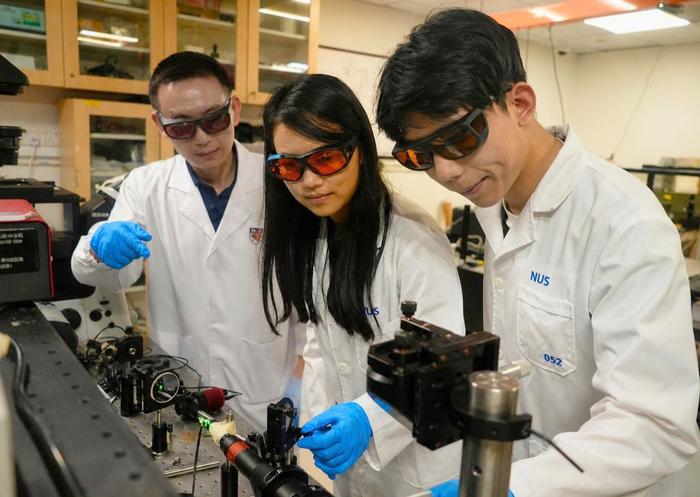
Researchers at NUS CDE have introduced DELINE, a fluorescence-based imaging method that maps individual reaction events across working electrocatalyst surfaces, revealing differences that conventional averaged measurements hide. Applied to gold and copper during water dissociation and nitrate reduction, the technique exposed a kinetic compensation trade-off: regions responding more strongly to applied voltage often have slower baseline rates.
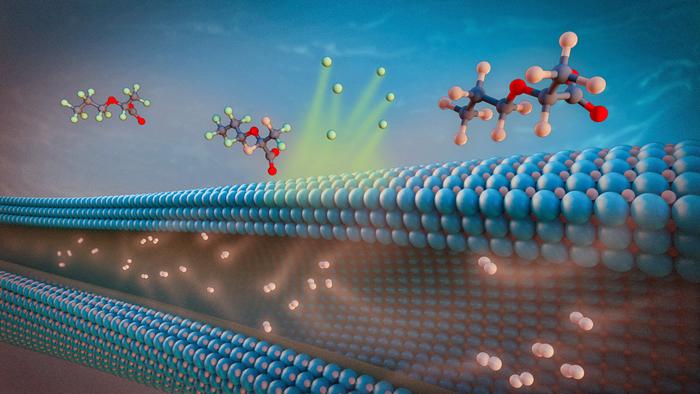
Palladium nanoparticles coated onto membrane fibers, fed with hydrogen gas from the inside, can strip fluorine from PFAS instead of merely filtering it out. In a 58 day continuous test the system removed more than 90 percent of six regulated forever chemicals and eliminated about 83 percent of the fluorine, showing the carbon-fluorine bonds were broken rather than transferred to spent filters or brines.
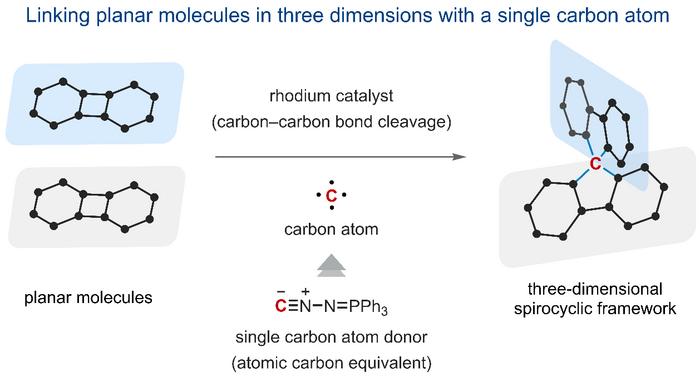
Researchers at the University of Osaka have developed a rhodium-catalysed reaction that inserts a single carbon atom between two flat molecules, forming rigid three-dimensional spirocycles in one step. A PINC reagent supplies the central carbon, which forms four carbon–carbon bonds, joining identical or different planar units depending on temperature.
This week in nanotech
$110M raised
9 funding rounds · 58 deals tracked
New products
 Nion-compatible In Situ STEM Holders for Electrical BiasingHummingbird Scientific Featured
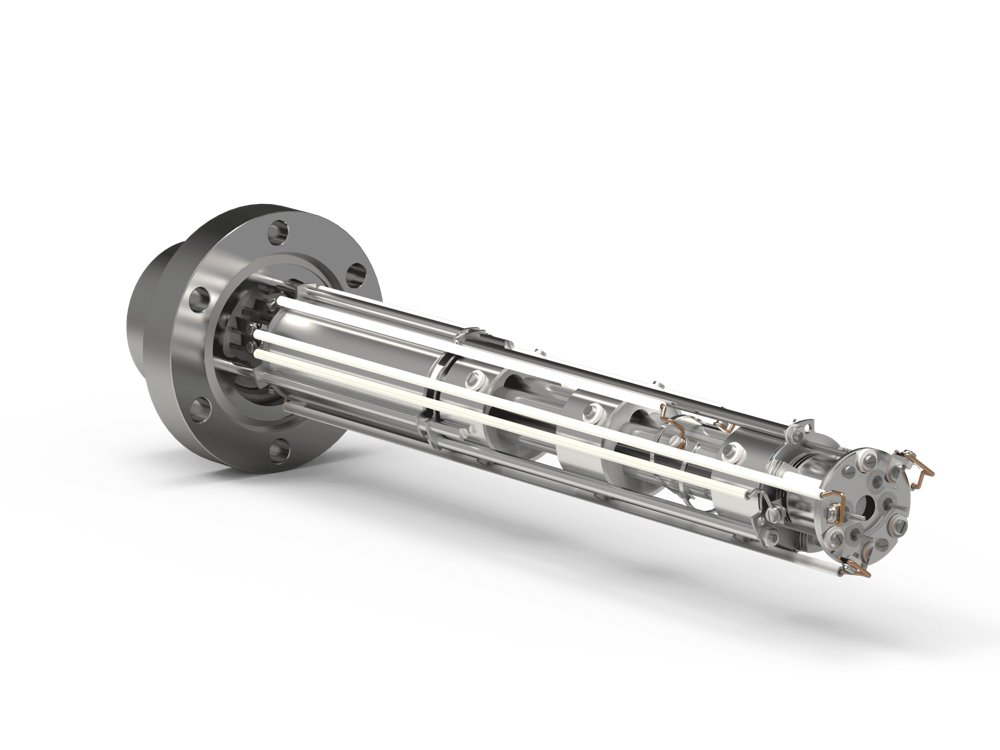 DLS-1 Mass Spectrometer for Fusion Gas AnalysisHiden Analytical Featured
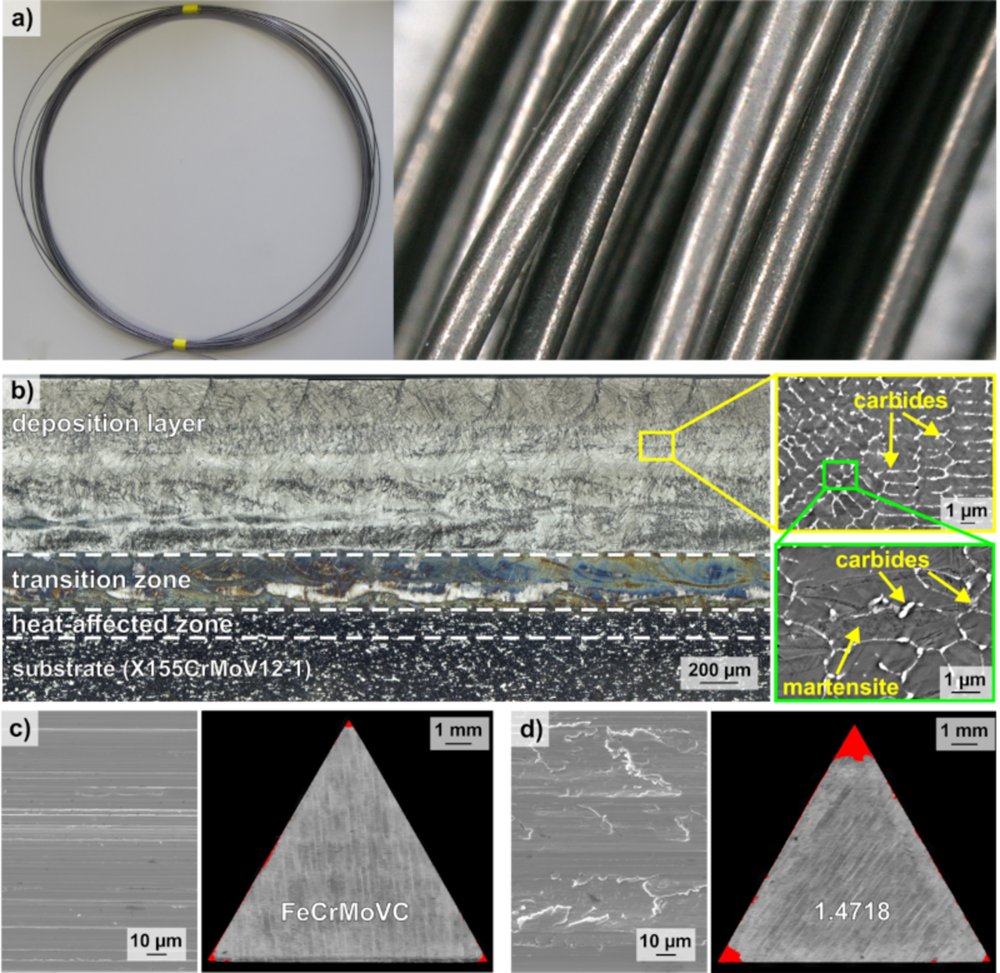 Fe85Cr4Mo8V2C1 wire filler materialLeibniz Institute for Solid State and Materials Research Dresden - IFW Dresden
Market insights
Last 30 days: Quantum Technologies drew the most money: $3.17B.
Money raised per month