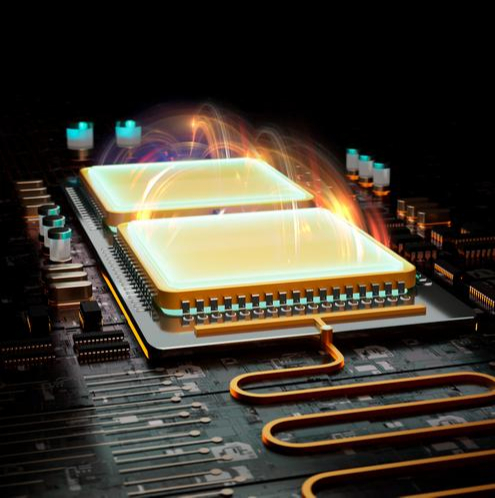
On July 8, 2025, physicists from Aalto University in Finland published a transmon qubit coherence dramatically surpassing previous scientifically published records. The millisecond coherence measurement marks a quantum leap in computational technology, with the previous maximum echo coherence measurements approaching 0.6 milliseconds.
Longer qubit coherence allows for an extended window of time in which quantum computers can execute error-free operations, enabling more complex quantum computations and more quantum logic operations before errors occur. Not only does this allow for more calculations with noisy quantum computers, but it also decreases the resources needed for quantum error correction, which is a path to noiseless quantum computing.
‘We have just measured an echo coherence time for a transmon qubit that landed at a millisecond at maximum with a median of half a millisecond,’ says Mikko Tuokkola, the PhD student who conducted and analysed the measurements. The median reading is particularly significant, as it also surpasses current recorded readings.
The findings have been just published in the prestigious peer-reviewed journal Nature Communications.
The researchers report their approach as thoroughly as possible, with the aim of making it reproducible for research groups around the world.
Finland cements position at forefront of quantum
Tuokkala was supervised at Aalto University by postdoctoral researcher Dr. Yoshiki Sunada, who fabricated the chip and built the measurement setup.
‘We have been able to reproducibly fabricate high-quality transmon qubits. The fact that this can be achieved in a cleanroom which is accessible for academic research is a testament to Finland's leading position in quantum science and technology,’ adds Sunada who is currently working in Stanford University, USA.
The work is a result of the Quantum Computing and Devices (QCD) research group which is a part of Aalto University’s Department of Applied Physics, Academy of Finland Centre of Excellence in Quantum Technology (QTF), and the Finnish Quantum Flagship (FQF).
The qubit was fabricated by the QCD group at Aalto using high-quality superconducting film supplied by the Technical Research Centre of Finland (VTT). The success reflects the high quality of Micronova cleanrooms at OtaNano, Finland’s national research infrastructure for micro-, nano-, and quantum technologies.
‘This landmark achievement has strengthened Finland's standing as a global leader in the field, moving the needle forward on what can be made possible with the quantum computers of the future,’ says Professor of Quantum Technology Mikko Möttönen, who heads the QCD group.
Scaling up the quantum computers of the future requires advancements across several domains. Among them are noise reduction, qubit-count increases, and the qubit coherence time improvements at the centre of the new observations from the QCD. The group just opened a senior staff member and two postdocs positions for achieving future breakthroughs faster.
Reference
Methods to achieve near-millisecond energy relaxation and dephasing times for a superconducting transmon qubit
Mikko Tuokkola, Yoshiki Sunada, Heidi Kivijärvi, Jonatan Albanese, Leif Grönberg, Jukka-Pekka Kaikkonen, Visa Vesterinen, Joonas Govenius & Mikko Möttönen
https://www.nature.com/articles/s41467-025-61126-0
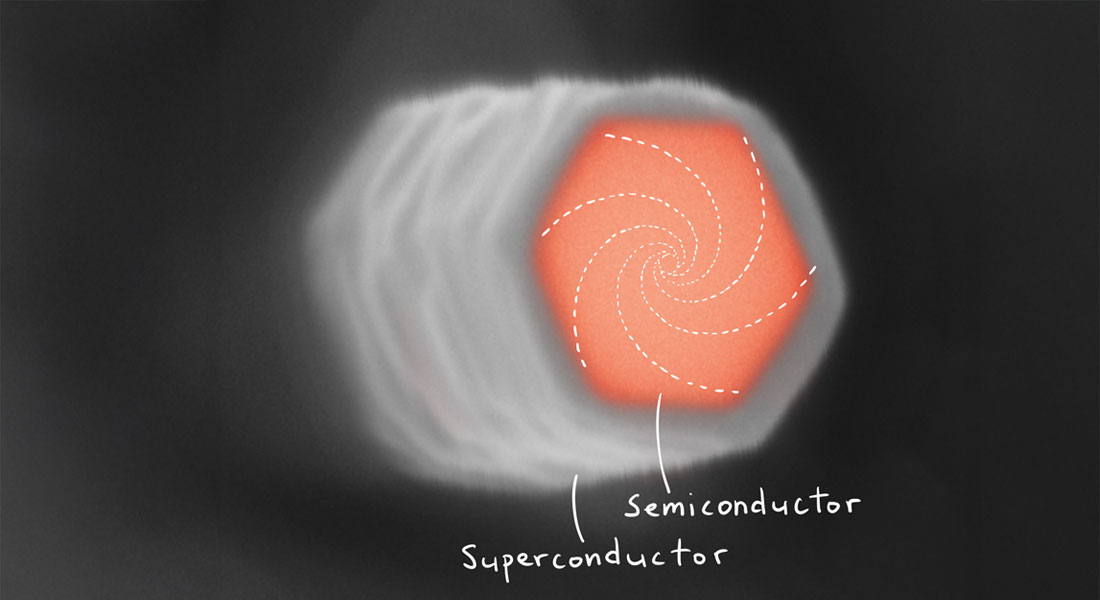
In a growing and very competitive research landscape in quantum, this work demonstrates the versatility of the semiconductor–superconductor platform to realize and study new types of quantum states.
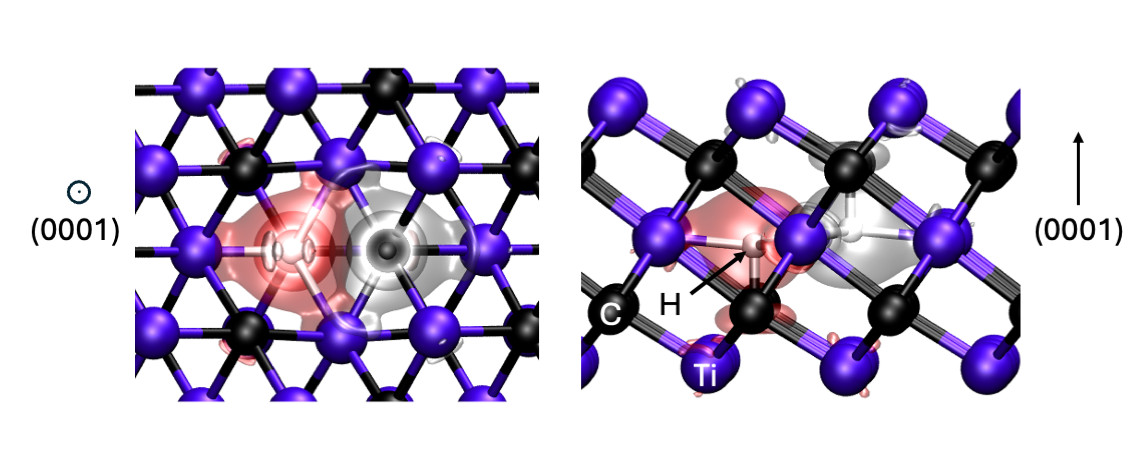
Two-dimensional (2D) materials such as MXene are of great interest for hydrogen storage. An expert from HZB has investigated the diffusion of hydrogen in MXene using density functional theory. This modelling provides valuable insights into the key diffusion mechanisms and hydrogen's interaction with Ti₃C₂ MXene, offering a solid foundation for further experimental research.
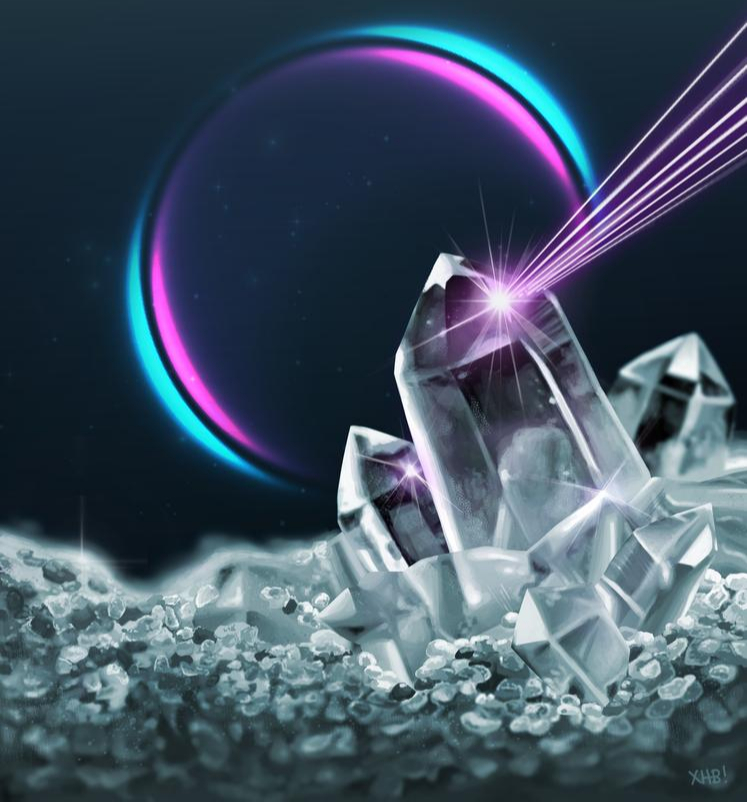
A group of DESY scientists together with colleagues from Finland and France has observed signatures of polariton-formation at extreme-ultraviolet (EUV) wavelengths for the first time. In general, polaritons are hybrid-states that emerge from the interplay of light and matter excitations - mostly observed under strong-coupling conditions.
This week in nanotech
$109M raised
3 funding rounds · 18 deals tracked
New products
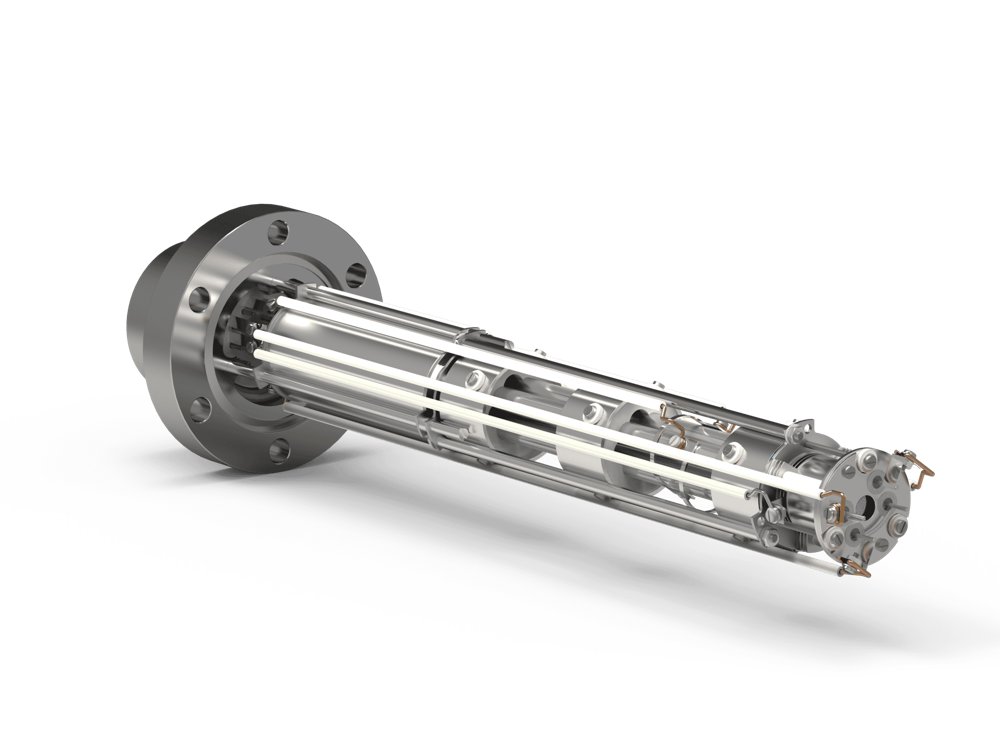 DLS-1 Mass Spectrometer for Fusion Gas AnalysisHiden Analytical Featured
 Nion-compatible In Situ STEM Holders for Electrical BiasingHummingbird Scientific Featured
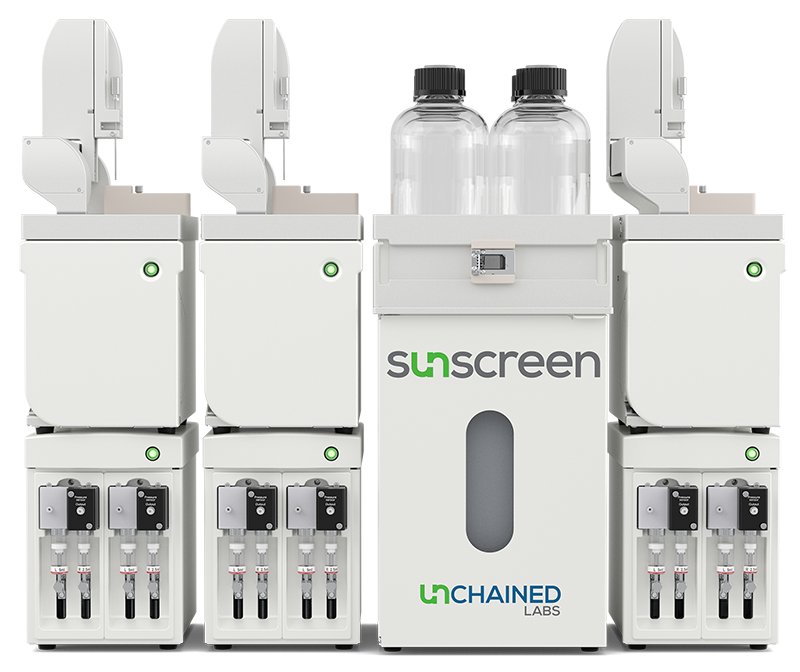 SunscreenUnchained Labs
Market insights
Last 30 days: Semiconductors & Electronics drew the most money: $545M.
Money raised per month