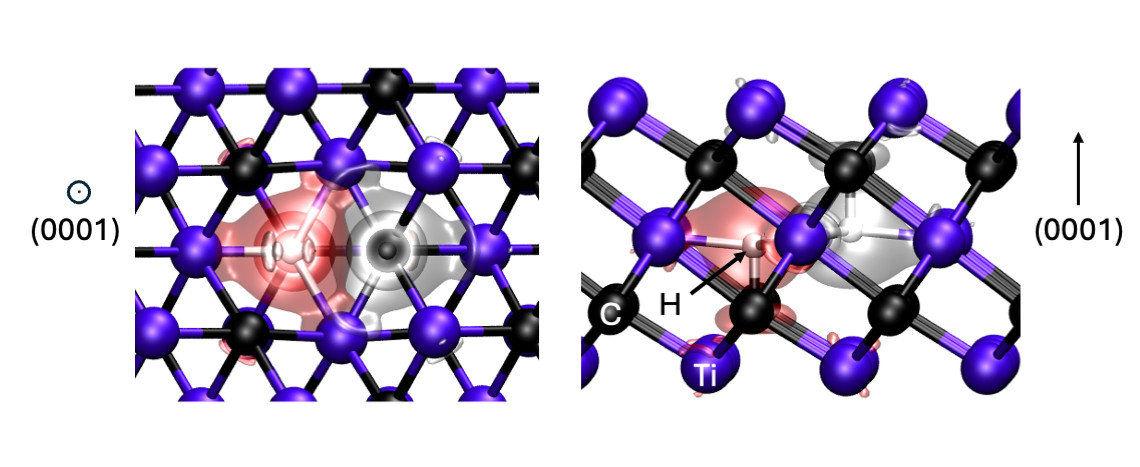
Two-dimensional (2D) materials such as MXene are of great interest for hydrogen storage. An expert from HZB has investigated the diffusion of hydrogen in MXene using density functional theory. This modelling provides valuable insights into the key diffusion mechanisms and hydrogen's interaction with Ti₃C₂ MXene, offering a solid foundation for further experimental research.
Hydrogen is an energy carrier that can be produced in a climate-friendly way by electrolysis of water using ‘green’ electricity. However, storing hydrogen is not that easy. MXene could be a promising solution. MXene are compounds of metal and nitrogen or carbon that form a two-dimensional hexagonal structure, giving them special physical and chemical properties. Atoms and molecules, such as hydrogen, can be stored both in and between the 2D layers. ‘However, we know that hydrogen atoms and even molecules form complex bonds in MXene and on its surfaces,’ says Prof. Dr. Norbert Nickel, a physicist at HZB. When storing hydrogen, it is also important that the hydrogen bound in the material can be released when needed.
Previous neutron scattering experiments have shown that hydrogen can be stored in the MXene material Ti3C2. However, in 2024, Nickel calculated exactly how the hydrogen orbitals interact with the titanium and carbon orbitals using density functional theory. These results shed light on the nature of hydrogen's chemical bonding and how temperature affects the diffusion process (see Annalen der Physik, 536, 2400011 (2024)). Nevertheless, quantum mechanical calculations of the interactions between hydrogen atoms and molecules with Ti₃C₂ show that the simple model of chemical bonding is insufficient to describe hydrogen's bonding properties.
Recently Nickel analysed the chemical orbitals in more detail: the calculations showed that interstitial hydrogen atoms and molecules form s-like bonds with neighbouring titanium atoms and s-p hybrid orbitals with neighbouring carbon atoms.
For the diffusion process, it is important that these bonds can be broken. In solids, foreign atoms, such as hydrogen, can diffuse either via vacancies or via interstitial sites. Diffusion therefore depends on the concentration of vacancies and interstitial sites. ‘Modelling shows that hydrogen transport in Ti3C2 occurs via interstitial sites and that diffusion via vacancies plays no role,’ Nickel summarises the results. This allows hydrogen atoms and molecules in Ti3C2 MXene to achieve high mobility with diffusion coefficients of 2.4 × 10⁻⁵ cm⁻²/s at a moderate temperature of 500 K.
Calculations of the orbital interactions between hydrogen and Ti₃C₂ also enable the parameter ranges in which particularly interesting experimental observations can be expected to be estimated in advance for the first time, for example with spectroscopic measurements at BESSY II.
Reference
Hydrogen Diffusion in Ti3C2 MXenes
Norbert H. Nickel
https://pubs.acs.org/doi/10.1021/acs.nanolett.4c05749
Helmholtz-Zentrum Berlin

A group of DESY scientists together with colleagues from Finland and France has observed signatures of polariton-formation at extreme-ultraviolet (EUV) wavelengths for the first time. In general, polaritons are hybrid-states that emerge from the interplay of light and matter excitations - mostly observed under strong-coupling conditions.
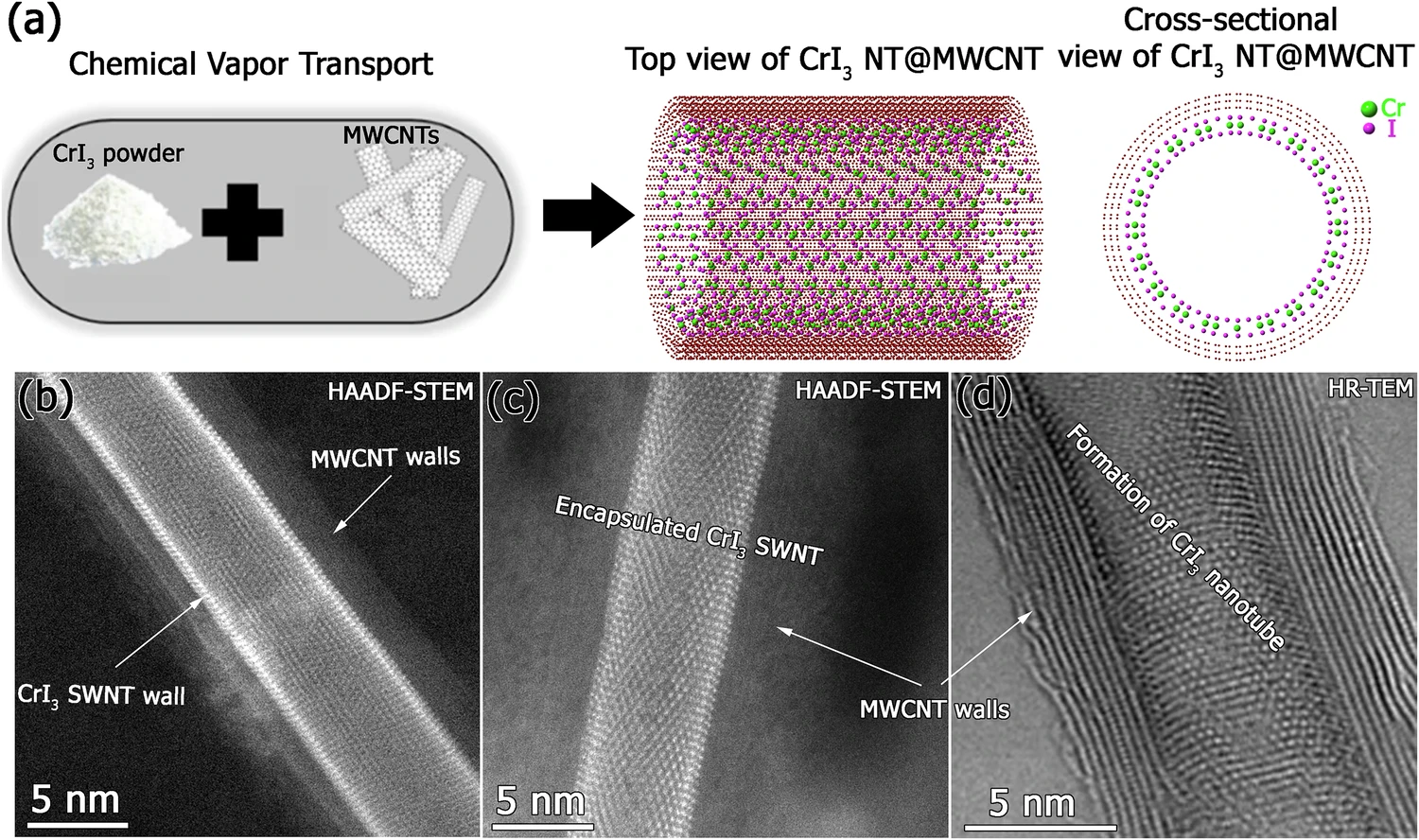
Researchers at the International Iberian Nanotechnology Laboratory (INL) in Braga, Portugal, have achieved a major breakthrough at the intersection of quantum materials and nanotechnology.

Scientists have developed a new X-ray laser approach that generates the shortest pulses of high-energy X-rays to date, clocking in at 60-100 attoseconds (quintillionths of a second). By using a powerful laser to stimulate inner shell electrons—those closest to an atomic nucleus—this fast and powerful technique captures detailed movements of electrons, enabling the study of quantum-scale phenomena previously thought unobservable.
This week in nanotech
$751.8M raised
6 funding rounds · 37 deals tracked
New products
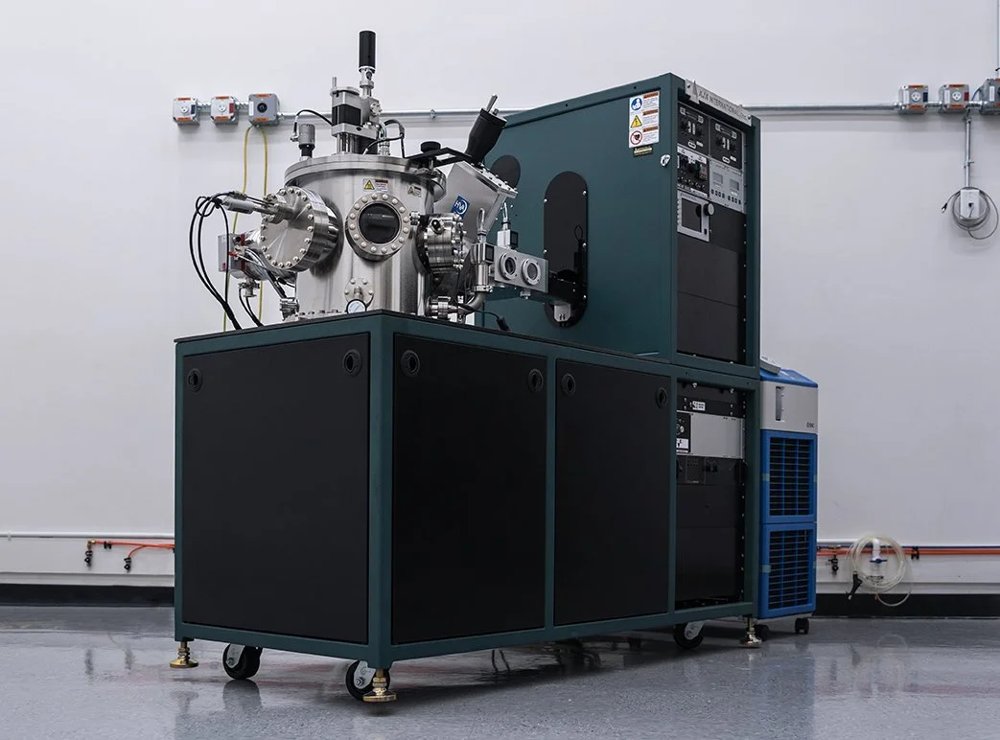 Orion Sputtering Deposition SystemsAJA International Featured
 Nion-compatible In Situ STEM Holders for Electrical BiasingHummingbird Scientific Featured
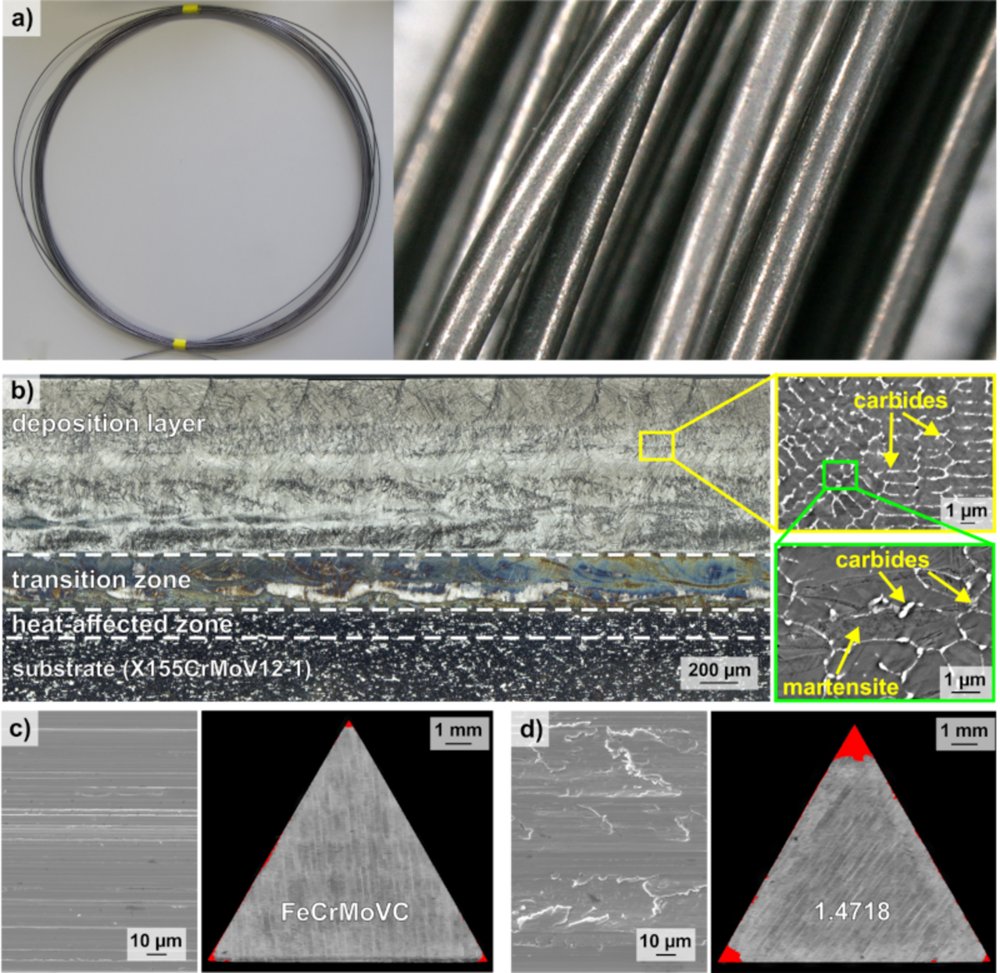 Fe85Cr4Mo8V2C1 wire filler materialLeibniz Institute for Solid State and Materials Research Dresden - IFW Dresden
Market insights
Last 30 days: Quantum Technologies drew the most money: $3.18B.
Money raised per month