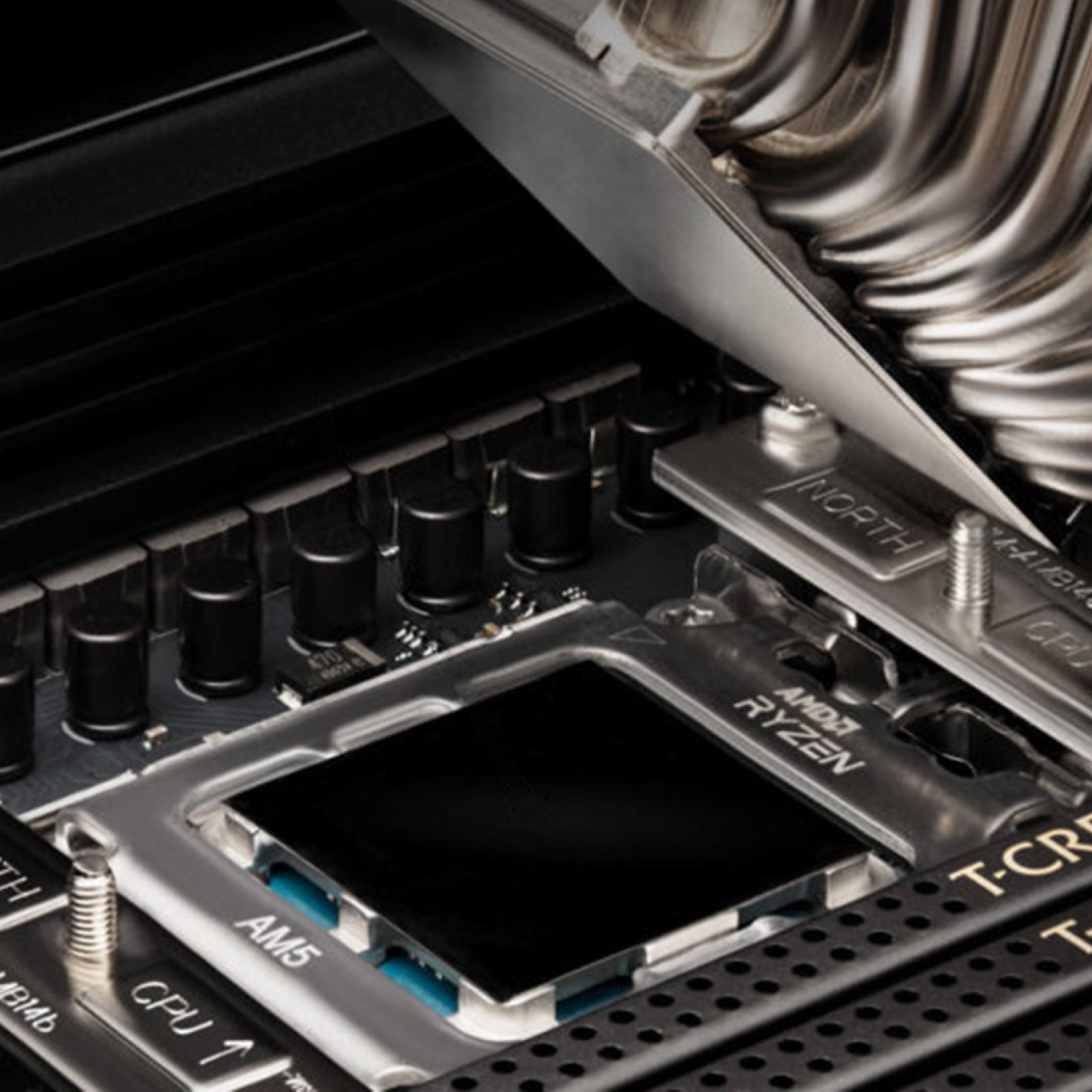
Vienna, 12 November 2026. Noctua introduced the NT-CP1 AM5/4 carbon nanotube thermal pad for AMD AM5 and AM4 processors. The pad uses carbon nanotube technology from Carbice. The manufacturer's suggested retail price is EUR 24.95 / USD 24.95.
The NT-CP1 has a 90 m profile and a precut 33x33mm size. It fits both AM5 and AM4 socket processors and was fine-tuned and validated for AMD Ryzen CPUs and APUs.
According to the release, thermal pastes and most other thermal pads lose performance over time through pump-out, delamination, cracking and other degradation effects. Carbice pads are said to improve performance over the first few hundred to a few thousand thermal cycles. The pad uses a phase-change polymer coating and carbon nanotubes that conform to surface microstructures, and it maintains stable performance after this activation phase.
Installation uses a peel, press, peel process. The pad has an aluminium backbone and a slightly tacky polymer coating that keeps it in place on the CPU. Noctua states the contact surfaces are electrically non-conductive before usage unless the polymer layer is penetrated.
The pad is manufactured by Carbice Corporation in the United States from recycled aluminium and waste carbon gas used to grow carbon nanotube forests in a low-temperature process. It can be recycled through standard aluminium recycling. Carbice's carbon nanotube thermal pads were first built for spacecraft.
"Noctua has spent two decades earning the trust of builders who care about every detail, and they share our belief that great engineering should last," a Carbice spokesperson said. The NT-CP1 AM5/4 is available as of today via Noctua's official Amazon stores. Other sales partners will receive stock shortly.
Source: Carbice news
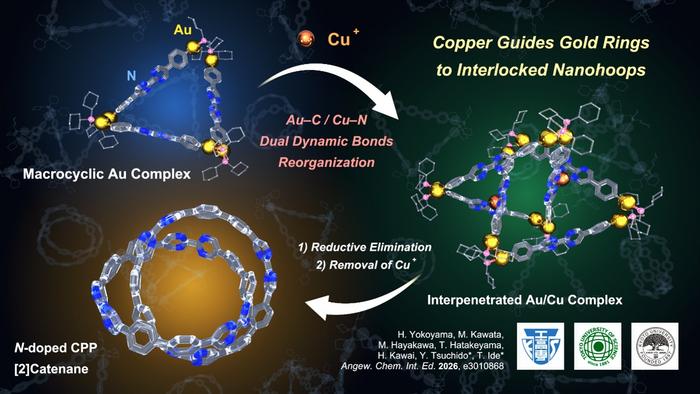
Researchers in Japan have combined gold(I) carbon bonds and copper(I) nitrogen coordination to assemble an interlocked catenane of nitrogen-doped carbon nanohoops in a single pot. Demetallation gave a metal-free [2]catenane of two fully conjugated [12]CPP rings in only eight steps, with a 2.9% overall yield that improves on conventional routes.
Researchers at the University of Córdoba have used vitamin B12, or cobalamin, as a catalyst in a zinc-air battery for the first time, anchoring the biomolecule to single-walled carbon nanotubes to keep it stable in an aqueous electrolyte. The cobalt at its core drives oxygen reduction on discharge and oxygen production on recharge, enabling up to 250 cycles.
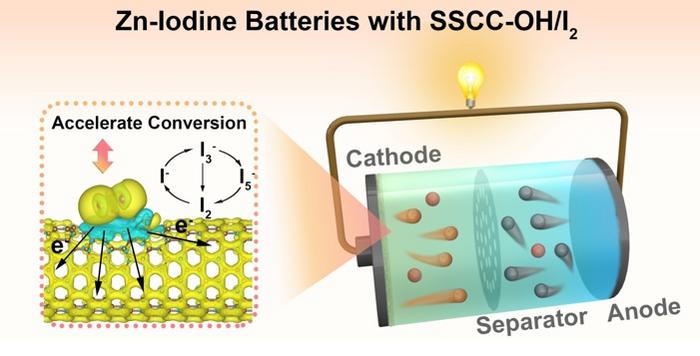
Researchers at Jilin University and the Changchun Institute of Applied Chemistry have shown that hydroxyl functional groups on self-supporting carbon nanotube cathodes stabilize aqueous zinc-iodine batteries. Density functional theory guided the choice of surface groups, and the hydroxyl-modified cathode confined iodine species within its porous nanotube channels. It retained 89.34% of capacity after more than 10,000 cycles and suppressed the iodine shuttle effect.
This week in nanotech
$109M raised
3 funding rounds · 18 deals tracked
New products
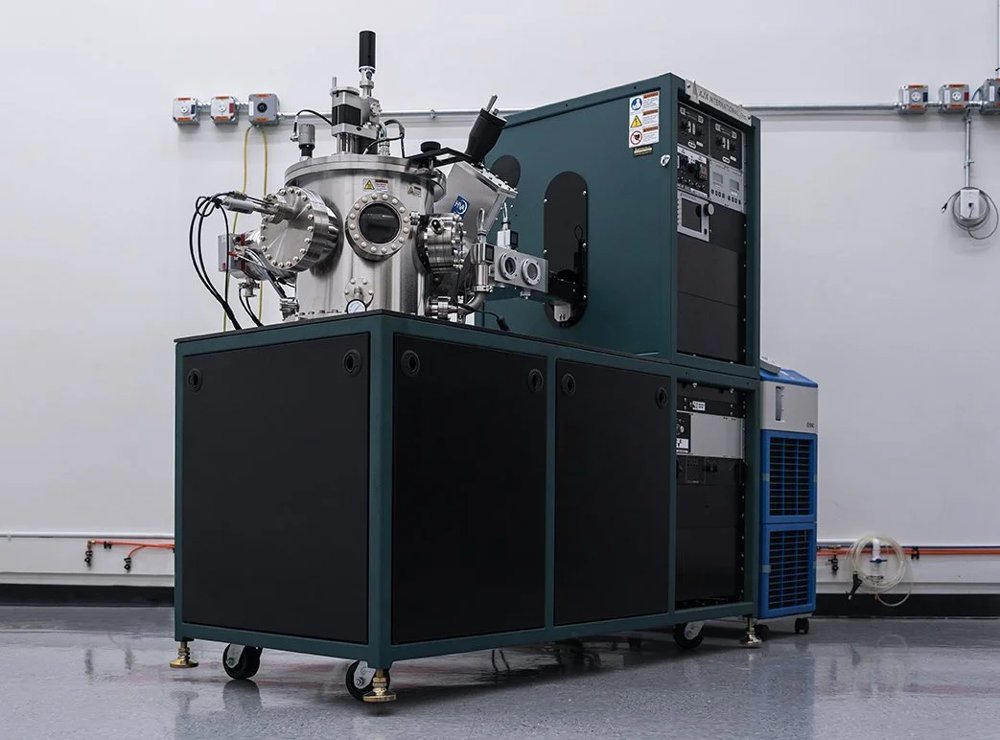 Orion Sputtering Deposition SystemsAJA International Featured
 Nion-compatible In Situ STEM Holders for Electrical BiasingHummingbird Scientific Featured
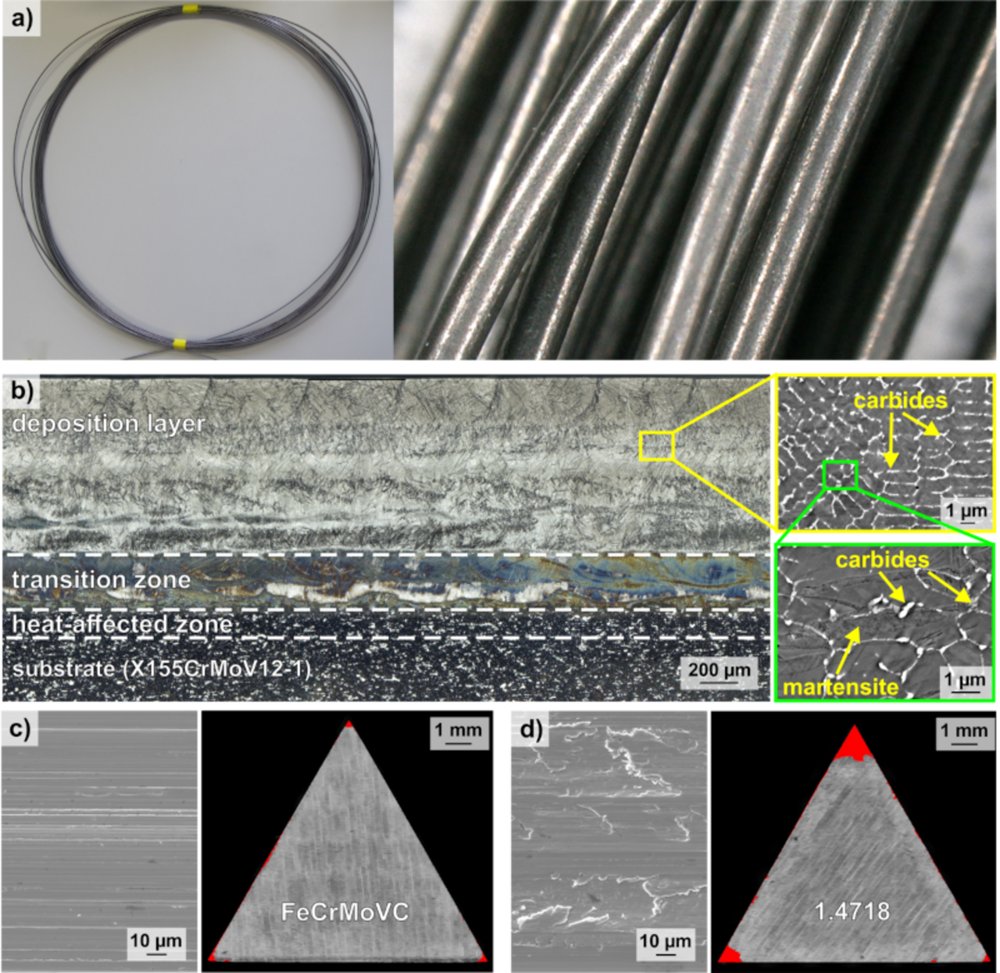 Fe85Cr4Mo8V2C1 wire filler materialLeibniz Institute for Solid State and Materials Research Dresden - IFW Dresden
Market insights
Last 30 days: Semiconductors & Electronics drew the most money: $545M.
Money raised per month