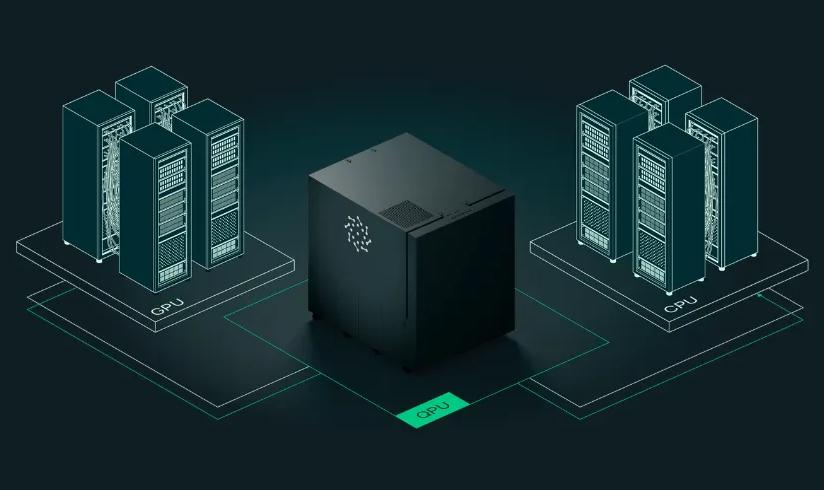
Pasqal (Nasdaq: PSQL) announced an integration with the Hierarchical Resources (HRES) capability recently added to Slurm, the open-source workload manager used in supercomputing centers. The integration lets HRES manage Pasqal's neutral-atom quantum processing units (QPUs) natively within Slurm.
NVIDIA expanded Slurm in a latest release to allow QPUs to be addressed as hierarchical resources. Pasqal is extending its hybrid HPC-QC platform accordingly. The feature in Slurm 26.11 was unveiled at SC26. Pasqal has scheduled its QPUs through Slurm since the release of the Quantum Resource Management Interface (QRMI) in 2025. QRMI is an open interface initially developed with IBM, the Rensselaer Polytechnic Institute (RPI) and the STFC Hartree Centre. Earlier this year, Pasqal integrated the NVIDIA CUDA-Q platform into its QRMI implementation.
Until now, running quantum workloads through Slurm required custom plugins outside its core. Using Slurm's expanded HRES features, Pasqal and IBM brought the integration closer to Slurm's native architecture, so HPC centers have less external code to maintain and fewer integration risks. HRES also offers a more efficient way than Slurm's standard generic resources model and dynamic licenses to share constrained resources such as quantum computers across users and jobs.
In practice, Slurm can check whether a QPU is available, schedule jobs, manage access and release resources automatically. Users can run hybrid workflows combining CPUs, GPUs and QPUs without managing quantum sessions separately. As QRMI is vendor-agnostic, the approach works with any QRMI-supported vendor, including Pasqal and IBM quantum processors. Workflows can be built with Pasqal's open-source software, including Pulser, QoolQit and application libraries such as its QUBO solver, or with NVIDIA CUDA-Q, in which Pasqal has added emulation of its devices.
Designed for Slurm 26.11, the integration architecture has been verified in a simulated on-premises QPU environment and on Pasqal Cloud. It builds on Pasqal's work at CINECA, the Italian supercomputing center, where its QPU is being integrated with Slurm via its open-source middleware Warden and QRMI to connect with the Leonardo supercomputer.
"Quantum computers will not be adopted as islands. They will be adopted when they become one more resource in the infrastructure supercomputing centers already run," said Loïc Henriet, CTO of Pasqal. Sam Stanwyck, Director of Quantum Product at NVIDIA, said: "Our goal is to make quantum processors productive tools for scientists working on computing's hardest problems."
Source: Pasqal news
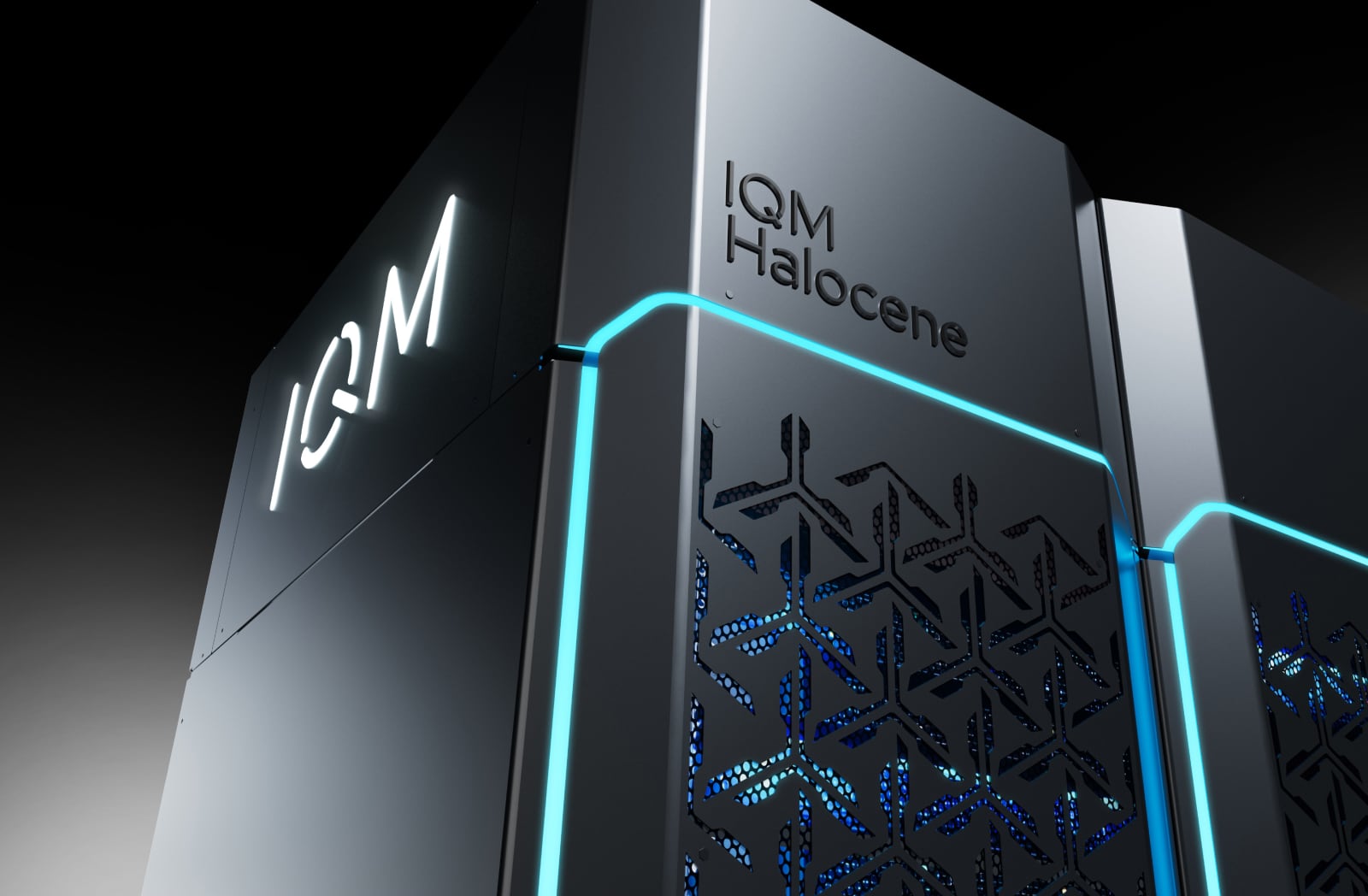
IQM Quantum Computers announced an upgrade programme for its Halocene error-correction product line, giving customers a path from a 150-qubit system to over 1,000 qubits without downtime.
Atom Computing has signed an agreement for up to $100 million with the U.S. Department of Commerce to accelerate R&D of fault-tolerant, utility-scale quantum computers, following an earlier Letter of Intent.
Pasqal has created AtomIQ-Lab, a joint laboratory with CNRS and Institut d'Optique Graduate School, inaugurated in November 2025. The lab formalizes a long-standing research relationship.
This week in nanotech
$18.9M raised
4 funding rounds · 38 deals tracked
New products
 Nion-compatible In Situ STEM Holders for Electrical BiasingHummingbird Scientific Featured
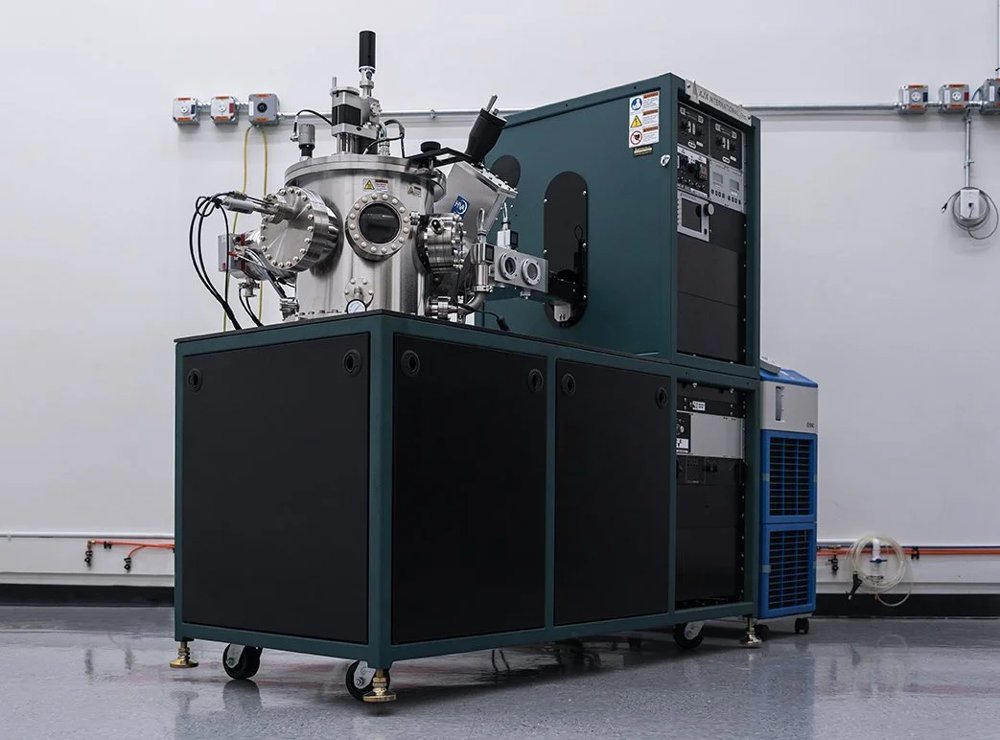 Orion Sputtering Deposition SystemsAJA International Featured
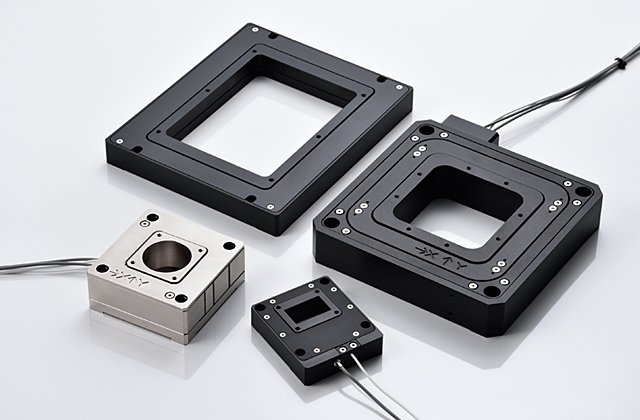 PKVH / PKVL ZAxis With an opening modelTHK PRECISION CO.,LTD.
Market insights
Last 30 days: Semiconductors & Electronics drew the most money: $547.7M.
Money raised per month