Palo Alto, 28 October 2026. PsiQuantum today unveiled its Optical Circuit Switching (OCS) technology, which applies the company's low-loss silicon photonics platform to scaling challenges in AI infrastructure. The first publicly disclosed OCS is an 8×8-radix demonstration vehicle built on the silicon photonics platform PsiQuantum has developed over nearly a decade for utility-scale quantum computing.
Testing in PsiQuantum's labs showed typical results of 1.2 dB of insertion loss, 40 dB cross talk, and less than 3 ms of reconfiguration time, all exceeding initial targets set for these devices and without amplification. PsiQuantum is sharing samples of the demonstration vehicle with select prospective customers and advancing the platform toward commercial products to be announced in the coming months.
PsiQuantum said it has also developed barium titanate (BTO) integration at the 300mm wafer scale and uses a 64×64 BTO switch in its quantum systems. BTO is not required for the demonstration vehicle or initial products, the company said, which it states highlights the performance of the underlying silicon photonics platform while preserving a path to future products.
In September 2026, PsiQuantum announced it had signed definitive documentation with the U.S. Department of Commerce to accelerate research and development, domestic manufacturability, and performance of critical components, including high-performance optical switches.
"This opportunity exists because we chose to solve the hardest scaling problems at the beginning of our roadmap to utility-scale quantum computing," said Victor Peng, Chief Executive Officer of PsiQuantum. "As AI computing pushes infrastructure to its limits, we now have an opportunity to put our state-of-the-art technology to work today while continuing toward our ultimate goal: building and deploying the world's first useful, fault-tolerant quantum computers."
"AI is driving extraordinary growth in the scale and complexity of computing infrastructure, and optics will play an increasingly important role in enabling that growth," said Rob Soderbery, Executive Vice President at PsiQuantum. PsiQuantum was founded in 2016 and is headquartered in Palo Alto, California.
Source: PsiQuantum news
Marvell has agreed to acquire Lumentum in an all-stock transaction with an implied enterprise value of $115 billion, or approximately $1,132 per Lumentum share. The deal is expected to close in the first half of calendar year 2028.
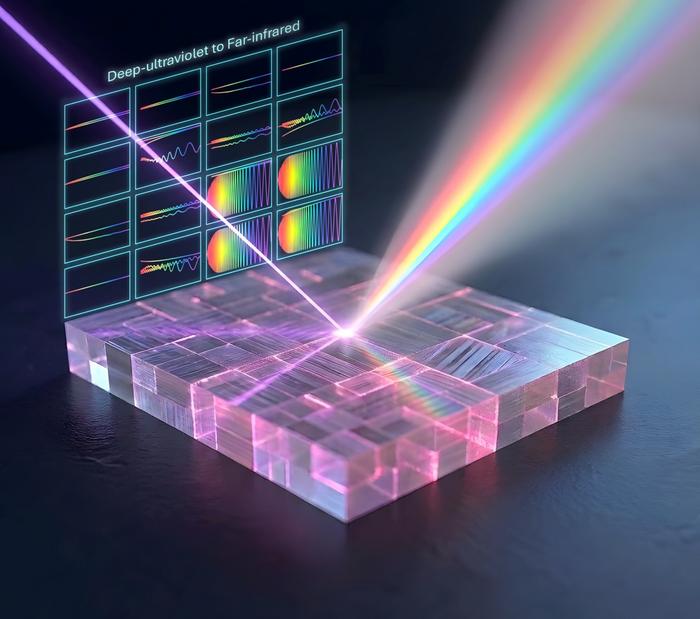
Researchers have precisely characterized the refractive index and absorption of barium titanate across wavelengths from the ultraviolet to the far-infrared, using Mueller-matrix spectroscopic ellipsometry on single-crystal samples to isolate intrinsic properties from mixed domain responses.
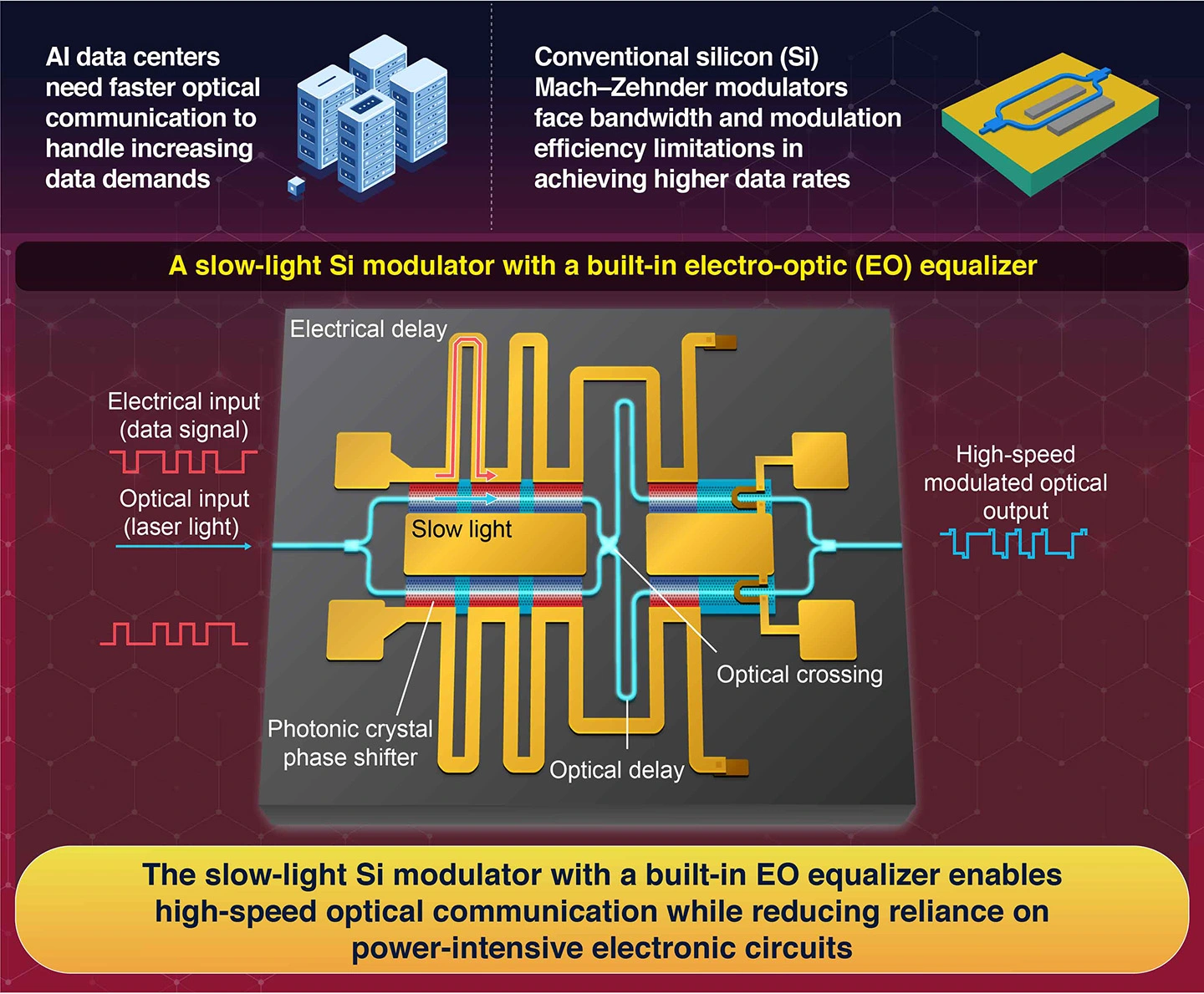
Researchers have built signal equalization directly into a compact slow-light silicon modulator, using a photonic crystal waveguide with segmented phase shifters, optical delay lines and crossings. Co-designing the electrical and optical responses extended bandwidth and cut waveform distortion. The 320 micrometre device reached 180 Gb/s under PAM4 without digital equalization and 200 Gb/s with a low-complexity 11-tap equalizer, plus 140 Gb/s on-off keying at 26 fJ/bit.
This week in nanotech
$109M raised
3 funding rounds · 18 deals tracked
New products
 Ti-WCMBN Nanomaterialia Featured
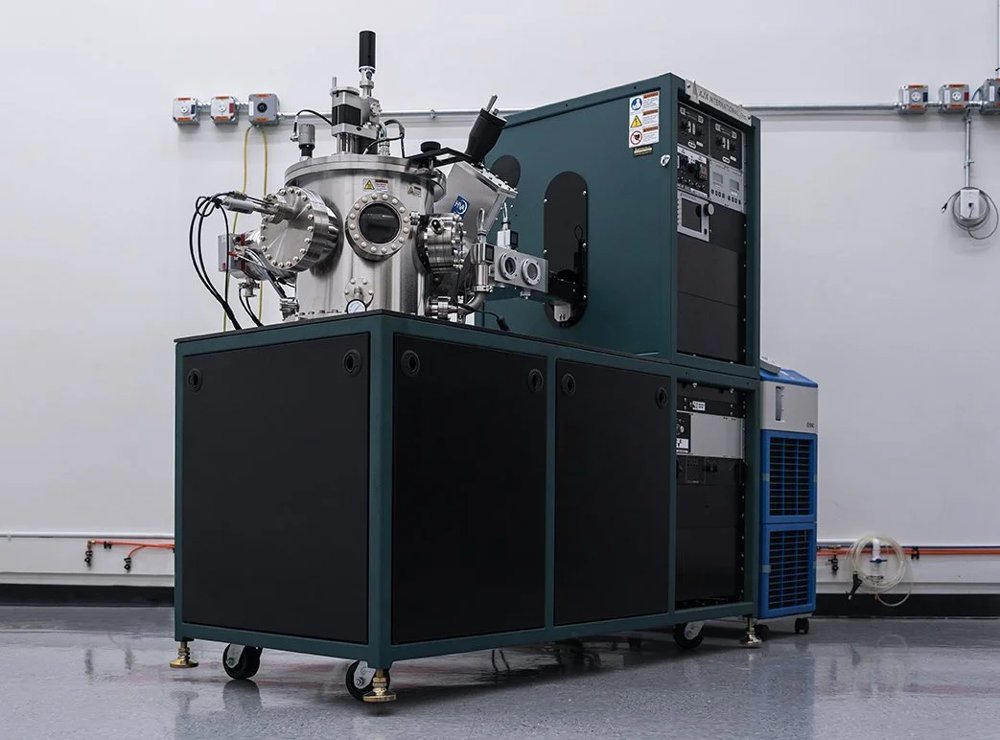 Orion Sputtering Deposition SystemsAJA International Featured
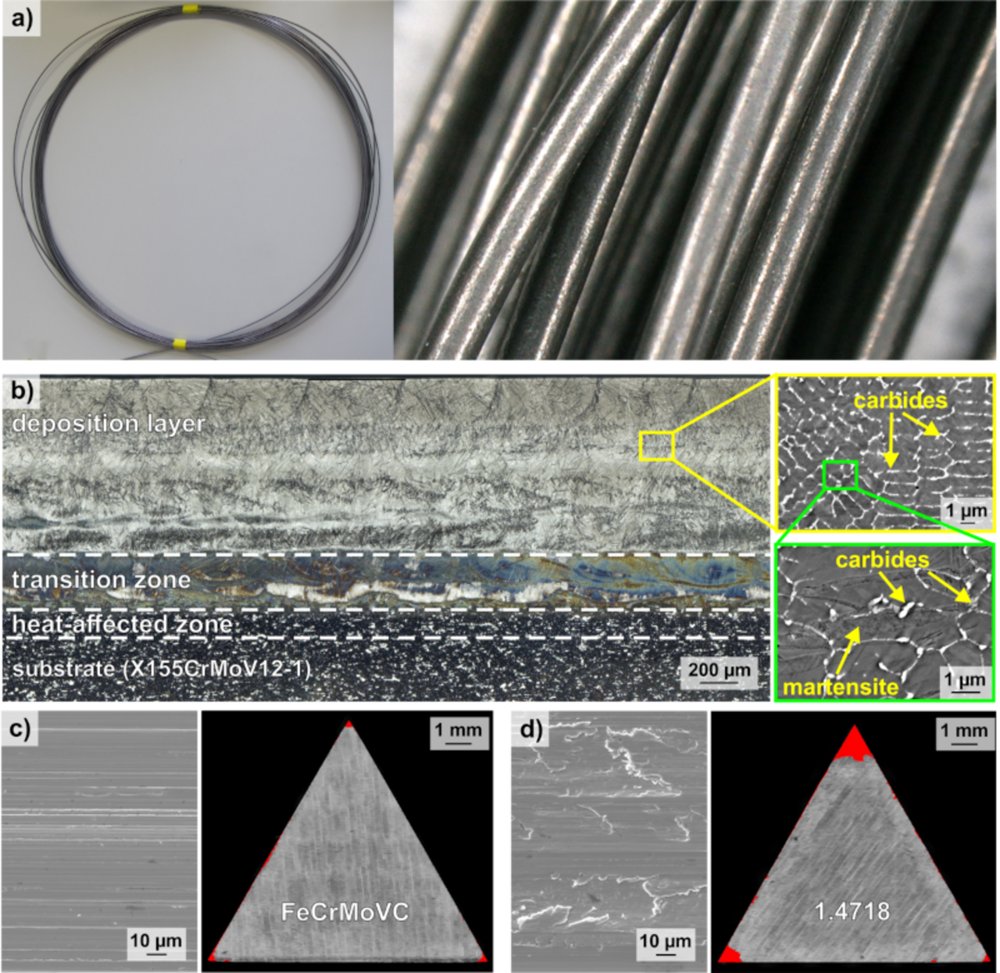 Fe85Cr4Mo8V2C1 wire filler materialLeibniz Institute for Solid State and Materials Research Dresden - IFW Dresden
Market insights
Last 30 days: Semiconductors & Electronics drew the most money: $545M.
Money raised per month