Enschede, 17 November 2026. QuiX Quantum, a Dutch-German developer of universal photonic quantum computers, has been awarded funding with Taiwanese partners Artilux Inc. and its affiliate Brillink Inc. under the TechBridge Taiwan Call 2026 – Photonics Integrated Circuits. The programme is run jointly by the Netherlands Enterprise Agency (RVO) and Taiwan's Industrial Development Administration (IDA).
The 36-month project, QSPAD, will run from January 2027 to December 2029. It aims to develop, integrate and demonstrate photonically integrated single-photon detectors that operate near room temperature.
Most advanced photonic quantum computers today depend on superconducting nanowire single-photon detectors that operate only below about 2.5 kelvin. QSPAD will develop waveguide-based germanium-silicon (GeSi) single-photon avalanche diode (SPAD) arrays operating at or near room temperature, down to –40 °C using conventional thermoelectric cooling. The detectors are CMOS-compatible and sensitive at the 1310/1550 nm telecom wavelength, and will be co-integrated with QuiX Quantum's low-loss silicon nitride photonic integrated circuits. Detector and photon-source circuits are joined through an engineered optical coupling packaged in a compact Photonic Assembly Control Unit.
QuiX Quantum plans loss-tolerant logical-qubit capabilities throughout 2028–2030 under its next-generation Dedalo architecture, with commercially deployable fault-tolerant systems targeted beyond 2030. Dedalo builds on CARINA, the universal photonic quantum computing platform the company delivered in 2026.
Under the project, QuiX Quantum contributes its silicon nitride photonic platform, photon-source design and quantum-system integration expertise. Artilux contributes GeSi single-photon detector technology and CMOS-compatible fabrication at commercial volumes, while Brillink bridges advanced packaging and testing. Each country funds its own partners, and the partners plan to begin joint work in early 2027.
"Room-temperature single-photon detection is one of the missing industrial building blocks on the path to deployable fault-tolerant quantum computers," said Stefan Hengesbach, CEO of QuiX Quantum. "This collaboration is an important step in translating our GeSi technology into a key building block for future quantum computing and network," said Dr. Erik Chen, Co-founder & CEO, Artilux Inc.
Source: QuiX Quantum news
QuiX Quantum, Artilux and Brillink have received TechBridge funding for QSPAD, a 36-month project starting January 2027 to develop near-room-temperature GeSi single-photon detectors for photonic quantum computing.
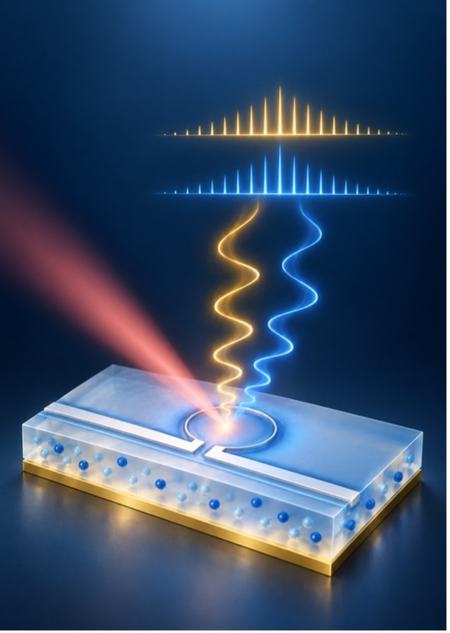
Billions of ytterbium ions in a yttrium orthovanadate crystal, coupled to a superconducting microwave resonator, synchronize through superradiance and pulse in a regular rhythm, forming a superradiant frequency comb. Unlike mirror-based combs, the spacing comes from atom-to-atom interference and the emission pairs microwaves with infrared light in step. The scheme could yield more stable combs and a microwave-optical link for connecting superconducting quantum circuits to fiber networks.
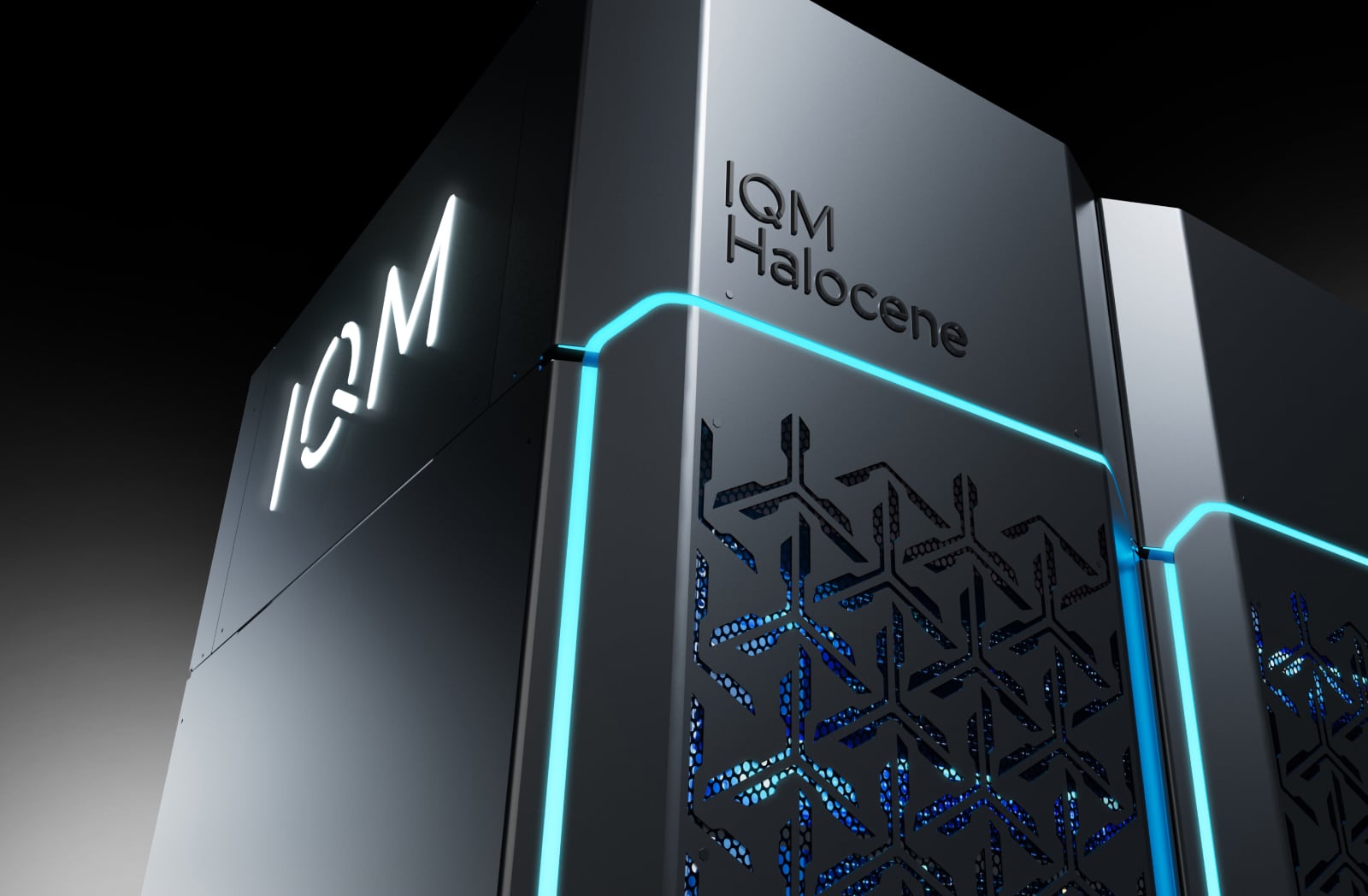
IQM announced an upgrade program for its Halocene error-correction product line, giving customers a path from a 150-qubit system to over 1,000 qubits without downtime. The HPC integration service is included with every upgrade.
This week in nanotech
$129.9M raised
6 funding rounds · 39 deals tracked
New products
 Nion-compatible In Situ STEM Holders for Electrical BiasingHummingbird Scientific Featured
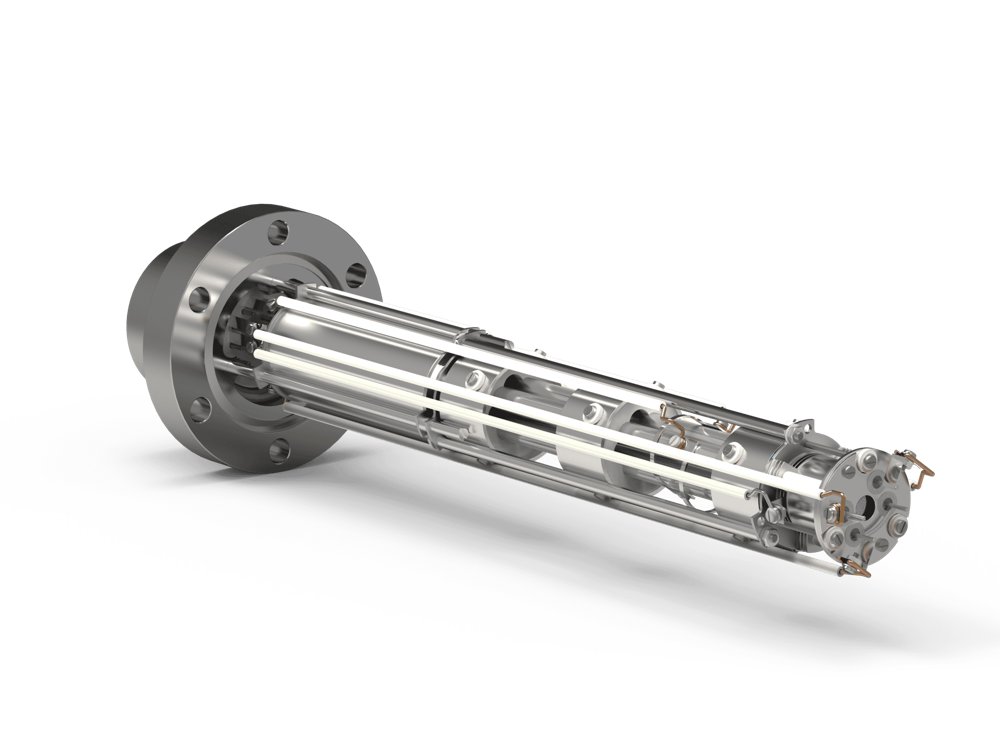 DLS-1 Mass Spectrometer for Fusion Gas AnalysisHiden Analytical Featured
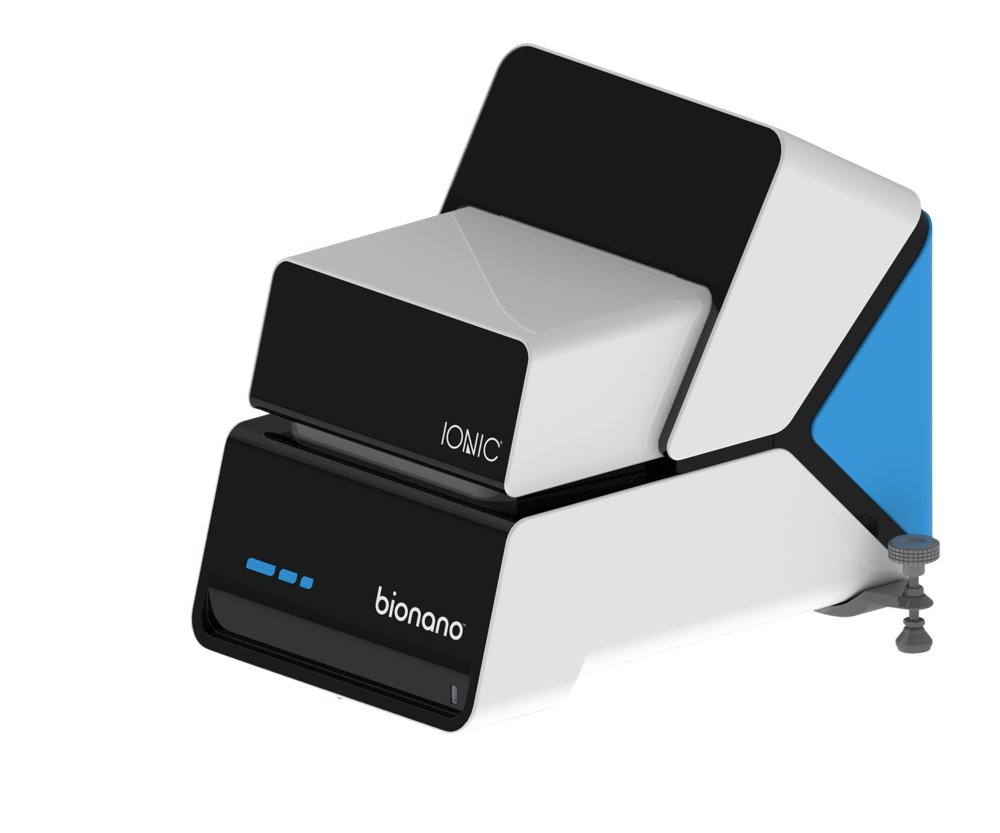 Ionic® Purification SystemBionano Genomics, Inc.
Market insights
Last 30 days: Semiconductors & Electronics drew the most money: $547.7M.
Money raised per month