
Leipzig, 17 November 2026. Leipzig-based nitrogen-vacancy (NV) diamond quantum computing company SAXON Q has announced Quantum Watchdog, a hardware-agnostic safety and diagnostic architecture engineered to detect physical hardware failures in quantum processors during live operation and transition compromised units into a safe state.
The system is designed to complement quantum error correction by catching hardware degradation, environmental drift, or tampering rather than stochastic qubit noise. It targets edge deployments in defense, robotics, and automotive environments as well as multi-QPU high-performance computing (HPC) clusters.
Quantum Watchdog operates on an independent classical processor equipped with isolated clocks, timers, and environmental sensors. It monitors physical telemetry, including power draw, temperature, and ambient magnetic fields, while periodically interleaving verified test calculations into active user workloads.
Depending on operational criticality, users can allocate up to 50% of processor runtime to diagnostic verification or restrict checks to startup and intermittent intervals. For multi-core configurations, the architecture implements dual-processor comparison or majority-voting redundancy across three or more processors to isolate and shut down malfunctioning units without halting cluster execution.
While compatible across superconducting, trapped-ion, and quantum sensing modalities, the system will first be offered as a configurable option on SAXON Q's room-temperature SXQ128 and SXQ512 multi-core processors by dedicating an onboard control circuit to safety monitoring.
Protected by granted patents in Europe, the United States, and China, Quantum Watchdog is slated for initial custom implementation in early 2027 alongside OEM and system integrator licensing. Formally safety-certified versions are scheduled to follow after independent auditing and field testing.
Source: Quantum Computing Report
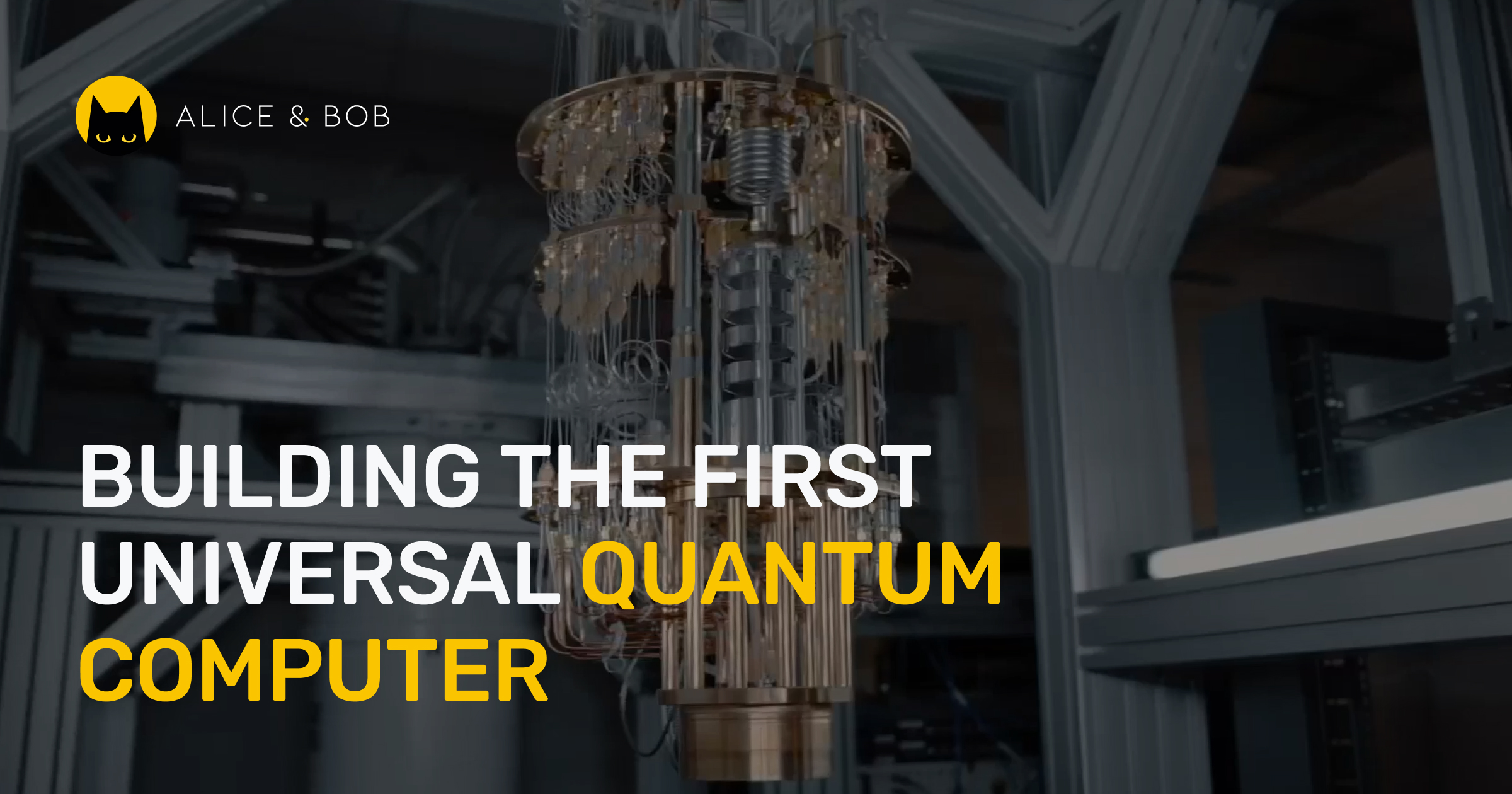
Alice & Bob has updated its modular roadmap to target 200 logical qubits by 2030, built from 3,600 physical cat qubits, double its previous goal. The plan sets milestones up to 2034.
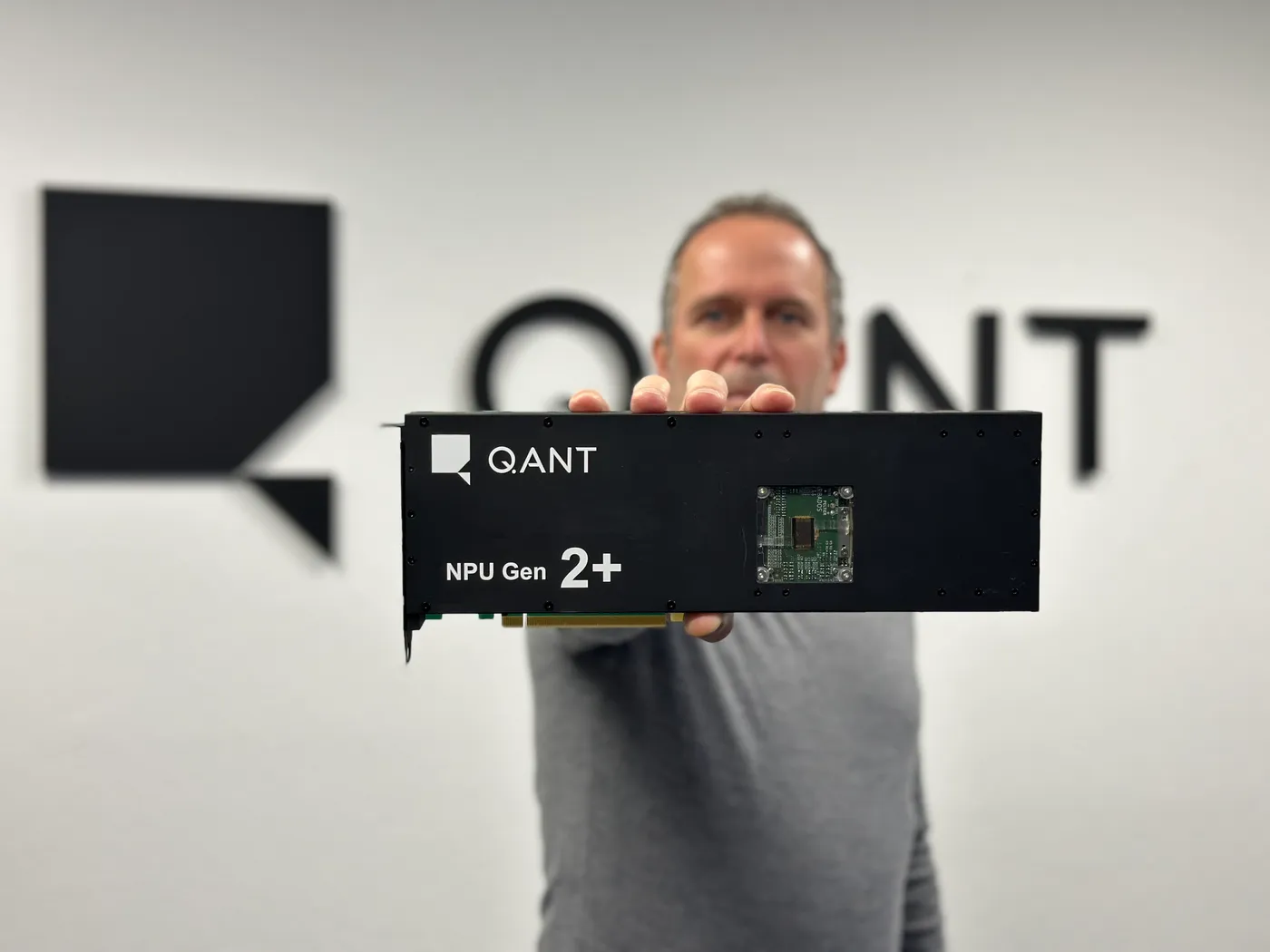
Q.ANT unveiled the NPU Gen 2+ at SC26, adding optical Discrete Fourier Transforms to its photonic processor. The company demonstrated a hybrid system with an AMD GPU running a large language model.
IBM plans to collaborate with NVIDIA and Fermilab on a modular quantum computing co-design platform that co-locates NVIDIA DGX B200 systems with IBM quantum computers, including systems powered by IBM Quantum Nighthawk.
This week in nanotech
$129.9M raised
6 funding rounds · 39 deals tracked
New products
 Ti-WCMBN Nanomaterialia Featured
 Nion-compatible In Situ STEM Holders for Electrical BiasingHummingbird Scientific Featured
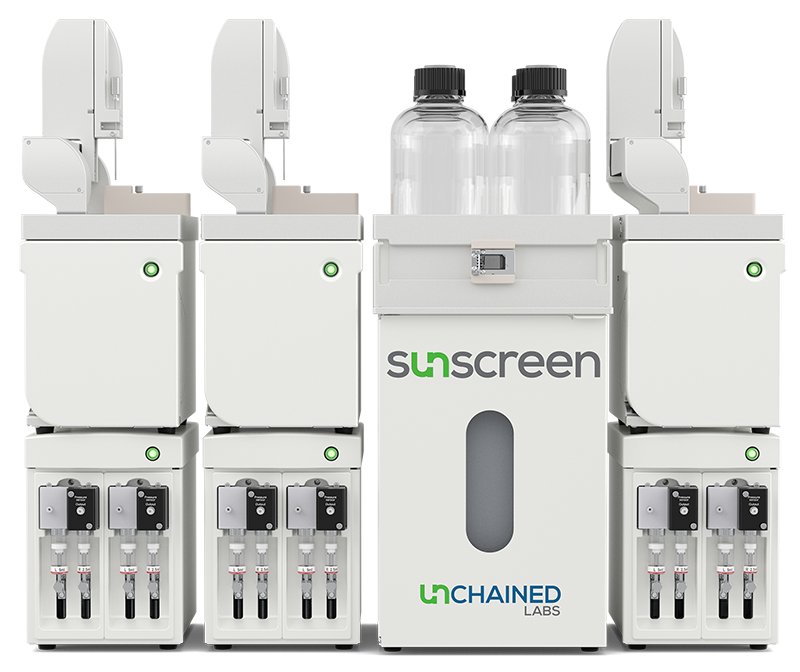 SunscreenUnchained Labs
Market insights
Last 30 days: Semiconductors & Electronics drew the most money: $547.7M.
Money raised per month