Advanced Institute for Materials Research (AIMR), Tohoku University
Every electronic device, factory and vehicle generates heat that often goes to waste. What if that energy could be recovered to generate electricity using thin films manufactured without high-temperature processing?
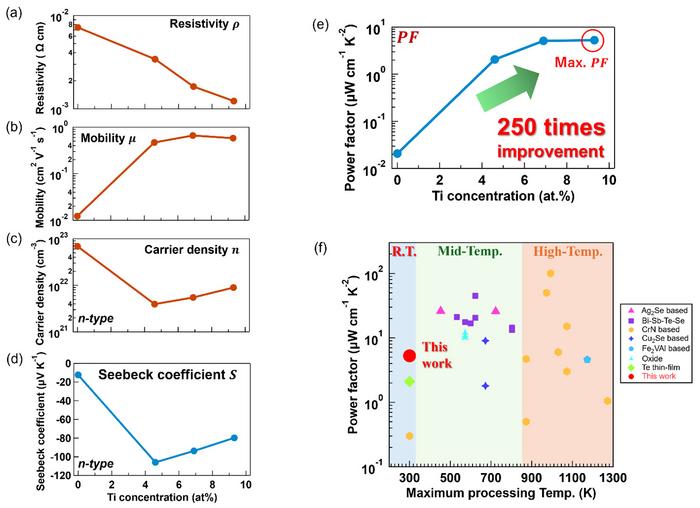
Researchers at Tohoku University have taken a step toward making this possible, developing a thermoelectric material that delivers a 250-fold increase in power factor by adding a small amount of titanium to chromium nitride. The discovery could enable more efficient energy harvesting in devices that cannot withstand high manufacturing temperatures.
"By carefully controlling defects in the material, we found a way to improve electrical transport without relying on high-temperature processing," says Yi Shuang, Assistant Professor at Tohoku University. "This approach could help expand the applications of thermoelectric materials and recover energy that would otherwise be lost as heat."
Thermoelectric materials convert temperature differences directly into electricity. Thin-film versions are particularly promising because they can be integrated into small electronic devices. However, many high-performance materials require high-temperature manufacturing or specialized substrates, limiting their applications.
The research team focused on chromium nitride (CrN), which can be deposited as a thin film at room temperature. Conventional CrN films often contain excessive nitrogen vacancies, defects that reduce thermoelectric performance. The researchers added titanium, which has a stronger affinity for nitrogen than chromium, to suppress these defects.
Using reactive sputtering, the team controlled the titanium content between 4.6 and 9.3 atomic percent. This reduced the carrier concentration while increasing electron mobility by approximately two orders of magnitude, overcoming a common trade-off between electrical conductivity and the Seebeck coefficient, which measures the voltage generated by a temperature difference.
As a result, the titanium-doped film achieved a power factor of 5.26 µW cm⁻¹ K⁻² - 250 times that of pure chromium nitride. A prototype generator fabricated on a glass substrate produced a maximum power of 455.8 nW at a temperature difference of 96 K, corresponding to a power density of 38.0 mW cm⁻² normalized by the cross-sectional area of the thin film. Its power density was comparable to that of existing high-performance thermoelectric materials requiring high-temperature processing.
The findings show how controlling material defects can improve electron mobility and carrier concentration simultaneously. Producing these films at room temperature could also enable their integration onto heat-sensitive flexible substrates and complex microdevices, potentially broadening the use of waste heat recovery technology.
Reference
Breaking the trade-off in CrN thermoelectrics via Ti doping: from room-temperature fabricated films to device-level performance
Junya Kurahashi, Yi Shuang, and Yuji Sutou
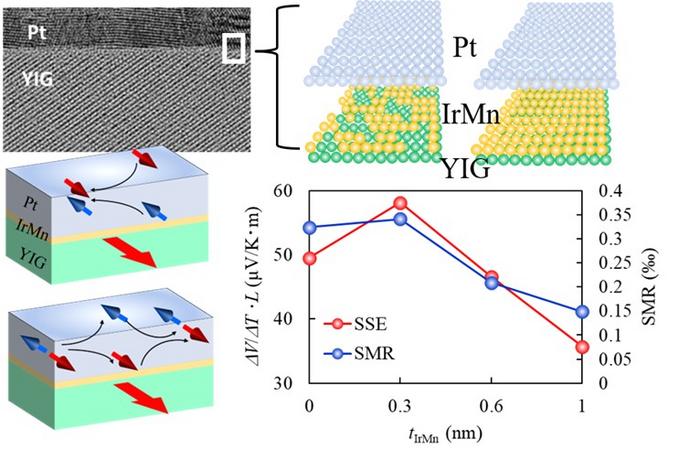
An ultrathin iridium manganese layer between yttrium iron garnet and platinum strengthens two spin-related signals, the spin Seebeck effect and spin Hall magnetoresistance, according to researchers at Kyushu University. A 0.3 nm layer produced the strongest responses, with spin mixing conductance values derived from both effects agreeing closely.
Researchers used terahertz light to probe magnetic vortices inside iron-based superconductors, separating two groups of trapped particles by their response to left and right-handed light polarization. Comparing films with different selenium content showed similar superconducting temperatures can hide very different internal behavior. The technique, demonstrated on ultrathin films, offers a new way to screen materials for magnets and other applications where vortices cause energy losses.
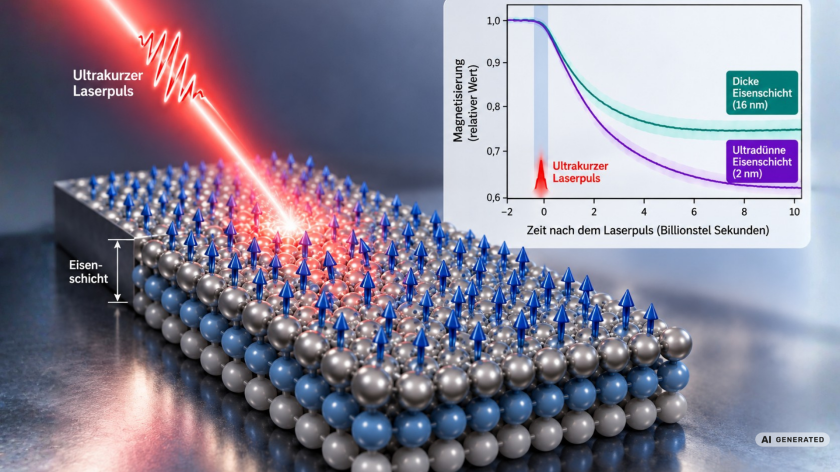
Researchers have found that thinner iron films demagnetise far more readily under laser pulses: a two nanometre layer lost about 75 per cent more magnetic order than a 16 nanometre one at equal excitation. The effect traces to magnetic order at the material interfaces, observed with ultrashort X-ray pulses at the BESSY II source. The work points toward faster magnetic data storage written by laser.
This week in nanotech
$558.4M raised
6 funding rounds · 37 deals tracked
New products
 Nion-compatible In Situ STEM Holders for Electrical BiasingHummingbird Scientific Featured
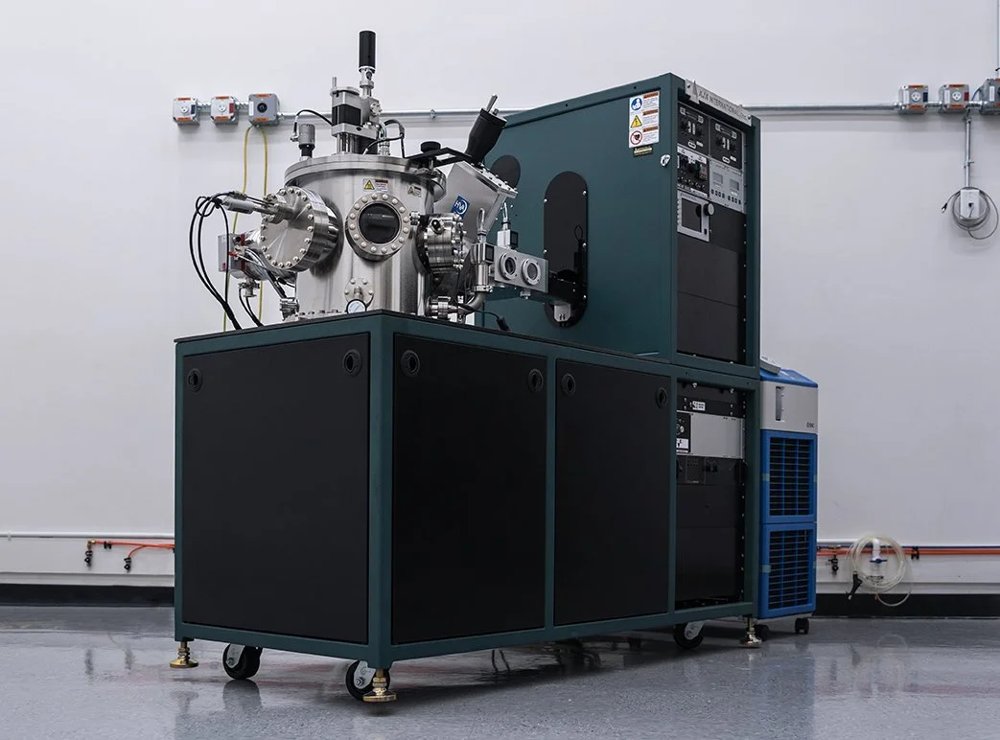 Orion Sputtering Deposition SystemsAJA International Featured
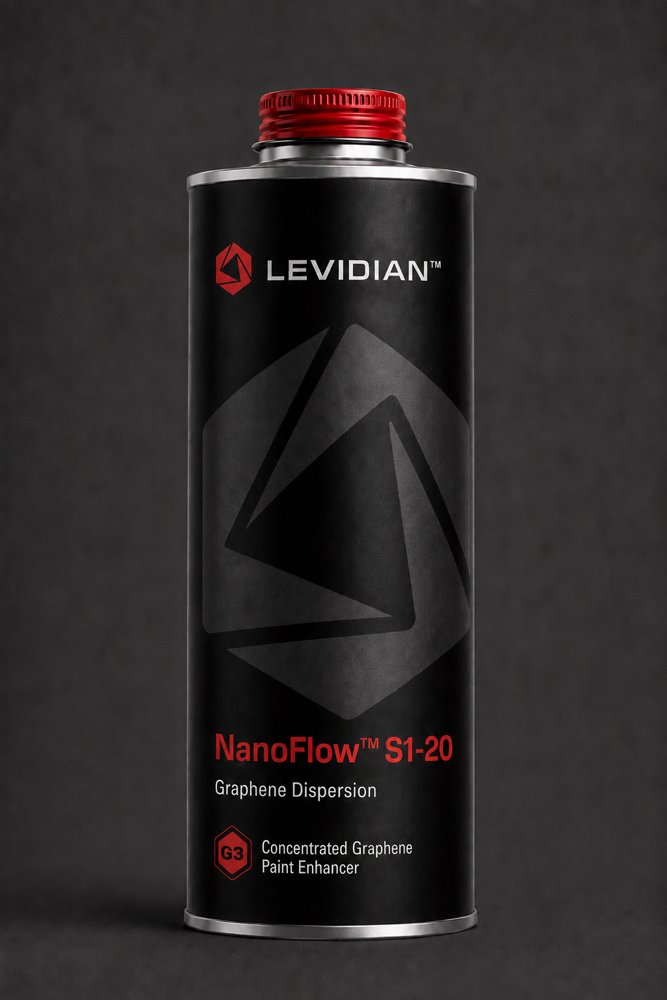 NanoFlow® S1-20Levidian
Market insights
Last 30 days: Quantum Technologies drew the most money: $2.15B.
Money raised per month