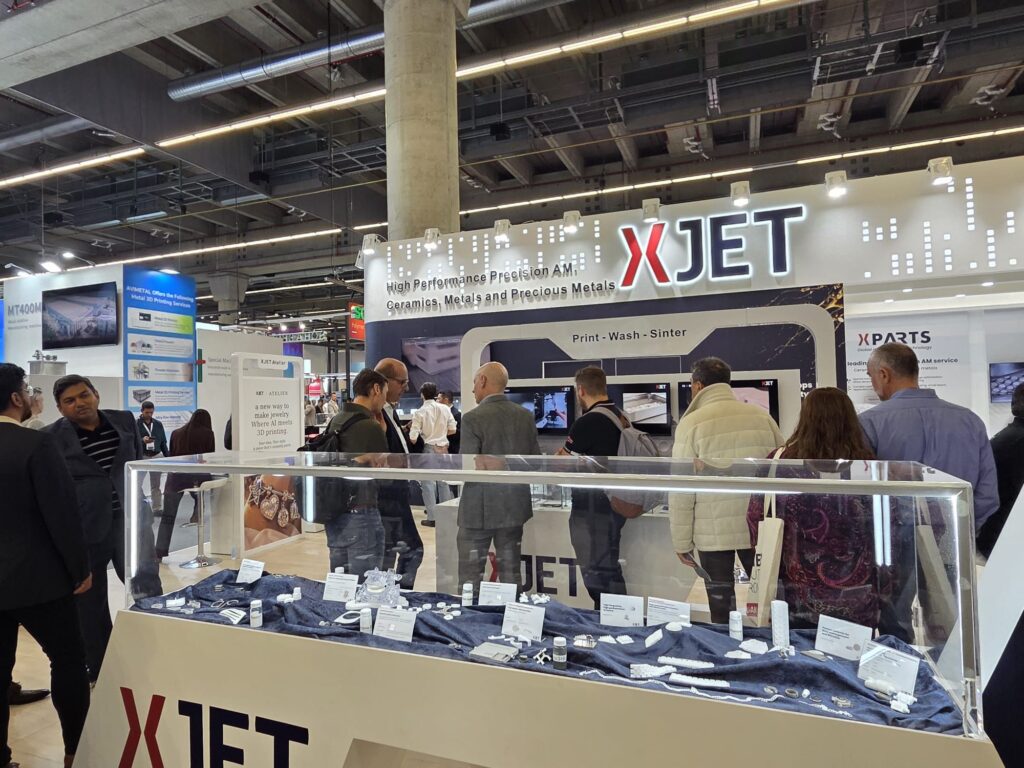
XJet will present its expanded NanoParticle Jetting (NPJ) platform at Formnext 2026, adding an on-demand manufacturing service called XPARTS and an AI-assisted jewelry design tool called XJet Atelier. The company will exhibit at Hall 11.0, Booth C21, in Frankfurt, Germany, from November 17 to 20.
XPARTS gives customers access to XJet's materials, engineering expertise and production capabilities without buying a printer. The service covers application assessment, prototyping, validation, small batches and serial production, with access to the full XJet materials portfolio and joint or customized material development.
"We are making the full capabilities of XJet available to more customers, whether they need finished parts, their own production system or a way to turn a personalized design into jewelry," said Guy Zimmerman, CEO of XJet.
XJet's materials portfolio covers technical ceramics, stainless steel, copper alloys and precious metals, including Sterling Silver, gold alloys and Platinum 950. Where a standard material does not meet an application's requirements, customers can pursue joint development with XJet. NPJ uses liquid dispersions containing metal or ceramic particles alongside a separately jetted soluble support material. Its Print-Wash-Sinter workflow allows fine features and complex internal geometries, with support removal before sintering.
XJet said it has secured first customer orders for Carmel Pro and Carmel ORO ahead of manufacturing completion. Carmel Pro is a compact, flexible NPJ platform for advanced metal and ceramic applications. Carmel ORO is purpose-built for precious-metal jewelry manufacturing.
XJet Atelier makes its global premiere at the show. It connects AI-assisted personalized jewelry design with XJet's manufacturing workflow. Users can start with a few words or a photo, refine charm designs and preview their creation in 360° before moving toward physical production through the NPJ workflow. XJet will display parts and applications alongside a dedicated XPARTS station and the Atelier experience.
Source: XJet news
Tekna's Materials business area received orders totalling CAD 1.64 million for Ti64 titanium alloy powder from a distributor serving medical device manufacturers. Delivery is expected throughout 2027.
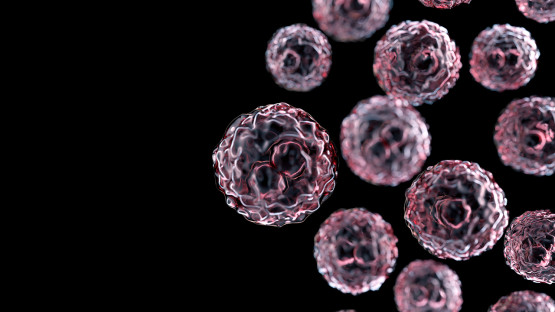
Cornell and Pacific Northwest National Laboratory researchers have developed a predictive model for how crystals such as calcite incorporate silica nanoparticles, revealing that the energy needed to cross water layers at the crystal surface strongly governs uptake, and that amines rather than carboxylic acids bind best.
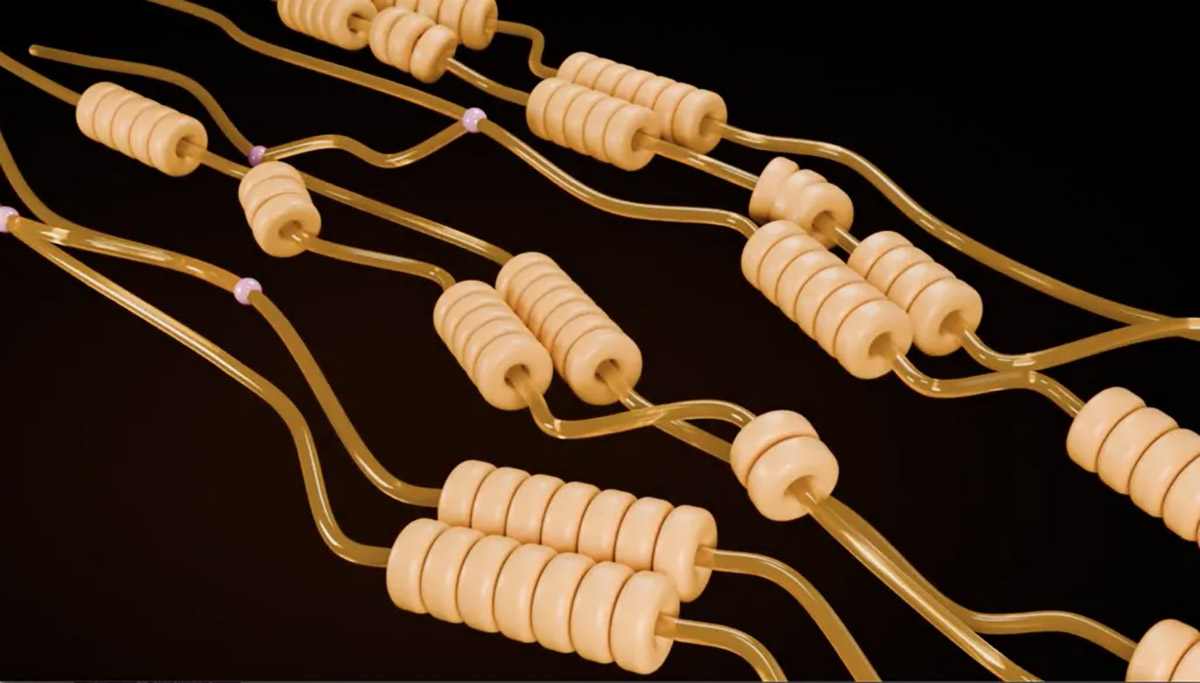
A polymer hydrogel that grows stronger under repeated bending and strain has been developed by chemists, who report the material survived 10,000 bending cycles in tests on a knee-like joint. Made from a biodegradable blend of sugar crystals and polyethylene glycol, the 3D printable material uses sliding cyclodextrin rings to reinforce stressed regions, mimicking collagen.
This week in nanotech
$18.9M raised
4 funding rounds · 31 deals tracked
New products
 Nion-compatible In Situ STEM Holders for Electrical BiasingHummingbird Scientific Featured
 DLS-1 Mass Spectrometer for Fusion Gas AnalysisHiden Analytical Featured
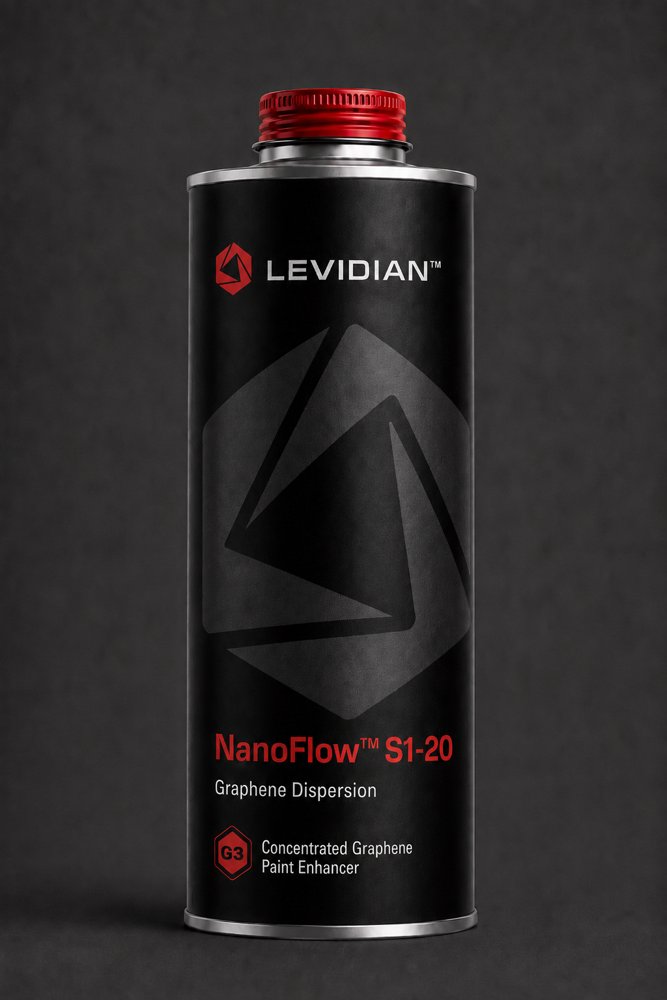 NanoFlow® S1-20Levidian
Market insights
Last 30 days: Semiconductors & Electronics was the busiest vertical: 52 of 170 events (31%).
Money raised per month