AMD and IQM are demonstrating how quantum computing and GPU-accelerated high-performance computing can work together in a unified scientific workflow. Using an IQM quantum computer and an AMD GPU powered by ROCm, the collaboration divides a chemistry problem across quantum and classical compute, with each architecture handling the work it is best suited to perform.
The workflow calculates a molecule's ground state and ground-state energy: the configuration and lowest possible energy of its electrons. The method is called Quantum-Selected Configuration Interaction (QSCI). The quantum computer narrows an exponentially large search down to the electron configurations worth examining, and the GPU solves the problem that remains.
In the pipeline, each qubit stands for one orbital an electron can occupy. A trained circuit prepares a state that approximates the molecule's ground state, and each measurement returns one electron configuration, with the important ones coming up most often. The AMD GPU filters out unphysical samples, builds the Hamiltonian matrix over the remaining configurations, and diagonalizes it using JAX on AMD ROCm.
The full QSCI pipeline was run on hydrogen (H₂, STO-3G basis), first on a simulator and then on the IQM Garnet quantum computer through IQM Resonance, IQM's cloud platform. Both runs were checked against an exact classical solution across all 17 bond lengths measured on real IQM hardware. The release states that the run does not show quantum advantage and is not meant to.
The workflow is open and reproducible. The full tutorial is available as a Jupyter notebook at IQM Academy, and users need an IQM Resonance account and access to the AMD Developer Cloud or their own AMD GPUs. AMD offers developer credits on request, and the simulator path works without GPU or quantum credits.
AMD and IQM said work is underway on two next steps: tighter integration, connecting GPU nodes and quantum processors more directly, and scale, running larger molecules to find where QSCI hits its limits. The method is expected to start paying off at around eight qubits and above.
Source: IQM Quantum Computers news
Qblox has integrated NVIDIA DGX Spark with a quantum system controller using NVIDIA NVQLink, with measured roundtrip latency below 4.0 µs on NVIDIA RTX PRO 6000 Blackwell and below 7.2 µs on DGX Spark.
Riverlane and NVIDIA are collaborating on AI and NVIDIA accelerated computing for quantum error correction. Using the Local Clustering Decoder, a surface code training cycle that took three minutes on a single-core CPU now takes 2.8 seconds.
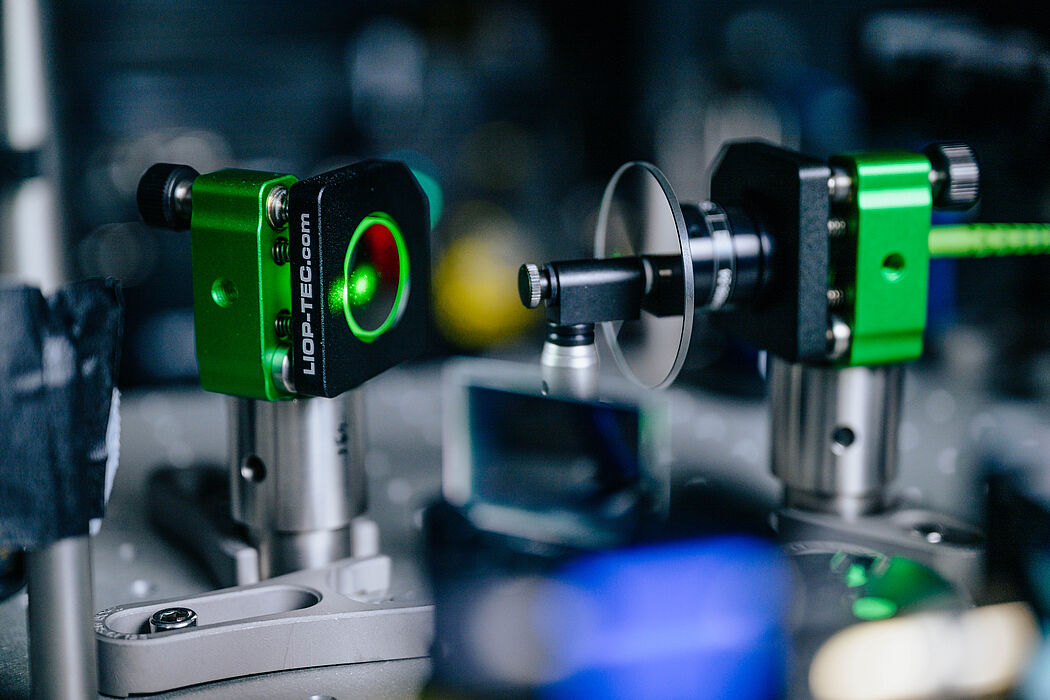
An international team has demonstrated photonic entanglement swapping between entangled photon pairs from two separate gallium arsenide quantum dots, teleporting entanglement between photons that never interacted. Reported in Science Advances, the work reached a fidelity of up to 0.71, well above the classical limit, using on-demand quantum emitters integrated into circular Bragg resonators and tuned with piezoelectric actuators.
This week in nanotech
$9M raised
1 funding round · 22 deals tracked
New products
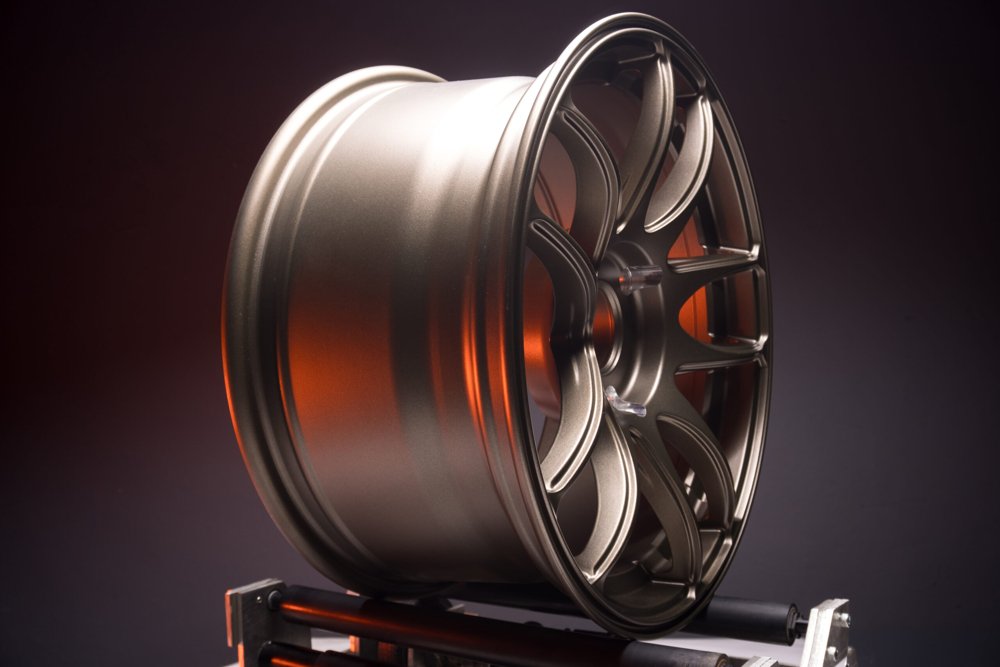 Ti-WCMBN Nanomaterialia Featured
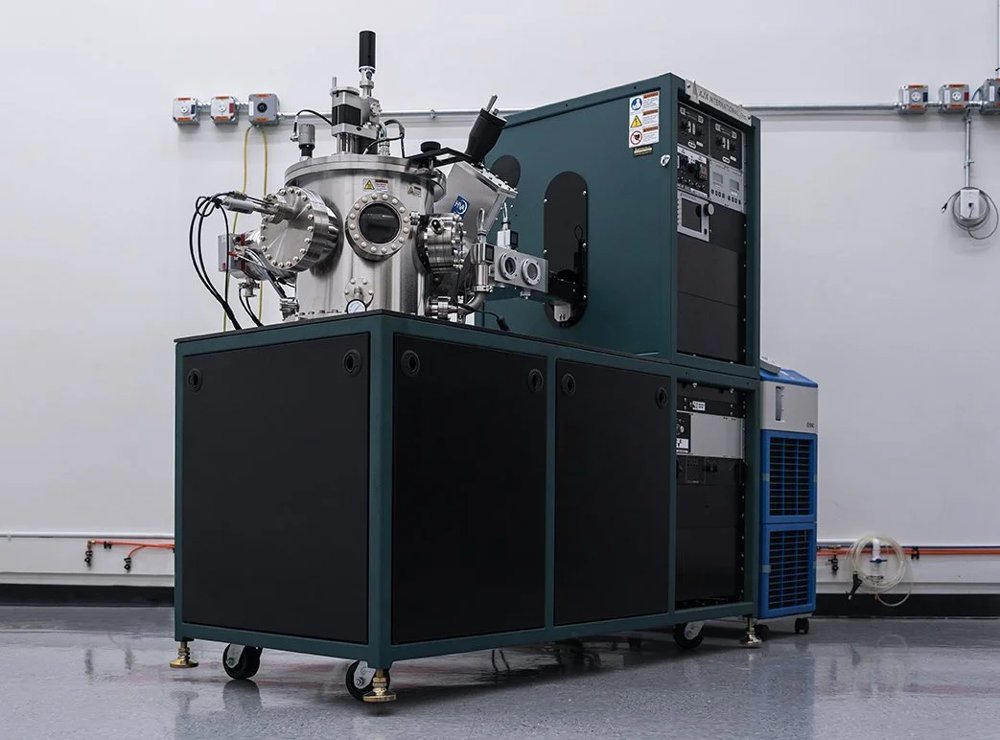 Orion Sputtering Deposition SystemsAJA International Featured
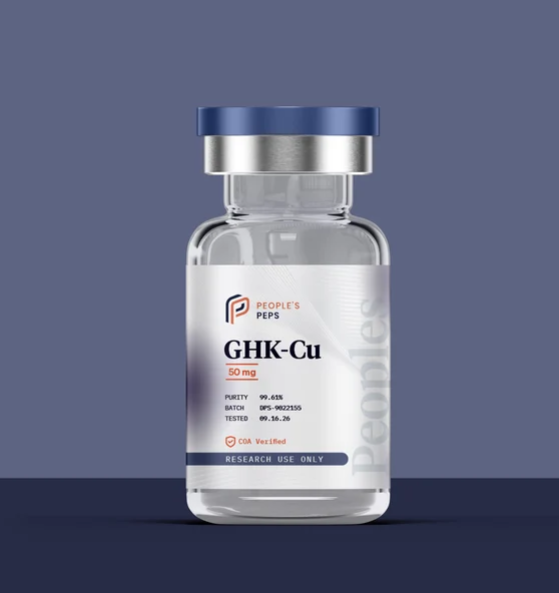 GHK-CuPeoples Peps
Market insights
Last 30 days: Quantum Technologies was the busiest vertical: 59 of 192 events (31%).
Money raised per month