Helsinki, 2 November 2026. ROTOBOOST, a Finnish energy transition technology company, announced a strategic investment from Aramco Ventures, the corporate venturing arm of Aramco. The sum was not disclosed. ROTOBOOST said the investment will support scaling of its proprietary methane-splitting technology.
The process uses a molten catalyst to convert natural gas (C1-C6) and other hydrocarbon feedstocks into low-carbon hydrogen and advanced carbon materials such as Crumpled Graphene Nanoplatelets (CGNPs). ROTOBOOST describes CGNPs as having a unique 3D crumpled structure that delivers higher conductivity and performance at lower cost. Unlike steam methane reforming (SMR), which produces significant CO2 emissions, or water electrolysis, which is electricity-intensive, the process produces low-carbon hydrogen and solid carbon materials at the same time.
ROTOBOOST said the investment will support acceleration of its expansion across multiple dimensions, without giving further detail on the use of funds or a timeline. The company was founded in 2022 and states it is the first in methane pyrolysis to receive TUV SUD dual-product stream lifecycle carbon footprint certification. It also holds class approvals from ABS, Lloyd's Register, Bureau Veritas and RINA, and lists partnerships with PETRONAS, Hankook Tire and Baowu.
Kaisa Nikulainen, CEO of ROTOBOOST, said: "Securing investment from Aramco Ventures, the corporate venturing arm of Aramco supports our vision that methane-splitting can drive industrial decarbonization efforts."
Zayed Alamri, Executive Managing Director at Aramco Ventures, said: "ROTOBOOST aims to develop methane-splitting technology to produce hydrogen and solid carbon materials for potential use in batteries, anti-corrosion coatings and polymers." Aramco Ventures is the venture capital arm of Aramco, with $7.5 billion in committed capital across four venturing programs, and is headquartered in Dhahran.
Source: ROTOBOOST news
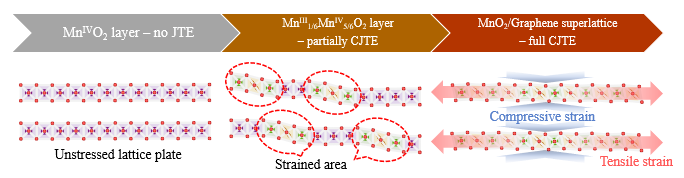
Scientists from the National Graphene Institute at The University of Manchester and the University of Technology Sydney have developed a new way to improve the lifespan of zinc-ion batteries, offering a safer and more sustainable option for energy storage.
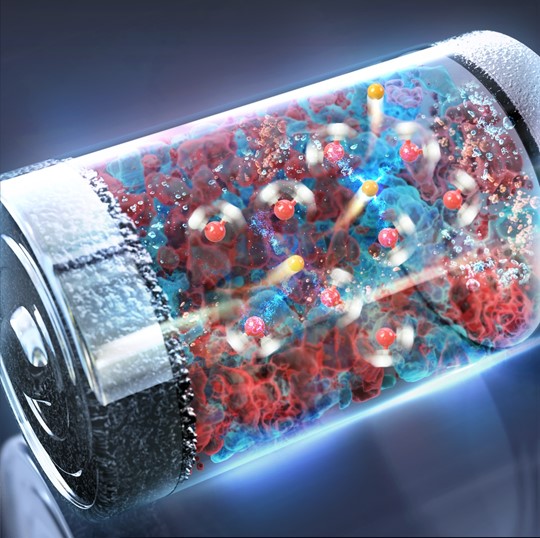
Microscopic understanding of solvation structure reveals heterogeneity in the superconcentrated water-in-salt electrolytes - Lithium-ion...
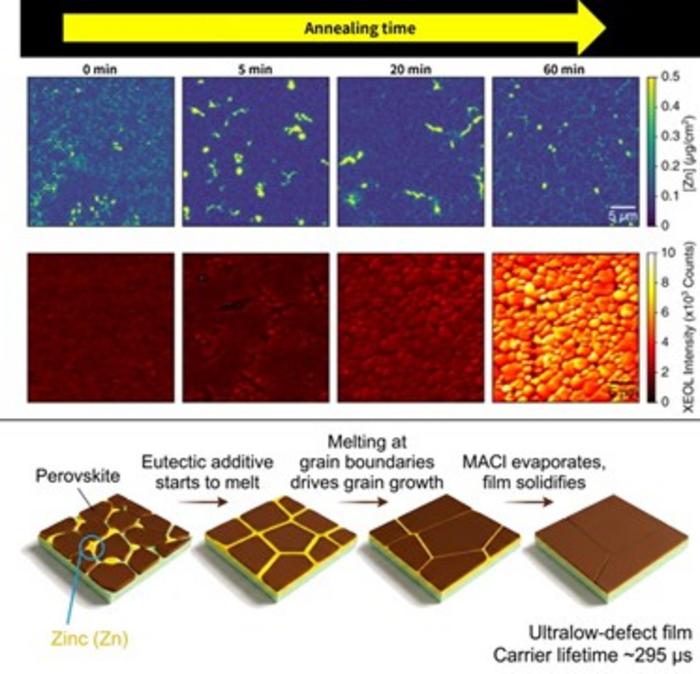
A eutectic mixture of methylammonium chloride and a zinc halide melts at about 100 degrees Celsius, forming a transient liquid layer at perovskite grain boundaries that lets crystals merge into larger, cleaner grains. The resulting films reached a carrier lifetime of roughly 295 microseconds and a surface recombination velocity of 0.3 cm/s, the lowest reported for lead halide perovskites.
This week in nanotech
$13.6M raised
3 funding rounds · 20 deals tracked
New products
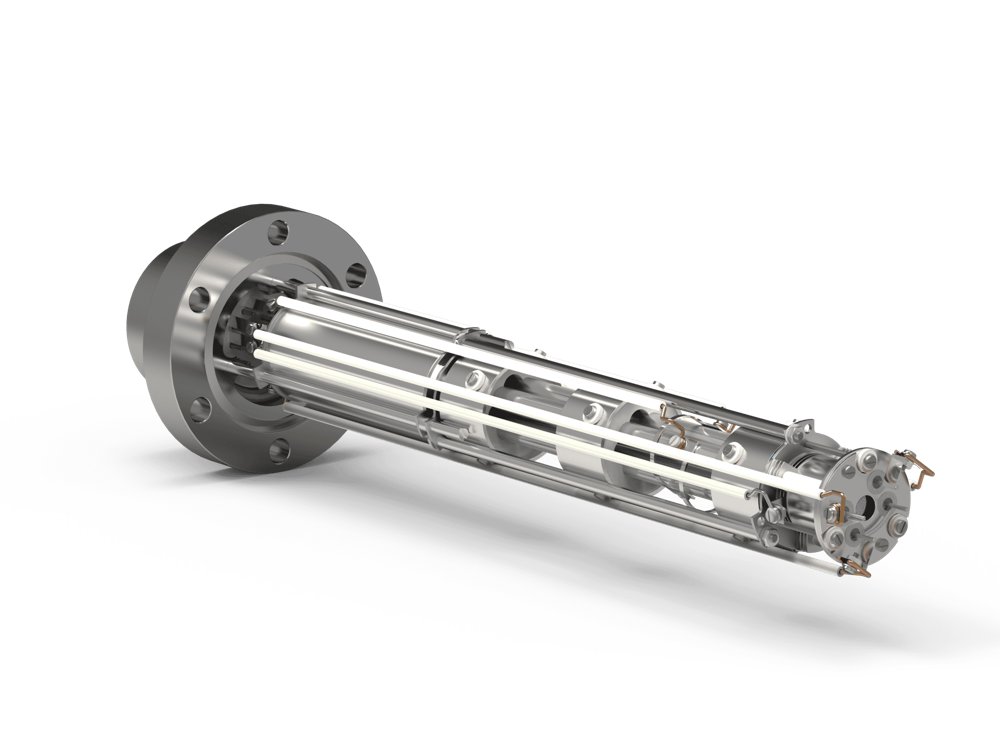 DLS-1 Mass Spectrometer for Fusion Gas AnalysisHiden Analytical Featured
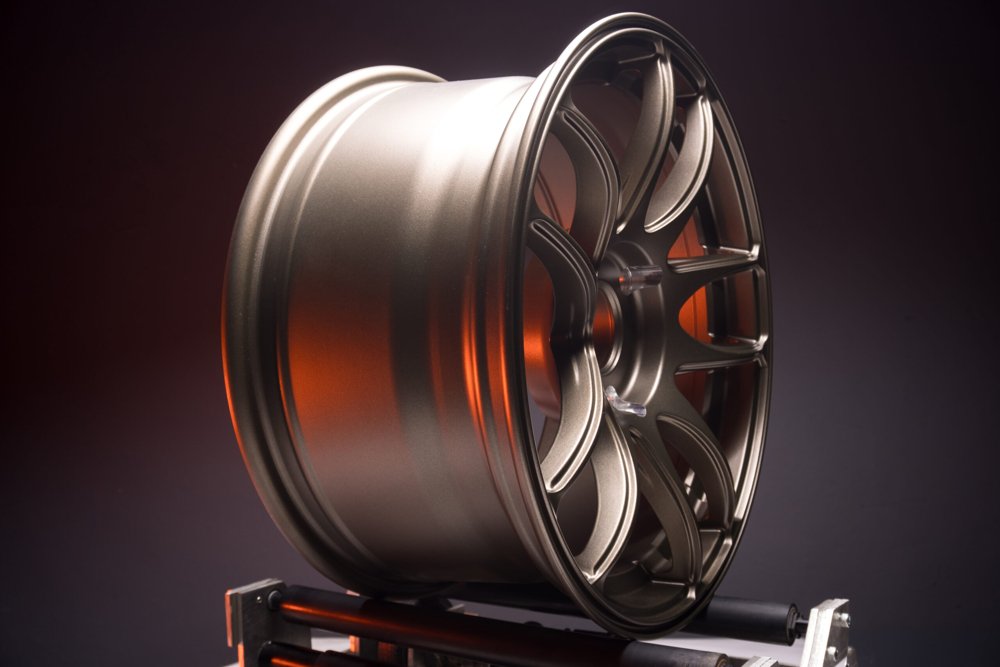 Ti-WCMBN Nanomaterialia Featured
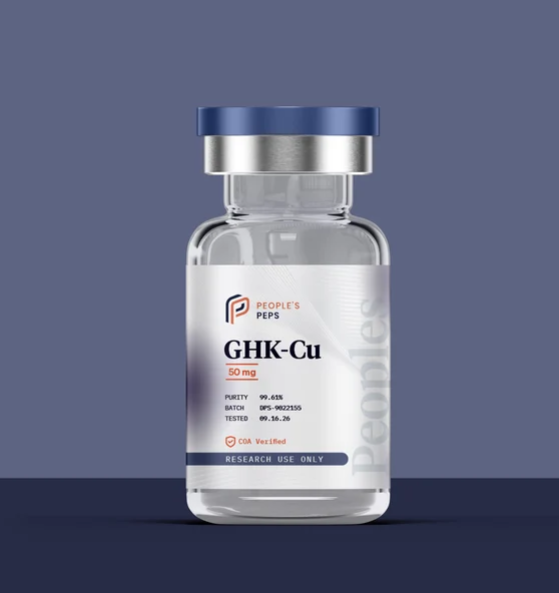 GHK-CuPeoples Peps
Market insights
Last 30 days: Quantum Technologies was the busiest vertical: 61 of 192 events (32%).
Money raised per month