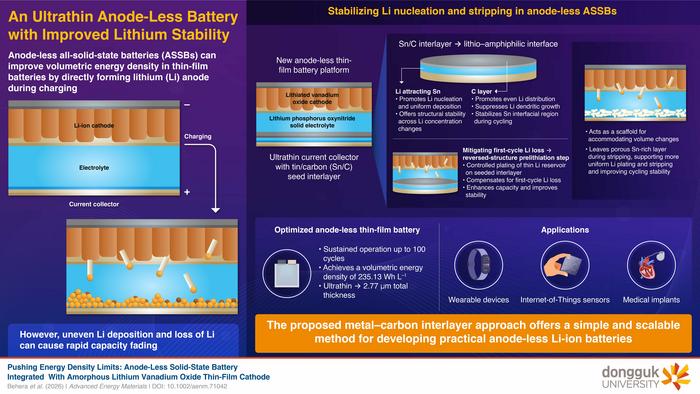
All-solid-state batteries (ASSBs) are emerging as promising candidates for next-generation energy storage technologies because they use solid electrolytes instead of liquid electrolytes, offering potential advantages in safety and energy density. However, lithium (Li)-based ASSBs can suffer from instabilities caused by nonuniform plating and stripping of Li metal during operation.
A promising solution is the anode-less ASSB, in which lithium from the cathode deposits directly onto a bare current collector during the first charge, forming the anode in situ. This architecture enhances volumetric energy density and simplifies fabrication, particularly for thin-film batteries. However, it is vulnerable to lithium loss caused by uneven deposition, electrically isolated “dead” lithium, or loss of contact with the solid electrolyte during stripping, compromising battery stability and capacity.
To address these issues, a research team led by Professor Hyun-Suk Kim from the Department of Energy and Materials Engineering at Dongguk University in South Korea, has developed an anode-less thin film battery platform using an ultrathin tin/carbon (Sn/C) interlayer on the current collector to guide Li deposition. “Our interlayer acts as a seed for Li nucleation, promoting uniform Li plating and reducing Li loss and improving the reversibility of repeated charging and discharging,” explains Prof. Kim. Their study was made available online on May 07, 2026, and published in Volume 16, Issue 31 of Advanced Energy Materials on August 19, 2026.
The researchers first systematically screened carbon-only, metal-only, and metal/carbon coatings on current collectors. Through this analysis, they found that introducing a seed/interlayer helps promote more uniform Li nucleation and plating in anode-less conditions. Among the tested configurations, Sn/C coating on a bare copper (Cu) current collector emerged as the best-performing overall configuration, demonstrating favorable Li nucleation, deposition behavior, and interfacial stability in experiments.
The team further investigated how the Sn/C bilayer improves battery performance. They found that the Sn layer promotes Li nucleation by lowering the energy barrier and enhances interfacial Li formation, while the carbon overlayer helps regulate Li growth, potentially mitigating uneven deposition and helping stabilize the Sn-Li interfacial region. The researchers also incorporated a prelithiation step after fabricating the Sn/C-coated Cu (Cu@Sn/C) current collector. In this step, a thin metallic Li layer was deposited on the modified current collector to serve as a Li reservoir that compensates for Li loss during initial cycling and supports more stable battery operation.
The resulting anode-less thin-film battery, comprising a lithium vanadium oxide (LVO) cathode, a lithium phosphorus oxynitride (LiPON) solid electrolyte, and the ultrathin Cu@Sn/C current collector, achieved a volumetric energy density of 235.13 Wh/L at the 100th cycle at a reported rate of 0.01 C. Moreover, the battery had an overall thickness of just 2.77 micrometers. The researchers also found that during initial Li plating, a three-dimensionally textured Sn/Li–Sn region formed within the interlayer and could accommodate volume and morphological changes during subsequent cycles, helping maintain interfacial stability.
“Our approach shows how interface engineering and lithium-inventory management can improve anode-less thin-film batteries,” remarks Prof. Kim. “This approach could support the development of ultrathin batteries for wearable electronics, IoT sensors, and medical devices, as well as scalable anode-less ASSBs for industrial-scale power.”
Overall, this study demonstrates an innovative approach to addressing the challenges of anode-less ASSBs, paving the way for higher capacity and longer-lasting batteries.
Reference
Pushing Energy Density Limits: Anode-Less Solid-State Battery Integrated with Amorphous Lithium Vanadium Oxide Thin-Film Cathode
Subhashree Behera, Dae‐Kwon Boo, Junki Lee, Un Hwan Lee, Yun Chang Park, Joonhee Kang, Jong Min Yuk, Ji‐Won Jung, and Hyun‐Suk Kim
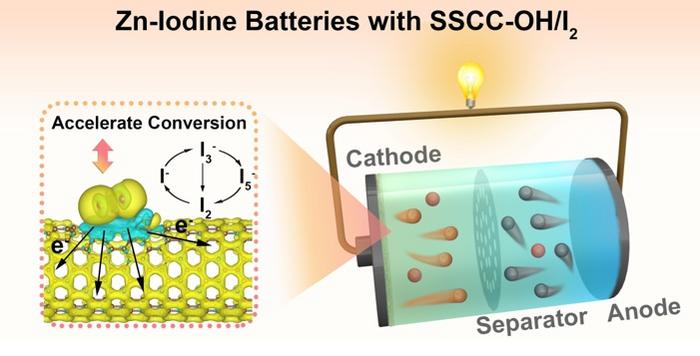
Researchers at Jilin University and the Changchun Institute of Applied Chemistry have shown that hydroxyl functional groups on self-supporting carbon nanotube cathodes stabilize aqueous zinc-iodine batteries. Density functional theory guided the choice of surface groups, and the hydroxyl-modified cathode confined iodine species within its porous nanotube channels. It retained 89.34% of capacity after more than 10,000 cycles and suppressed the iodine shuttle effect.

An approximately 3 nm ALD aluminium oxide buffer protected perovskite-silicon tandem devices during ITO sputtering, allowing tandem efficiencies above 26%. The layers were deposited on a Kurt J. Lesker inert-atmosphere platform.
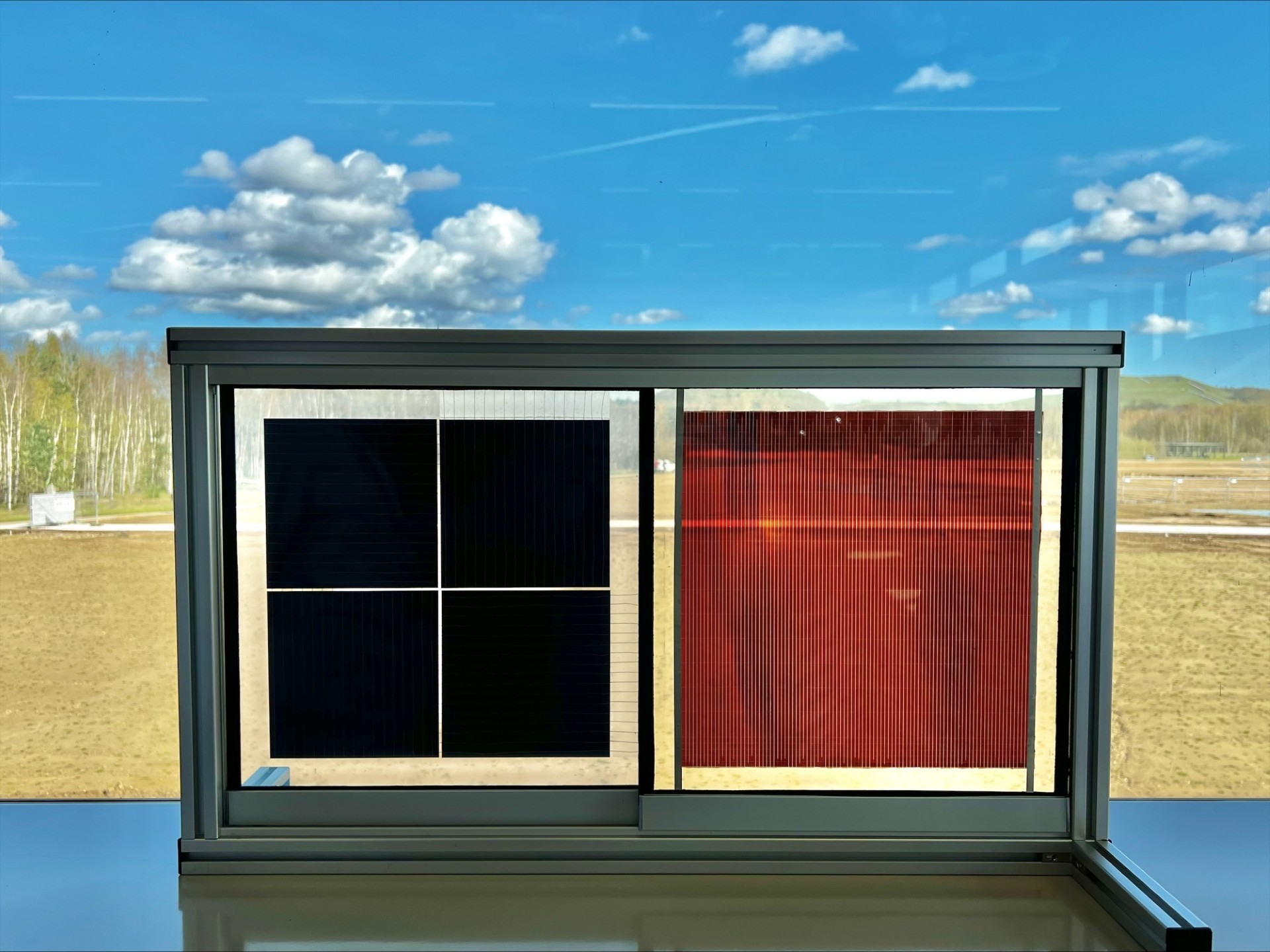
Noak, a spin-off of imec and Hasselt University, has secured €5 million in seed funding to industrialize perovskite-silicon tandem solar cells, which promise conversion efficiencies of 30 to 35 percent compared with the roughly 27 percent practical limit of conventional silicon. The technology rests on proprietary perovskite layer stacks and scalable deposition methods, backed by five years of outdoor testing at more than ten sites across three continents.
This week in nanotech
$13.6M raised
2 funding rounds · 22 deals tracked
New products
 Nion-compatible In Situ STEM Holders for Electrical BiasingHummingbird Scientific Featured
 Ti-WCMBN Nanomaterialia Featured
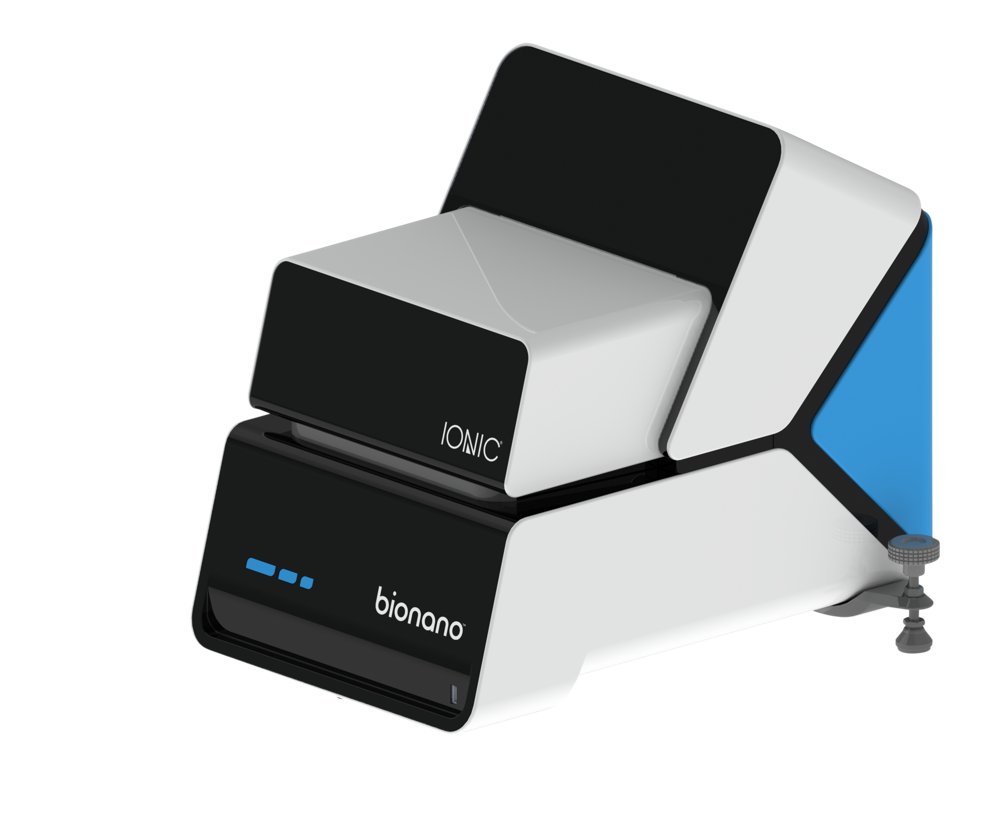 Ionic® Purification SystemBionano Genomics, Inc.
Market insights
Last 30 days: Quantum Technologies was the busiest vertical: 63 of 197 events (32%).
Money raised per month