Max Planck Institute for Polymer Research
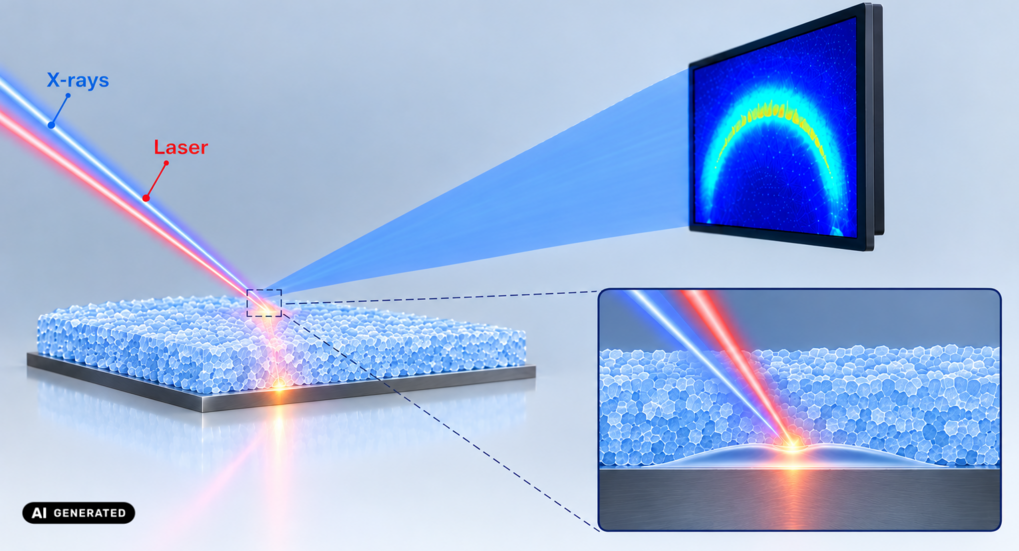
Put a drop of water into a very hot pan and it can skitter across the surface on a cushion of vapor. This is known as the Leidenfrost effect. Now, scientists have observed a related phenomenon involving ice and an extremely hot surface – on a length scale of nanometers and within nanoseconds. The effect was discovered and investigated by an international team of researchers at the FXE instrument at European XFEL and could influence, for instance, laser processing, data storage technologies, and catalysis. The results have been published in the Nature portfolio journal Communications Chemistry.
In the experiment, the scientists heated a platinum film beneath an ultra-thin layer of amorphous ice, i.e., a non-crystalline glassy form of ice. They found, unexpectedly, that the ice barely warmed or changed structure on nanosecond timescales.
"This result is an example of how scientific research can take you in unexpected directions. What started as an experiment to study the phase transitions of amorphous ice revealed an anomalous interfacial energy transport that can be explained by the formation of an insulating vapor layer," said Tobias Eklund, Ph.D. student at European XFEL and Johannes Gutenberg University Mainz (JGU).
"An odd measurement result, some careful analysis and modeling, and some new science," added Christopher Milne, group leader at the FXE instrument, where the experiment was conducted.
X-ray measurements, together with computer simulations, indicate that the rapid heating creates a vapor gap around six nanometers thick between the platinum and the ice. This tiny gap acts as a thermal barrier, strongly reducing the flow of heat. The findings show that under extremely rapid heating, the boundary where the metal and the ice meet can reorganize itself. Rather than passing directly from the metal into the ice, heat is blocked by the newly formed vapor layer in a way that conventional heat-transfer models do not predict.
"It's amazing to see how water can still surprise us. The results are important for our understanding of water and ice in the atmosphere but also in outer space, where amorphous ice attaches to tiny dust grains," added Professor Katrin Amann-Winkel, Principal Investigator from JGU and group leader at the Max Planck Institute for Polymer Research.
The researchers now hope to investigate whether similar insulating layers can form at other material interfaces exposed to rapid heating.
Reference
Formation of nanoscale vapour films governing thermal resistance in amorphous ice
Liu, Y., Eklund, T., Karina, A. et al.
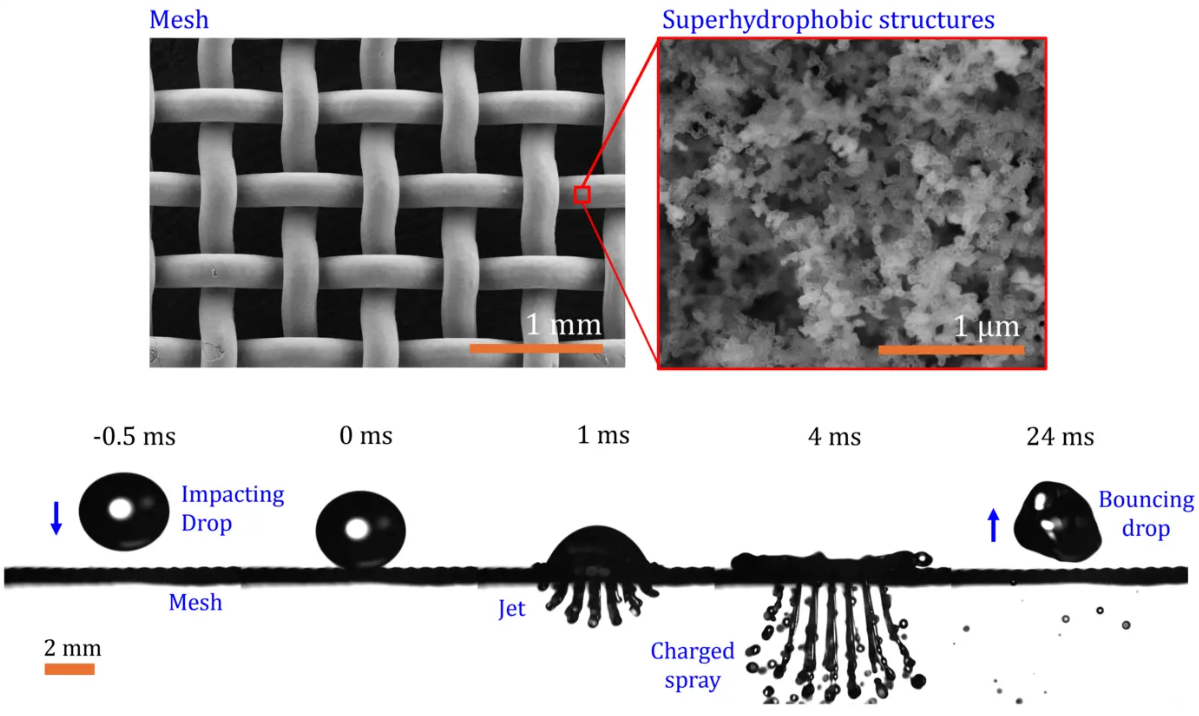
Water droplets shattering on superhydrophobic nets can generate usable electric charge, and a team from Tohoku University and the Max Planck Institute for Polymer Research has mapped how to maximise it. Combining charge measurements with high-speed imaging, the researchers tracked droplet breakup into fine secondary spray and showed that charge-to-mass ratios rise as mesh size and wire diameter shrink. The findings offer a design basis for sustainable rain-powered electricity generation.
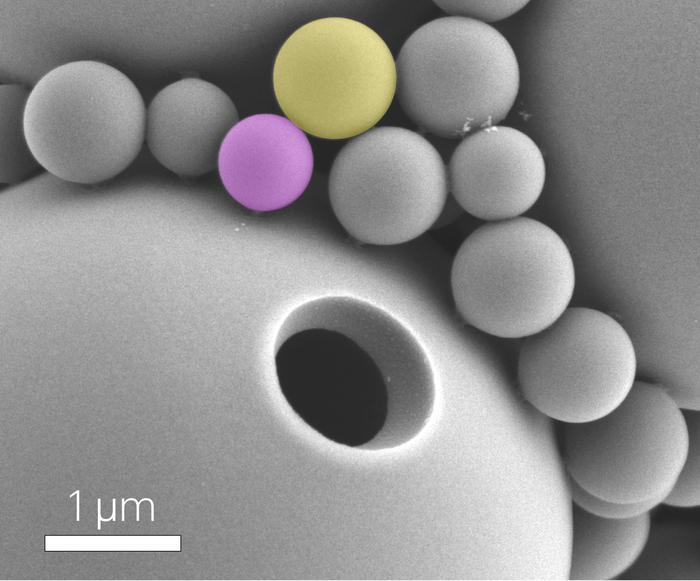
Researchers have fabricated hollow polymer capsules with single openings that use surrounding turbulence, not chemistry, to selectively take in or expel particles, an effect they call the PAC-MAN effect. The shell shields its interior to create a calm pocket, and only swirls smaller than the hole enter, so hole geometry decides which particles are captured or excluded.
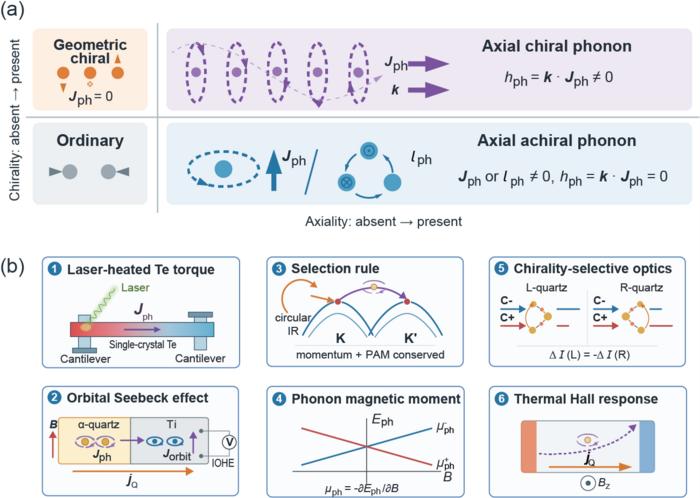
Chiral phonons, lattice vibrations whose atoms move along circular or elliptical paths and carry angular momentum, are the subject of a new perspective in National Science Review. The authors summarize a symmetry-based classification that separates axiality from chirality, offering a framework for the varied phenomena these vibrations produce.
This week in nanotech
$18.9M raised
4 funding rounds · 31 deals tracked
New products
 DLS-1 Mass Spectrometer for Fusion Gas AnalysisHiden Analytical Featured
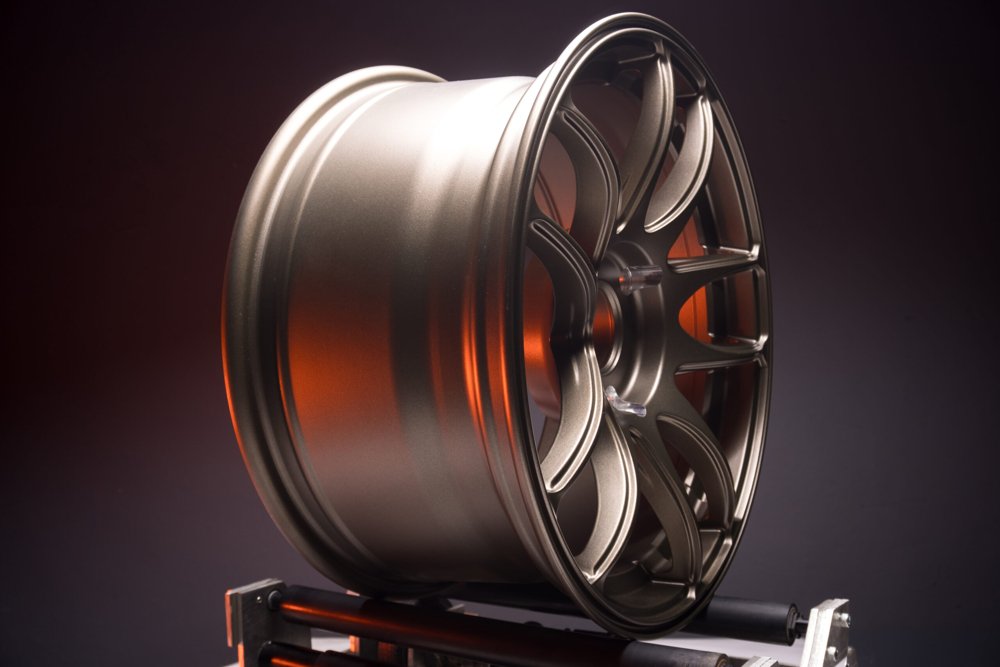 Ti-WCMBN Nanomaterialia Featured
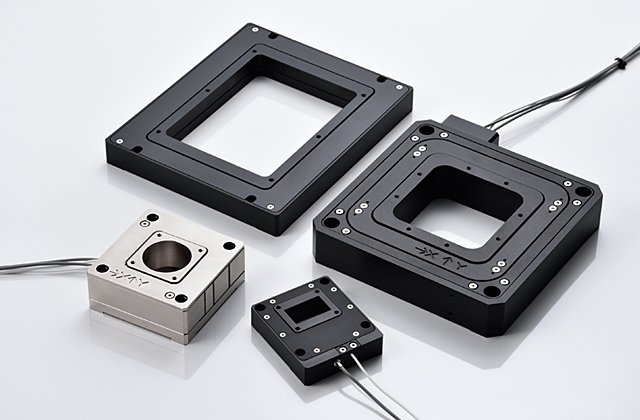 PKVH / PKVL ZAxis With an opening modelTHK PRECISION CO.,LTD.
Market insights
Last 30 days: Semiconductors & Electronics was the busiest vertical: 52 of 170 events (31%).
Money raised per month