
InZiv has introduced the Glide-SiPh PIC, a system that brings passive alignment into automated wafer-scale functional testing of photonic integrated circuits. The company's proprietary fiber array unit, or FAU, combines non-damaging wafer contact with multichannel optical and electrical characterization.
The system supports automated wafer loading, probe engagement and stepping across 200 mm and 300 mm wafers. According to InZiv, it establishes optical coupling in seconds per device without iterative active tuning. Supported measurements include optical insertion loss, functional pass/fail testing and wafer-level yield mapping.
In passive alignment, InZiv's approach calibrates the FAU and uses reference marks on the wafer to establish where devices are located, then positions the optical probes at each test site using that known relationship. InZiv states that the difference from active alignment is how the correct position is established: the system applies a calibrated relationship rather than rediscovering the coupling position through repeated optical adjustments.
The FAU makes controlled physical contact with the wafer during testing. InZiv states that this reduces relative vibration between probe and wafer compared with holding a fiber above a device, and that the contact is engineered to occur without damaging either the wafer or the FAU. The company says the result is improved measurement stability and repeatability.
InZiv notes that the engineering requirement shifts toward maintaining accurate calibration, registration and coupling across the wafer. Device geometry, manufacturing variation and the required measurement tolerances determine whether a passive approach is suitable for a particular application.
Source: InZiv news
QuiX Quantum, Artilux and Brillink have received TechBridge funding for QSPAD, a 36-month project starting January 2027 to develop near-room-temperature GeSi single-photon detectors for photonic quantum computing.
QuiX Quantum, Artilux and Brillink have been awarded TechBridge funding for QSPAD, a 36-month project running from January 2027 to December 2029 to develop near room-temperature GeSi single-photon detectors.
Imec is expanding its activities in Hokkaido, Japan, with backing from METI and in collaboration with LSTC. It plans a local R&D team of approximately 15 researchers and engineers over the next five years, based at Hokkaido University in Sapporo.
This week in nanotech
$129.9M raised
6 funding rounds · 39 deals tracked
New products
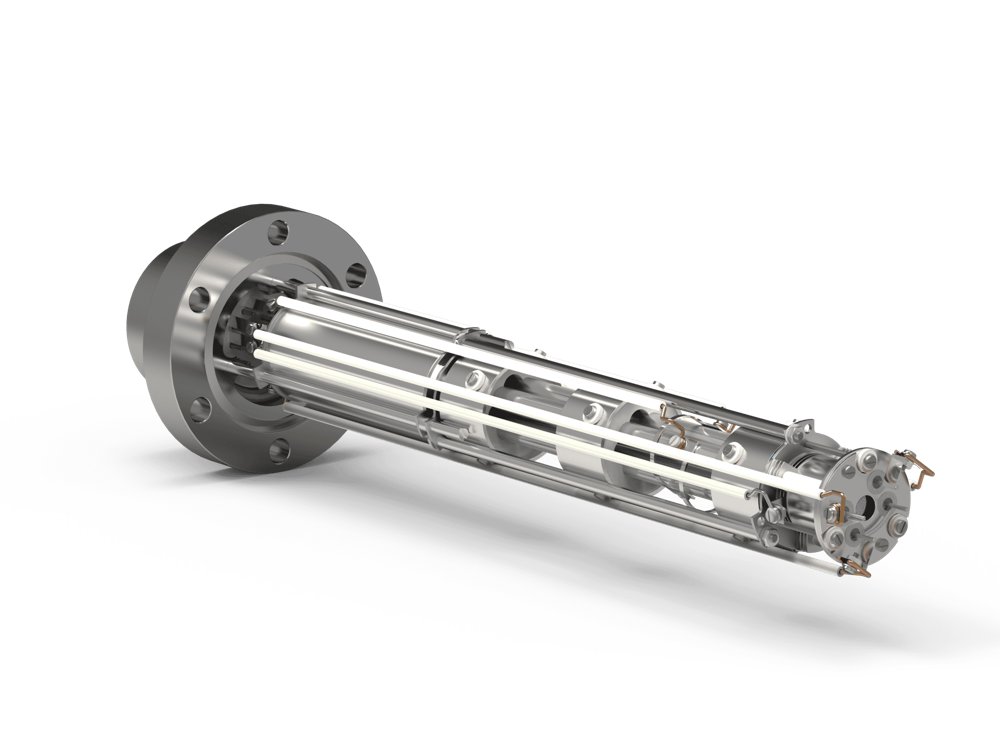 DLS-1 Mass Spectrometer for Fusion Gas AnalysisHiden Analytical Featured
 Nion-compatible In Situ STEM Holders for Electrical BiasingHummingbird Scientific Featured
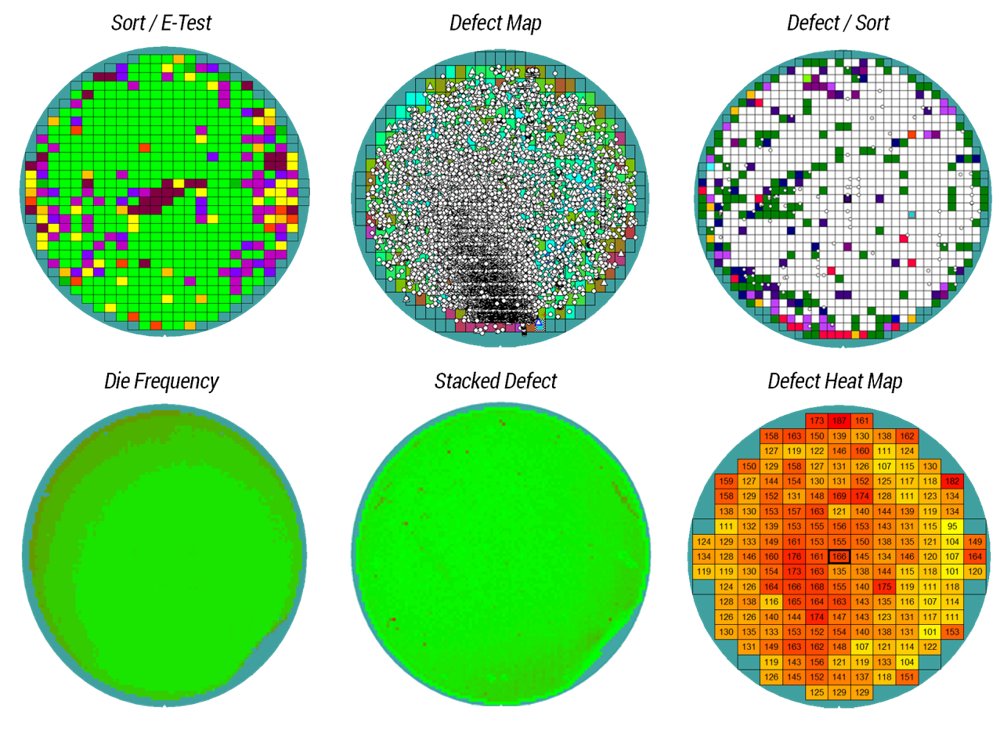 Discover Mapping SuiteOnto Innovation
Market insights
Last 30 days: Semiconductors & Electronics drew the most money: $547.7M.
Money raised per month