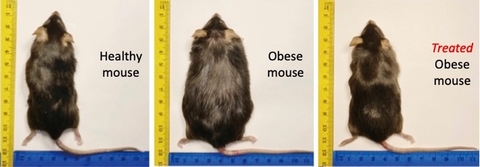
A University of Massachusetts Amherst biomedical engineer has used a nanogel-based carrier designed in his lab to deliver a drug exclusively to the liver of obese mice, effectively reversing their diet-induced disease.
“The treated mice completely lost their gained weight, and we did not see any untoward side effects,” says S. Thai Thayumanavan, distinguished professor of chemistry and biomedical engineering. “Considering 100 million Americans have obesity and related cardiometabolic disorders, we became pretty excited about this work.”
Efforts to translate these findings to humans are being pursued by a start-up company Cyta Therapeutics, which was founded at the UMass Institute for Applied Life Sciences (IALS) based on the nanogel technologies from the Thayumanavan lab. In late July, Cyta Therapeutics won the Judges’ Choice Best Startup at the 16th annual Massachusetts Life Sciences Innovation (MALSI) Day in Boston.
“There is a significant amount of development work to be conducted between mice and humans,” Thayumanavan says, “but we are hoping it will eventually become a drug.”
Senior author Thayumanavan, director of the Center for Bioactive Delivery at IALS, explains his team’s findings in a paper published Tuesday, Aug. 29, in the Proceedings of the National Academy of Sciences NEXUS. Ruiling Wu, doing research for her Ph.D. in chemistry in Thayumanavan’s lab and at the Center for Bioactive Delivery, is the paper’s lead author. Wu recently graduated and now works for a pharmaceutical company in Boston.
One of the center’s primary goals is figuring out how to get the right drug to the right place in the body by creating novel delivery platforms for small and large molecules.
Thyromimetics, or drugs that mimic synthetic thyroid hormone, have been considered as a potential way to tackle the problem of obesity, type 2 diabetes, high cholesterol, metabolic dysfunction-associated steatohepatitis (MASH) and other metabolic conditions. Targeted therapy is key, however. Thayumanavan and his team looked at one such thyromimetic.
“We realized we needed to deliver this drug selectively to the liver because if it goes to other places, it could cause complications,” he says. In addition to side effects, taking the drug systemically was expected to dilute its effectiveness, which was confirmed in the study.
Thayumanavan and team fed a group of mice a high-fat, high-sugar, high-cholesterol diet for 10 weeks, doubling their weight. A control group of mice were fed a healthy diet.
“We came up with a very simple approach, using our unique invention – nanogels that we can direct selectively to different targets, which we call IntelliGels,” Thayumanavan says. “They were custom-designed for hepatocyte delivery in the liver.”
The obese mice were given the drug daily, packaged inside the nanogel and delivered to the mice via intraperitoneal (IP) injection.
Once the nanogel carrier is inside the hepatocyte cells, glutathione in the cells breaks down bonds in the nanogel, releasing the drug. The drug then activates thyroid hormone beta receptor, leading to systemic lipid lowering, increased bile acid synthesis and fat oxidation.
After five weeks of treatment, the mice returned to a normal weight – even as their high-fat diet continued. The mice also saw their cholesterol levels drop and their liver inflammation resolve.
“We really wanted to find out the factors that got affected,” Thayumanavan says. “We found that we are activating the reverse cholesterol transport pathway, which lowers cholesterol. We believe that activation of fat oxidation and an increase in metabolic rate are causing the loss in weight, but more work needs to be done to prove that point.”
Now that the mechanism is better understood, the paper notes, “the drug-encapsulated nanogels open up the possibility for nanoparticle-mediated pharmaceutical strategies for other liver-based diseases.”
Reference
Conferring liver selectivity to a thyromimetic using a novel nanoparticle increases therapeutic efficacy in a diet-induced obesity animal model
Ruiling Wu, Theeraphop Prachyathipsakul, Jiaming Zhuang, Hongxu Liu, Yanhui Han, Bin Liu, Shuai Gong, Jingyi Qiu, Siu Wong, Alexander Ribbe, Jewel Medeiros, Jayashree Bhagabati, Jingjing Gao, Peidong Wu, Ranit Dutta, Roman Herrera, Steve Faraci, Hang Xiao, S Thayumanavan
https://academic.oup.com/pnasnexus/article/2/8/pgad252/7249146
University of Massachusetts Amherst
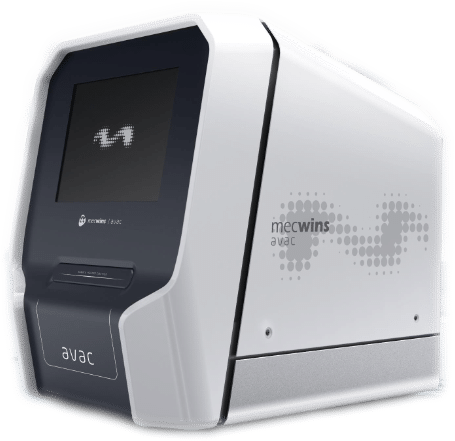
Mecwins has described its AVAC technology, which labels target proteins with plasmonic nanoparticles and counts each one individually by dark-field micro-spectrophotometry. The AVAC Analyzer reaches femtogram-range sensitivity.
Hesperos has received an SBIR Phase II grant (R44AI197758) from NIAID to expand its Malaria-on-a-Chip platform, adding support for viable, replicating parasite strains and predictive PK/PD modeling.
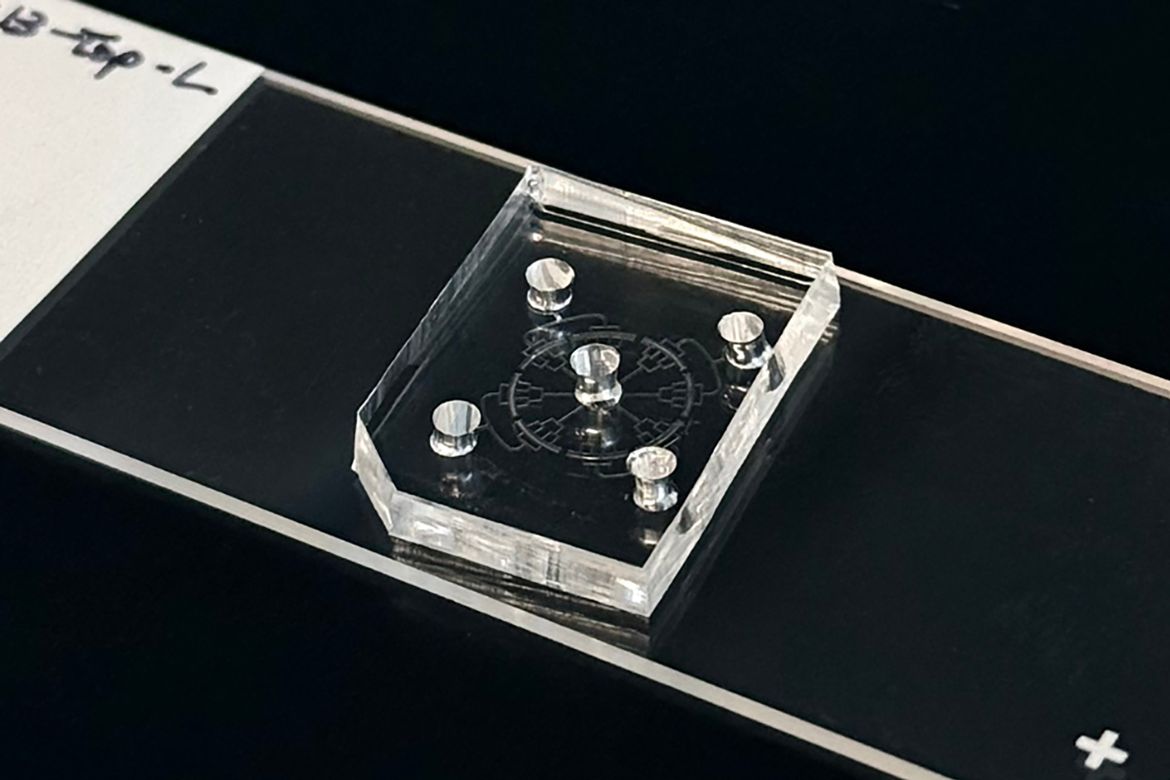
UCLA researchers have shown that briefly squeezing a cell's nucleus for milliseconds can loosen tightly packed DNA and make CRISPR activation far more effective at reprogramming cell identity. After mapping which genomic regions opened, they aimed guide RNAs at those sites, raising the share of mouse skin cells converted to neurons from about 3% to 10%. Adding a priming step that activated Oct4 pushed conversion to roughly 40%.
This week in nanotech
$105.3M raised
6 funding rounds · 35 deals tracked
New products
 Nion-compatible In Situ STEM Holders for Electrical BiasingHummingbird Scientific Featured
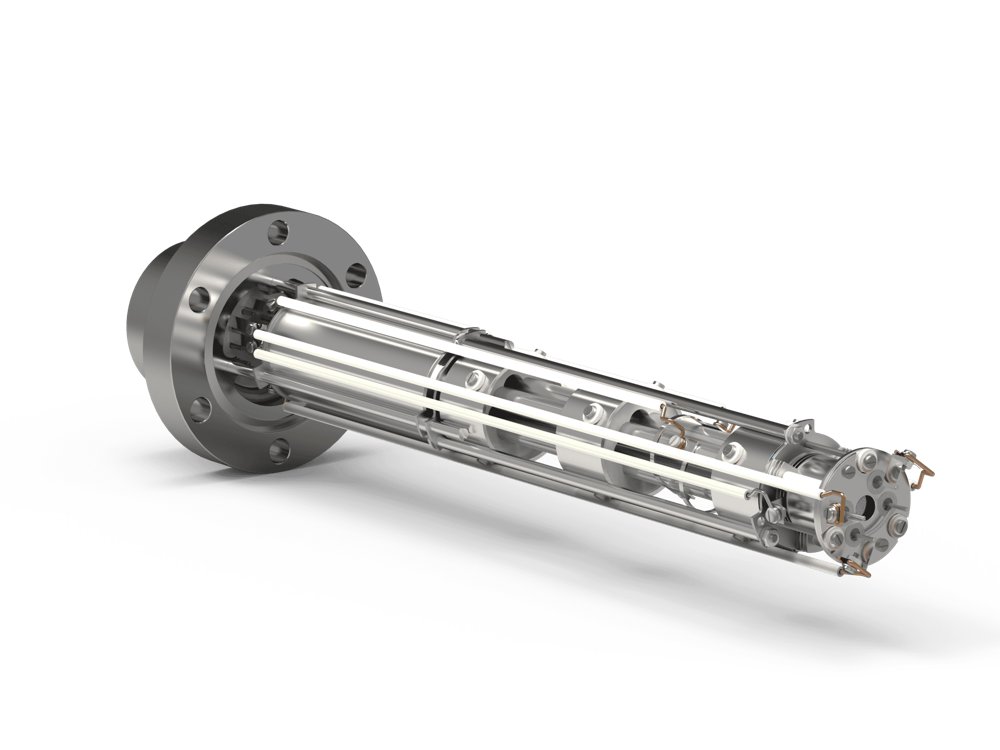 DLS-1 Mass Spectrometer for Fusion Gas AnalysisHiden Analytical Featured
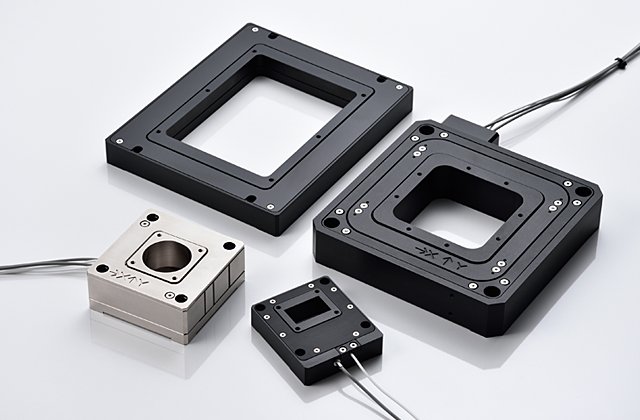 PKVH / PKVL ZAxis With an opening modelTHK PRECISION CO.,LTD.
Market insights
Last 30 days: Quantum Technologies drew the most money: $3.17B.
Money raised per month