Frederick, Maryland, USA, 26 April 2023. NanoFCM Co., Ltd announced that RoosterBio, Inc. is approved to provide analytical services worldwide using NanoFCM's NanoAnalyzer. RoosterBio becomes the first US-based service provider approved by NanoFCM to perform contract analytical services using the NanoAnalyzer platform.
RoosterBio has used the NanoAnalyzer in its exosome and extracellular vesicle (EV) analytics workflows for over a year. It offers the technology as a stand-alone service and integrated within broader exosome process development programs. RoosterBio applies the technology to characterize the quality, identity, purity and potency of native and genetically engineered exosome products.
NanoFCM said its NanoAnalyzer measures elastically scattered light from single nanoparticles to give high-resolution size distribution, comparable to cryo-electron microscopy. Acquisition times of 1-2 minutes also yield particle concentration data, and fluorescent labelling allows concurrent detection of cargos such as proteins, nucleic acids and lipids.
The two companies will work together to develop updated protocols, procedures and expanded analytical capabilities for the NanoAnalyzer instrument.
"The in-depth knowledge and expertise in EV characterization provided by RoosterBio will allow new and existing EV platforms to thrive in this exciting field" said Ben Peacock, Head of Research for NanoFCM Co., Ltd.
"We are delighted to be selected as an approved provider for state-of-the-art exosome analytical characterization using NanoFCM's NanoAnalyzer technology," said Tim Kelly, Chief Executive Officer of RoosterBio.
Source: NanoFCM news
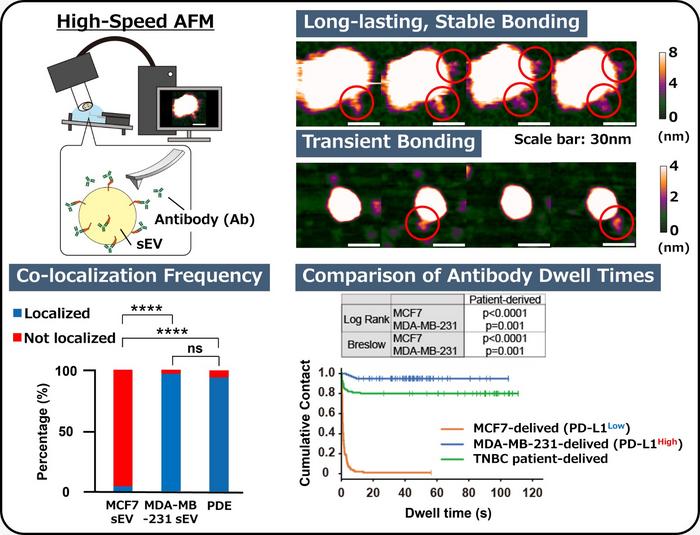
High-speed atomic force microscopy has revealed that the amount of PD-L1 on cancer-derived extracellular vesicles does not indicate how accessible the protein is to antibodies. Researchers at Kanazawa University imaged individual vesicles from two breast cancer cell lines in liquid, finding that over 80 percent of high-PD-L1 vesicles held antibodies persistently, while most low-PD-L1 vesicles showed no stable binding.
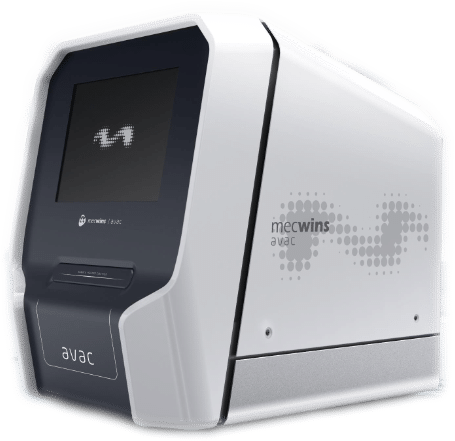
Mecwins has described its AVAC technology, which labels target proteins with plasmonic nanoparticles and counts each one individually by dark-field micro-spectrophotometry. The AVAC Analyzer reaches femtogram-range sensitivity.
Hesperos has received an SBIR Phase II grant (R44AI197758) from NIAID to expand its Malaria-on-a-Chip platform, adding support for viable, replicating parasite strains and predictive PK/PD modeling.
This week in nanotech
$108.5M raised
8 funding rounds · 46 deals tracked
New products
 Ti-WCMBN Nanomaterialia Featured
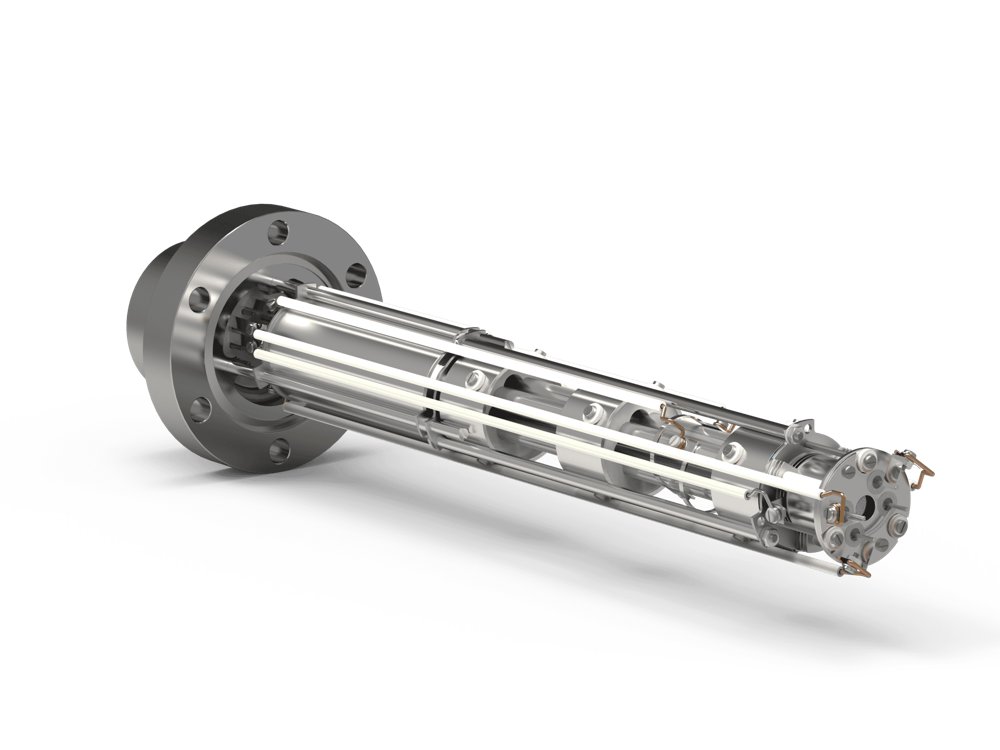 DLS-1 Mass Spectrometer for Fusion Gas AnalysisHiden Analytical Featured
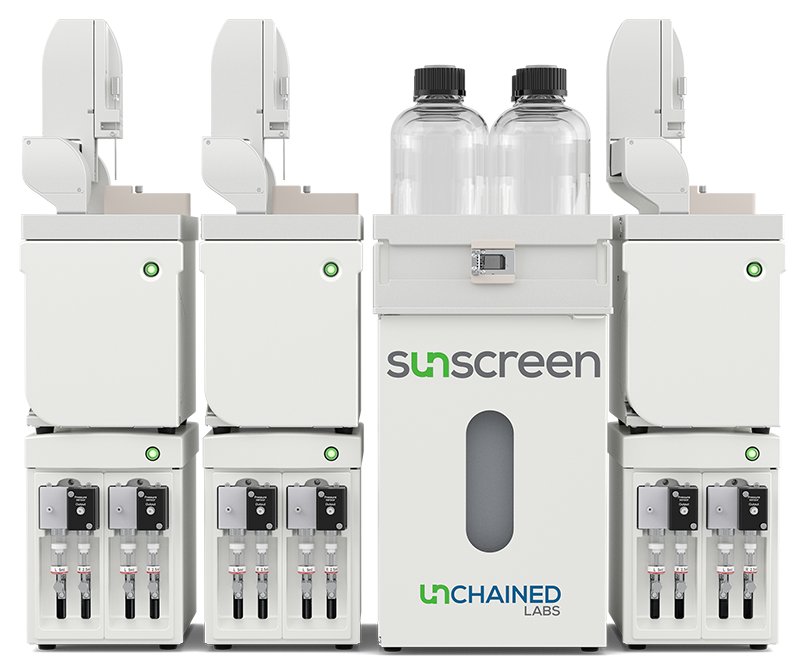 SunscreenUnchained Labs
Market insights
Last 30 days: Quantum Technologies drew the most money: $3.17B.
Money raised per month
Behind the deal
Who invested in Vertical Semiconductor’s $73M Grant?
See the investors with Insights Pro →