Somerset, 11 November 2026. NEI Corporation is making space and resources available at its Somerset, NJ facilities to support startups and growing companies working in advanced materials, energy storage, and chemical technologies.
The shared facilities are located within NEI's established materials manufacturing and research environment. They offer access to specialized infrastructure without the significant expense of building and equipping a facility from scratch.
Available resources include flexible space for pilot manufacturing, materials synthesis, and prototyping, along with access to in-house processing equipment, high-temperature furnaces, and analytical characterization instruments. Tenants can also use industrial utilities, loading dock access, material storage, shared office space, high-speed internet, and conference room facilities.
Short-term and customized arrangements are available. NEI says the facilities are well suited for university spin-offs, early-stage hard-tech startups, SBIR/STTR grant recipients, and companies looking to move beyond traditional laboratory or incubator space.
Beyond providing space and equipment, NEI offers an opportunity to work alongside an experienced materials team in an active manufacturing and R&D environment. "We welcome the exchange of ideas and experience that comes from bringing different companies and technologies together," the company stated.
Founded in 1997, NEI Corporation develops, manufactures, and supplies advanced specialty materials for industrial customers worldwide. Its commercial products, marketed under the registered trademark NANOMYTE®, include lithium-ion battery materials, sodium-ion battery materials, functional and protective coatings, and other advanced materials products. NEI also provides materials development, characterization, and testing services.
Source: NEI Corporation news
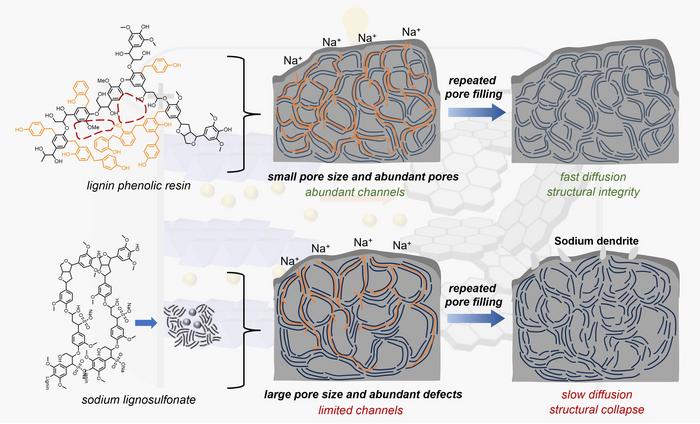
Lignin-derived hard carbon anodes could make sodium-ion batteries charge faster and last longer, according to work from Guangdong University of Technology. By tuning precursor chemistry, researchers produced hard carbons with pore diameters near 1.5 to 2 nm and mapped how pore geometry governs sodium storage. Smaller, denser closed pores lower the energy needed to form sodium clusters and speed ion diffusion, while large defective pores degrade cycling and raise dendrite risk.
Researchers at the University of Córdoba have used vitamin B12, or cobalamin, as a catalyst in a zinc-air battery for the first time, anchoring the biomolecule to single-walled carbon nanotubes to keep it stable in an aqueous electrolyte. The cobalt at its core drives oxygen reduction on discharge and oxygen production on recharge, enabling up to 250 cycles.
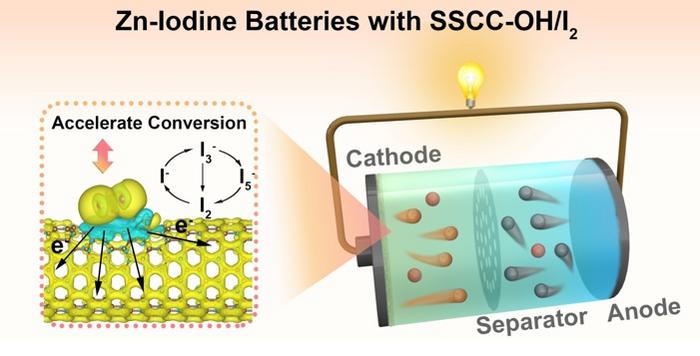
Researchers at Jilin University and the Changchun Institute of Applied Chemistry have shown that hydroxyl functional groups on self-supporting carbon nanotube cathodes stabilize aqueous zinc-iodine batteries. Density functional theory guided the choice of surface groups, and the hydroxyl-modified cathode confined iodine species within its porous nanotube channels. It retained 89.34% of capacity after more than 10,000 cycles and suppressed the iodine shuttle effect.
This week in nanotech
$111.7M raised
4 funding rounds · 18 deals tracked
New products
 Ti-WCMBN Nanomaterialia Featured
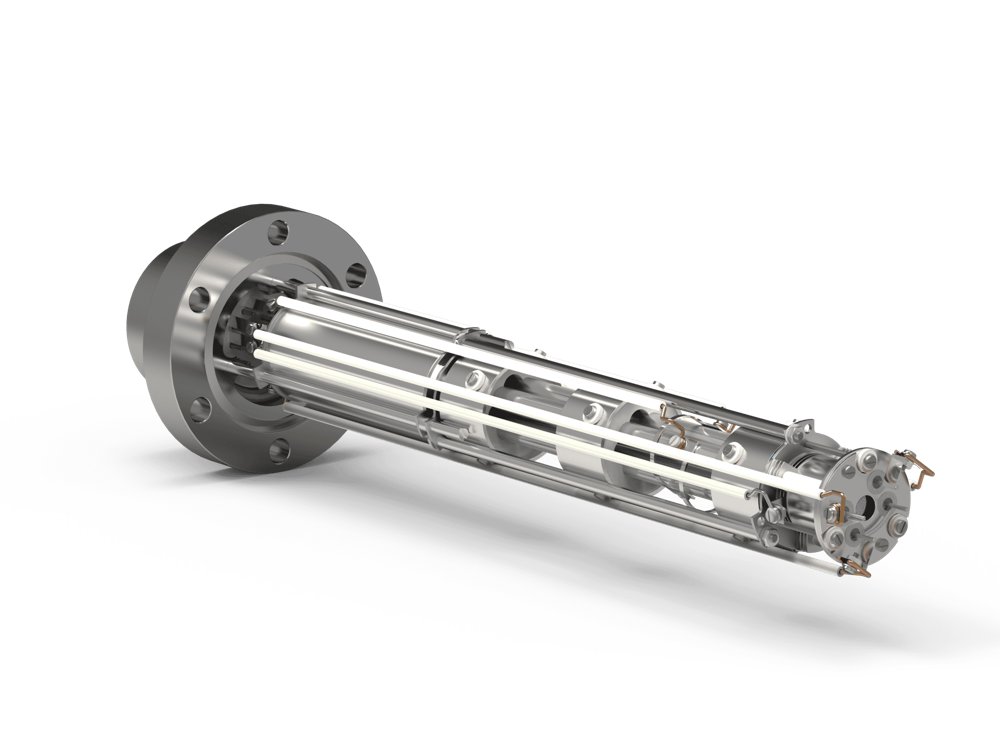 DLS-1 Mass Spectrometer for Fusion Gas AnalysisHiden Analytical Featured
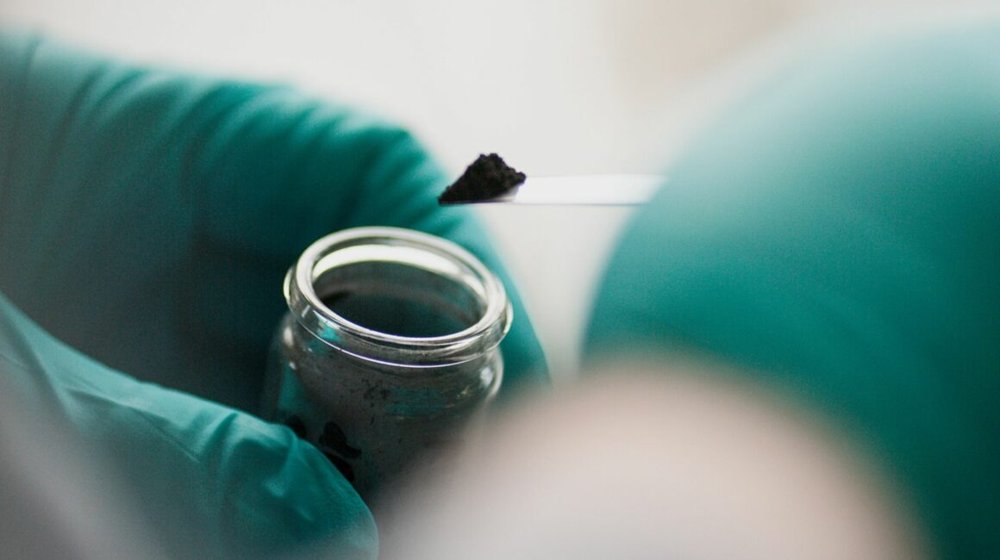 Talphene™ Graphene AdditivesTalga Group
Market insights
Last 30 days: Semiconductors & Electronics drew the most money: $547.7M.
Money raised per month