Hefei Institutes of Physical Science, Chinese Academy of Sciences
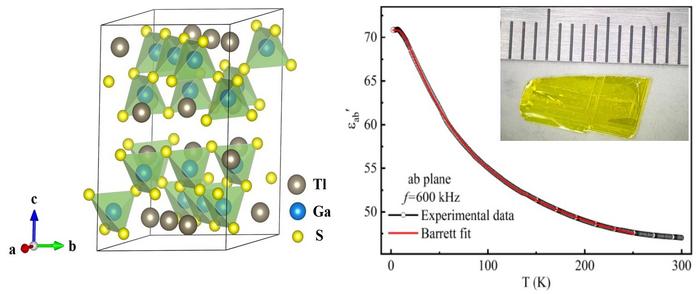
A research team led by Prof. YIN Lihua from the Institute of Solid State Physics, Hefei Institutes of Physical Science, Chinese Academy of Sciences, and their collaborators have found that TlGaS₂, a two-dimensional material, shows both in-plane and out-of-plane polarization. The team also identified several weak structural changes that provide clues to its unusual behavior.
The results were published in Physical Review B.
Two-dimensional ferroelectric materials are being studied for applications such as ferroelectric transistors and non-volatile memory devices. However, materials that combine in-plane and out-of-plane polarization remain rare, limiting their potential for device design.
In this study, the team prepared high-quality TlGaS₂ single crystals and characterized their properties using several experimental techniques. The results confirmed incipient ferroelectric behavior in the material, with a stronger response along the in-plane direction. Infrared measurements also revealed a soft phonon mode below 75 K, a feature commonly linked to quantum ferroelectricity.
The team further identified several weak structural changes at different temperatures through infrared spectroscopy. Unlike typical phase transitions, these changes were not accompanied by clear heat-capacity signals, suggesting that they may involve local structural rearrangements or weak ordering. This finding helps explain differences among previous studies of TlGaS₂.
This work expands the range of two-dimensional ferroelectric materials and offers new insights into their multifunctional properties, according to the team.
Reference
Incipient ferroelectric behavior and structural phase transitions in two-dimensional layered TlGaS2
A. D. Molchanova, L. H. Yin, L. P. Gao, W. H. Song, Y. P. Sun, K. R. Allahverdiyev, and M. N. Popova
Physicists at Auburn University used laser pulses to bring order to polar nanoregions in a modified strontium titanate crystal, resolving a decades-old debate over whether these charged islands pre-exist or form as atoms shift together. Sensitive optical measurements show the regions are already present before aligning on cooling. Brief light pulses aligned them for about a picosecond, showing light can both create and read the pattern.
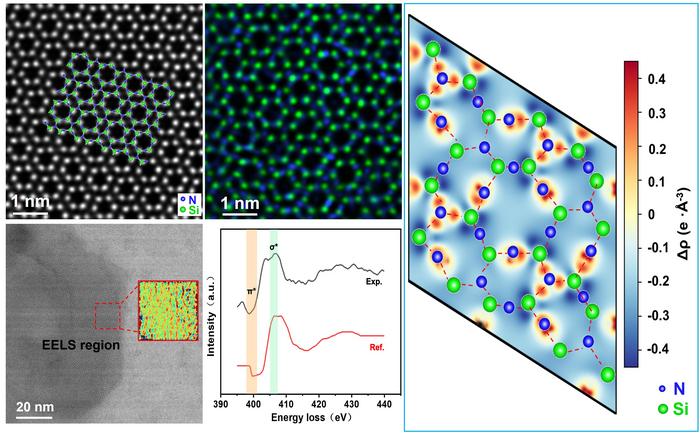
A β-Si3N4 nanolayer about 20 nm thick and continuous over several micrometers has been formed between carbon and silicon carbide without conventional oxide sintering additives, using a porous carbon framework infiltrated with molten silicon. Complementary atomic-resolution imaging resolved both silicon and nitrogen sublattices, confirming the ABAB stacking and corner-sharing tetrahedral network, while electron energy-loss spectroscopy and first-principles calculations linked the spectra to…
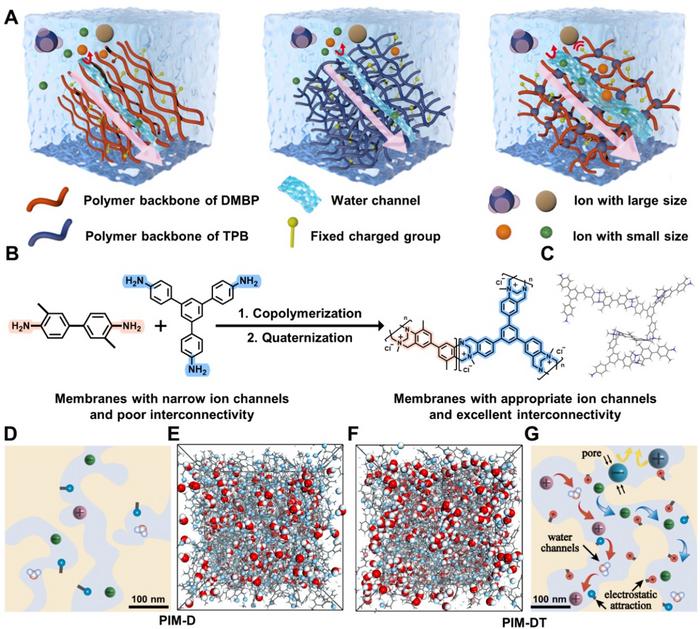
A polymer membrane with interconnected water-filled channels just 0.5 to 0.7 nanometers wide separates singly charged ions from multiply charged ones in both cationic and anionic systems. Built from Tröger's base-derived porous organic polymers, it cut the magnesium-to-lithium ratio in salt-lake brine roughly 500-fold across three electrodialysis stages, yielding 99.5 percent pure lithium carbonate, and enriched sodium chloride to 99.4 percent of ion mass from simulated seawater.
This week in nanotech
$751.8M raised
6 funding rounds · 37 deals tracked
New products
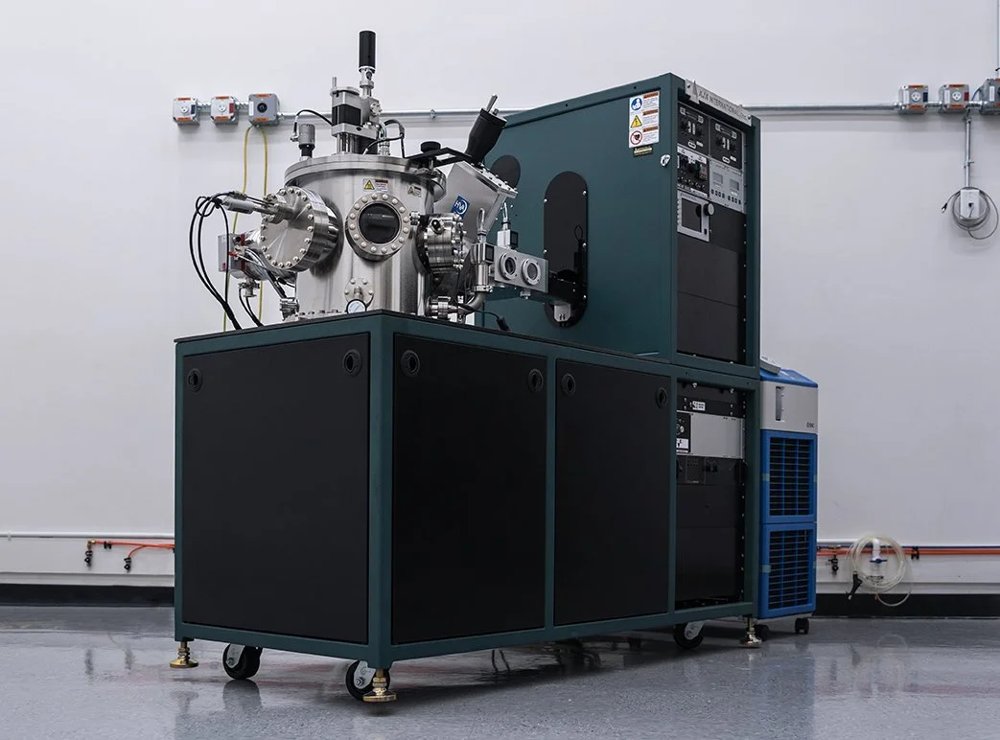 Orion Sputtering Deposition SystemsAJA International Featured
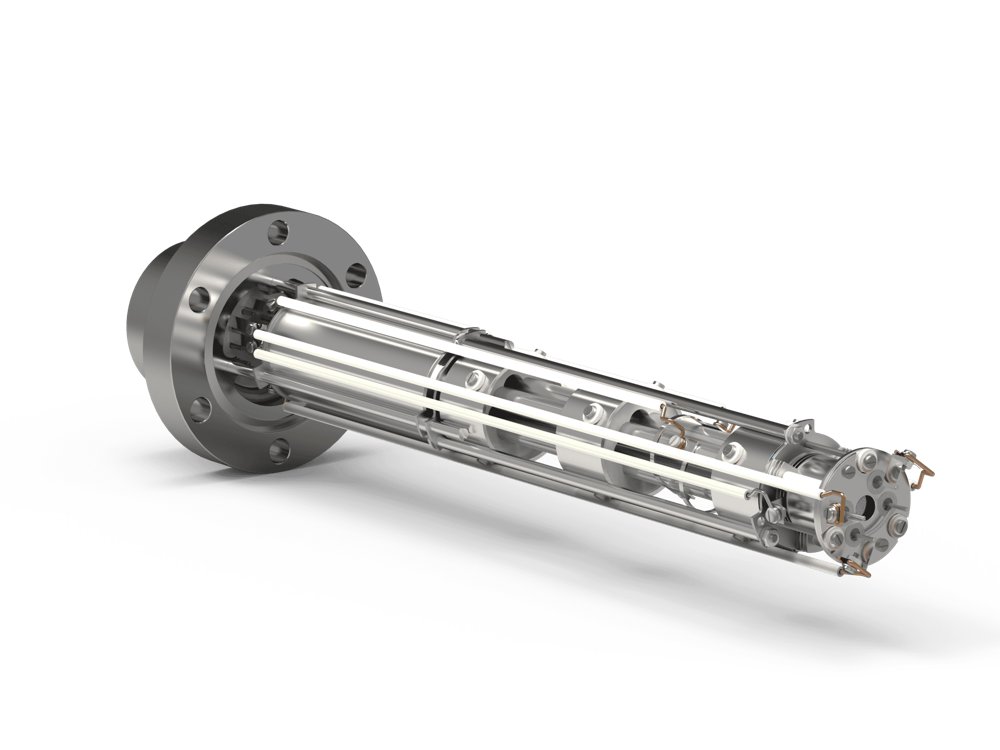 DLS-1 Mass Spectrometer for Fusion Gas AnalysisHiden Analytical Featured
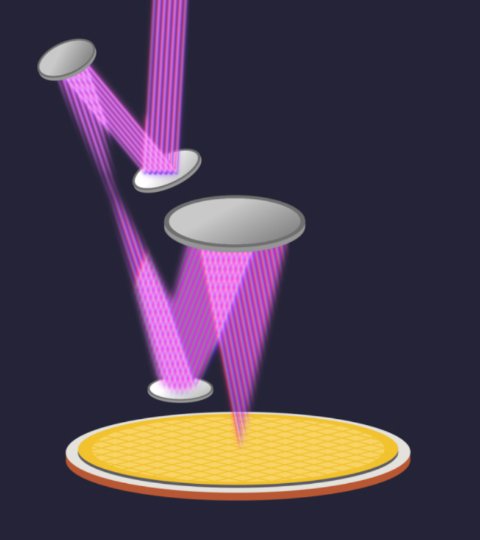 Aether®Lam Research
Market insights
Last 30 days: Quantum Technologies drew the most money: $3.18B.
Money raised per month
Behind the deal
Who led Xanadu Quantum Technologies Limited’s $10M Grant?
See the investors with Insights Pro →