West Henrietta, 13 November 2026. Researchers at the University of Nottingham and their industry collaborators used SiMPore's nanoporous silicon nitride (SiN) TEM windows to capture and analyze exhaust particles from hydrogen and ammonia engines, according to a three-paper series. The particles' size, shape and chemistry were examined with transmission electron microscopy (TEM) and energy-dispersive X-ray spectroscopy (EDX).
In the first study, Salvatore Lagana and colleagues sampled exhaust from a heavy-duty hydrogen engine during steady-state and transient operation. TEM was used to examine particle size and shape, and EDX to determine which elements were present. The researchers linked some elements to lubricant oil and others to sources such as coolant and engine wear.
The second hydrogen study focused on the lubricant. Lagana and colleagues compared different oil formulations and operating conditions to investigate how they influence particulate emissions. Where the first study asked what the engine was emitting, the follow-up asked how those emissions changed when the researchers varied the oil and the way the engine was run.
Philip Walters and colleagues then adapted the sampling approach for an ammonia-fueled engine. Particle concentrations were close to the detection limit of the instrument used to measure them, yet the TEM grids collected enough material for the researchers to examine individual particles. The team identified carbon-containing particles linked to lubricant oil, extending a finding from the hydrogen studies to a different fuel. The authors acknowledged SiMPore for discussions about the SiN TEM grids.
SiMPore said the carbon-free silicon nitride support helped researchers interpret carbon signals from collected particles without a carbon contribution from the support film. The open pores let researchers image particles suspended across them with less background from the membrane, and the suspended particles enabled more definitive analysis of elemental composition. The company also noted that silicon nitride contributes a nitrogen signal during EDX analysis, which can make nitrogen-containing deposits harder to identify.
Across all three studies, the company said the same principle held: particle counts show how much is present, while microscopy and elemental analysis help explain what the particles are and where they may have come from.
Source: SiMPore, Inc. news
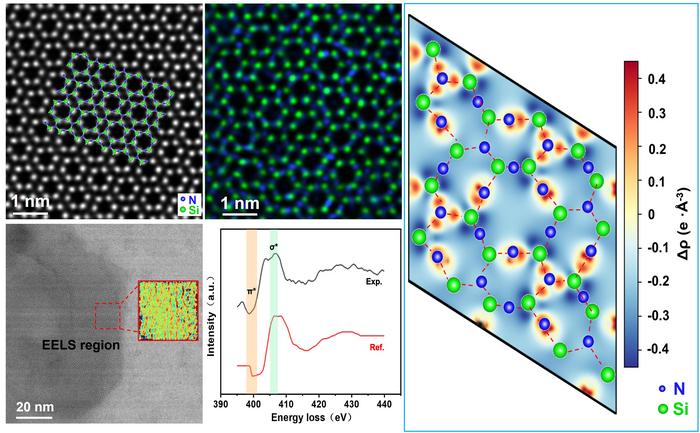
A β-Si3N4 nanolayer about 20 nm thick and continuous over several micrometers has been formed between carbon and silicon carbide without conventional oxide sintering additives, using a porous carbon framework infiltrated with molten silicon. Complementary atomic-resolution imaging resolved both silicon and nitrogen sublattices, confirming the ABAB stacking and corner-sharing tetrahedral network, while electron energy-loss spectroscopy and first-principles calculations linked the spectra to…
Levidian has launched NanoFlow R1-10, a 10 wt.% G3 graphene concentrate pre-dispersed in bisphenol A-based epoxy resin for two-part epoxy systems. It is available for customer evaluation and product development.
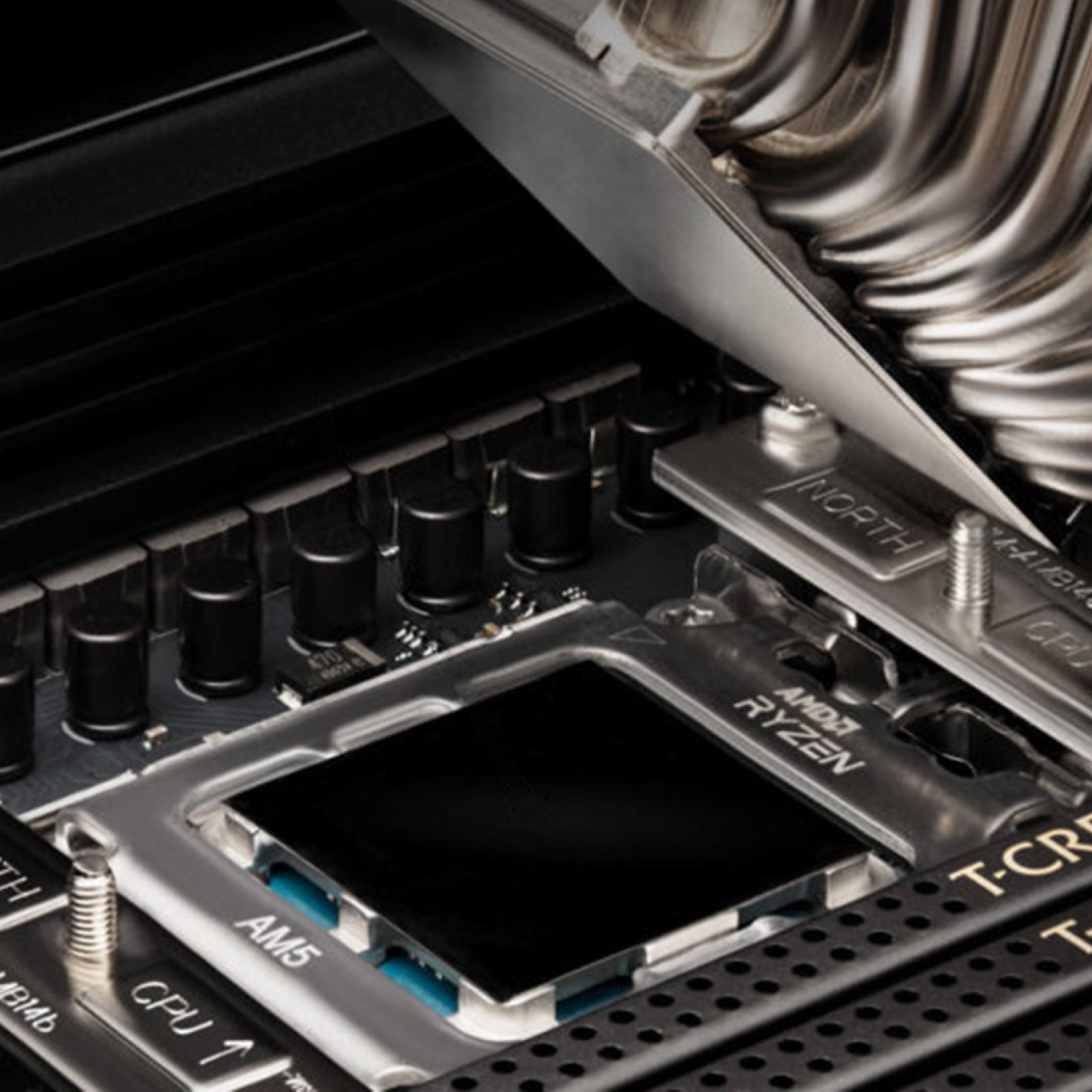
Noctua has released the NT-CP1 AM5/4 carbon nanotube thermal pad for AMD AM5 and AM4 processors, using Carbice technology. It costs EUR 24.95 / USD 24.95 and is available via Noctua's official Amazon stores.
This week in nanotech
$109M raised
3 funding rounds · 18 deals tracked
New products
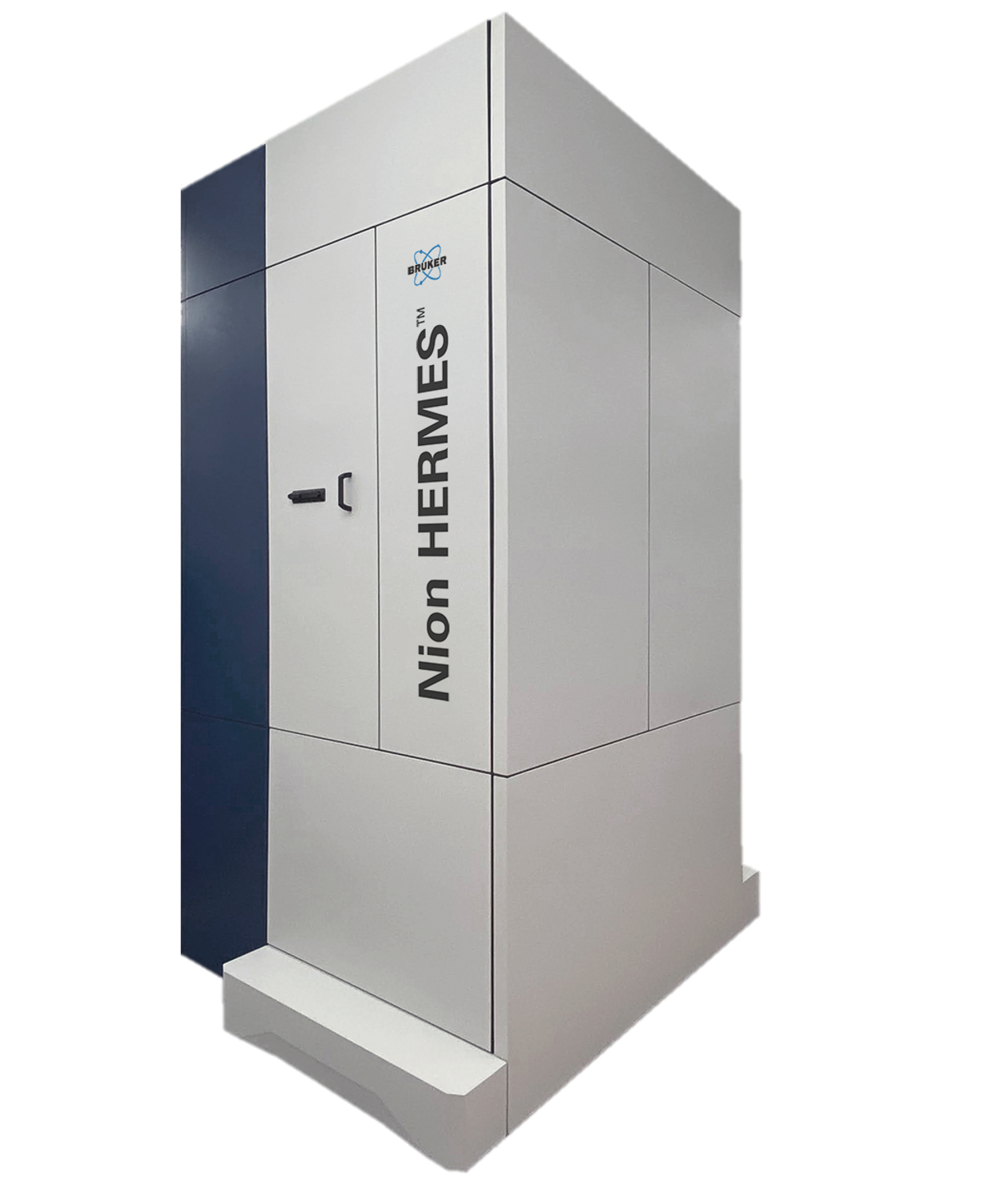 Nion-compatible In Situ STEM Holders for Electrical BiasingHummingbird Scientific Featured
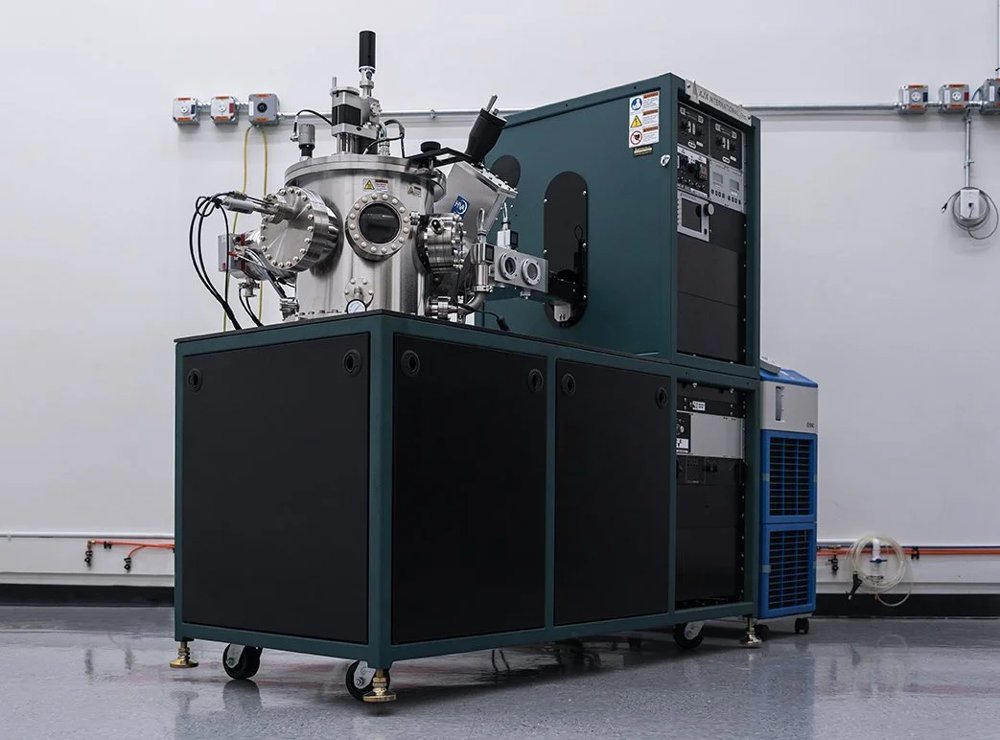 Orion Sputtering Deposition SystemsAJA International Featured
 PDK (Process Design Kit)DB HiTek
Market insights
Last 30 days: Semiconductors & Electronics drew the most money: $545M.
Money raised per month
Behind the deal
Who led Sandia National Laboratories’s $3.4M Grant?
See the investors with Insights Pro →