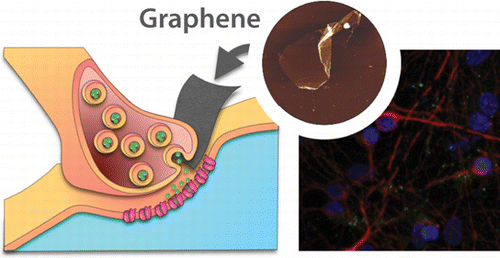
Graphene technology opens up new horizons for treatment of disease
The laboratory of SISSA's Laura Ballerini in collaboration with the University of Trieste, the University of Manchester and the University of Castilla -la Mancha, has discovered a new approach to modulating synapses. This methodology could be useful for treating diseases in which electrical nerve activity is altered. Ballerini and Maurizio Prato (University of Trieste) are the principal investigators of the project within the European flagship on graphene, a far-reaching 10-year international collaboration (one billion euros in funding) that studies innovative uses of the material.
Traditional treatments for neurological diseases generally include drugs that act on the brain or neurosurgery. Today however, graphene technology is showing promise for these types of applications, and is receiving increased attention from the scientific community. The method studied by Ballerini and colleagues uses "graphene nano-ribbons" (flakes) which buffer activity of synapses simply by being present.
"We administered aqueous solutions of graphene flakes to cultured neurons in 'chronic' exposure conditions, repeating the operation every day for a week. Analyzing functional neuronal electrical activity, we then traced the effect on synapses" says Rossana Rauti, SISSA researcher and first author of the study.
In the experiments, size of the flakes varied (10 microns or 80 nanometers) as well as the type of graphene: in one condition graphene was used, in another, graphene oxide. "The 'buffering' effect on synaptic activity happens only with smaller flakes of graphene oxide and not in other conditions," says Ballerini. "The effect, in the system we tested, is selective for the excitatory synapses, while it is absent in inhibitory ones"
A Matter of Size
What is the origin of this selectivity? "We know that in principle graphene does not interact chemically with synapses in a significant way- its effect is likely due to the mere presence of synapses," explains SISSA researcher and one of the study's authors, Denis Scaini. "We do not yet have direct evidence, but our hypothesis is that there is a link with the sub-cellular organization of the synaptic space."
A synapse is a contact point between one neuron and another where the nervous electrical signal "jumps" between a pre and post-synaptic unit. There is a small gap or discontinuity where the electrical signal is "translated" by a neurotransmitter and released by pre-synaptic termination into the extracellular space and reabsorbed by the postsynaptic space, to be translated again into an electrical signal. The access to this space varies depending on the type of synapses: "For the excitatory synapses, the structure's organization allows higher exposure for the graphene flakes interaction, unlike inhibitory synapses, which are less physically accessible in this experimental model," says Scaini.
Another clue that distance and size could be crucial in the process is found in the observation that graphene performs its function only in the oxidized form. "Normal graphene looks like a stretched and stiff sheet while graphene oxide appears crumpled, and thus possibly favoring interface with the synaptic space, " adds Rauti.
Administering graphene flake solutions leaves the neurons alive and intact. For this reason the team thinks they could be used in biomedical applications for treating certain diseases. "We may imagine to target a drug by exploiting the apparent flakes' selectivity for synapses, thus targeting directly the basic functional unit of neurons"concludes Ballerini.
Reference:
ACS Nano, 2016, 10 (4), pp 4459–4471
DOI: 10.1021/acsnano.6b00130
SISSA
#Graphene #Bionano
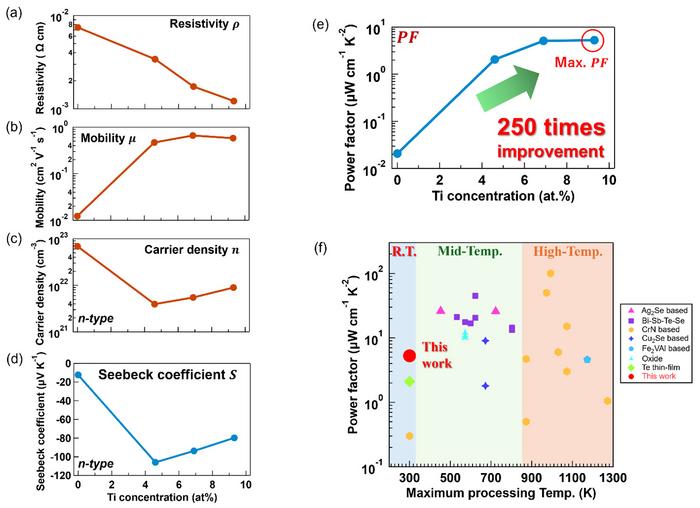
Researchers at Tohoku University have raised the power factor of chromium nitride thin films 250-fold by doping them with small amounts of titanium, reaching 5.26 µW cm⁻¹ K⁻². Titanium's stronger affinity for nitrogen suppresses nitrogen vacancies, cutting carrier concentration while boosting electron mobility by roughly two orders of magnitude.
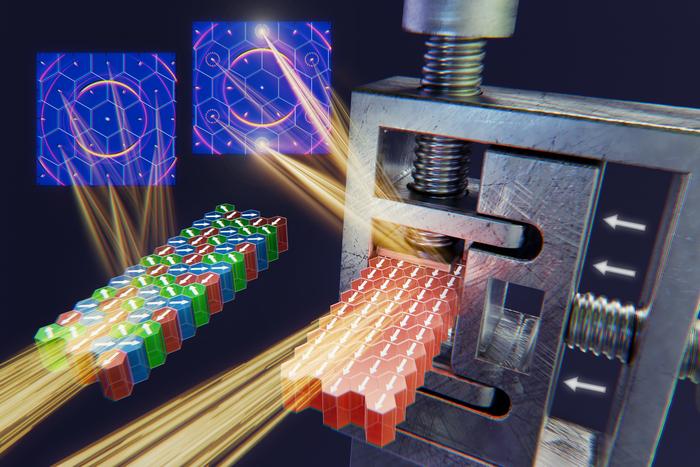
Neutron diffraction at Oak Ridge National Laboratory has shown that a modest mechanical squeeze can substantially reshape the magnetic behavior of altermagnets, a class of materials under investigation for spintronics. Squeezing manganese telluride and iron sulfide crystals between titanium plates altered their magnetic domain populations and changed the anomalous Hall effect, which governs electron transport.
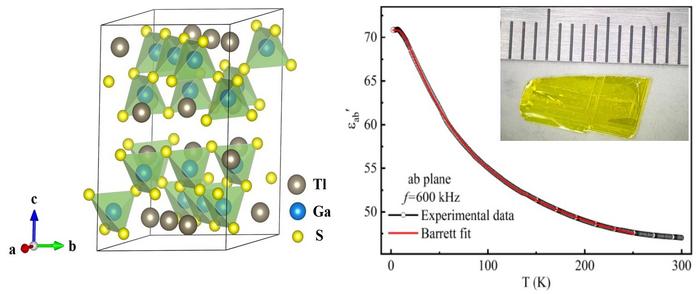
TlGaS2 single crystals show both in-plane and out-of-plane polarization, a rare combination in two-dimensional ferroelectrics that could widen options for ferroelectric transistors and non-volatile memory. Infrared spectroscopy revealed a soft phonon mode below 75 K, a signature tied to quantum ferroelectricity, along with weak structural changes across temperatures that lack clear heat-capacity signals, hinting at local rearrangements rather than conventional phase transitions.
This week in nanotech
$558.4M raised
5 funding rounds · 35 deals tracked
New products
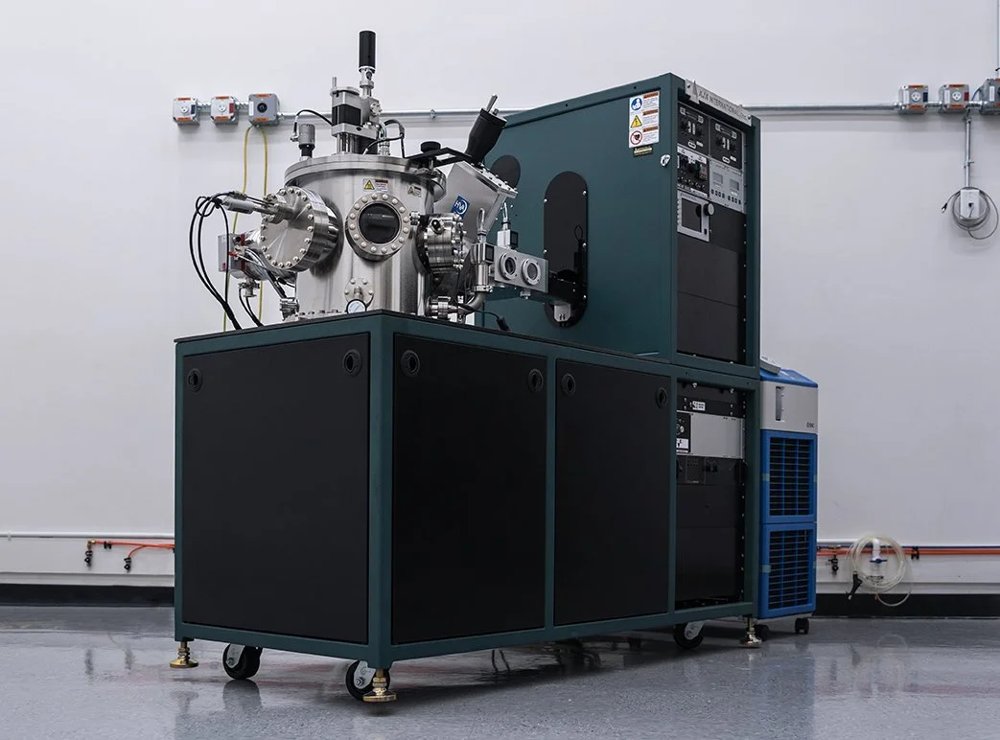 Orion Sputtering Deposition SystemsAJA International Featured
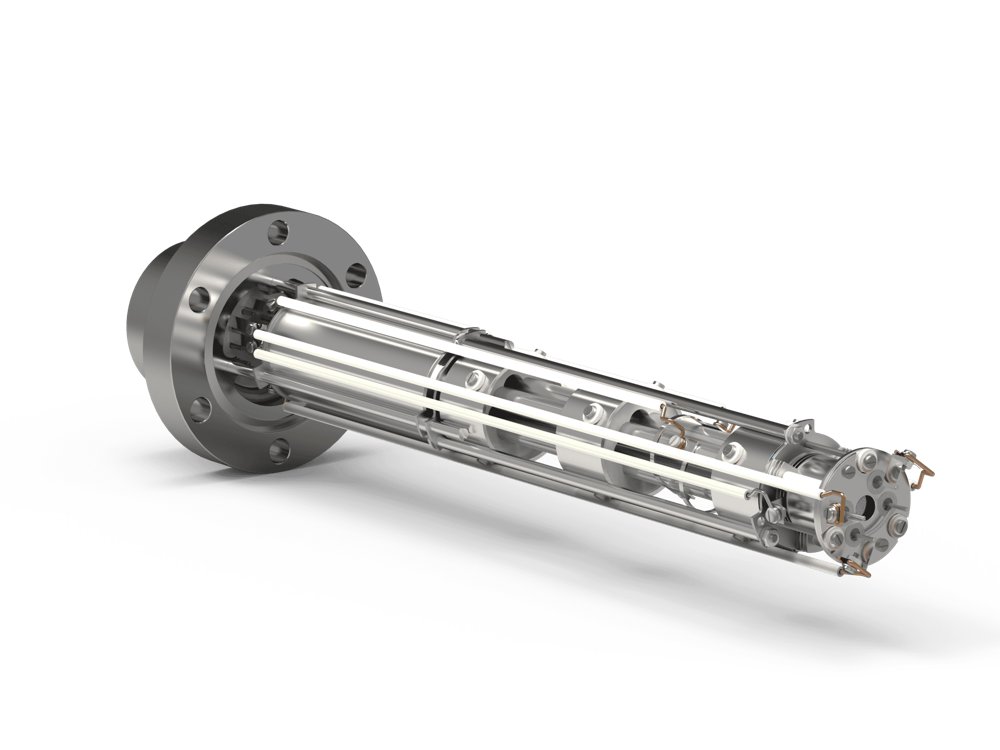 DLS-1 Mass Spectrometer for Fusion Gas AnalysisHiden Analytical Featured
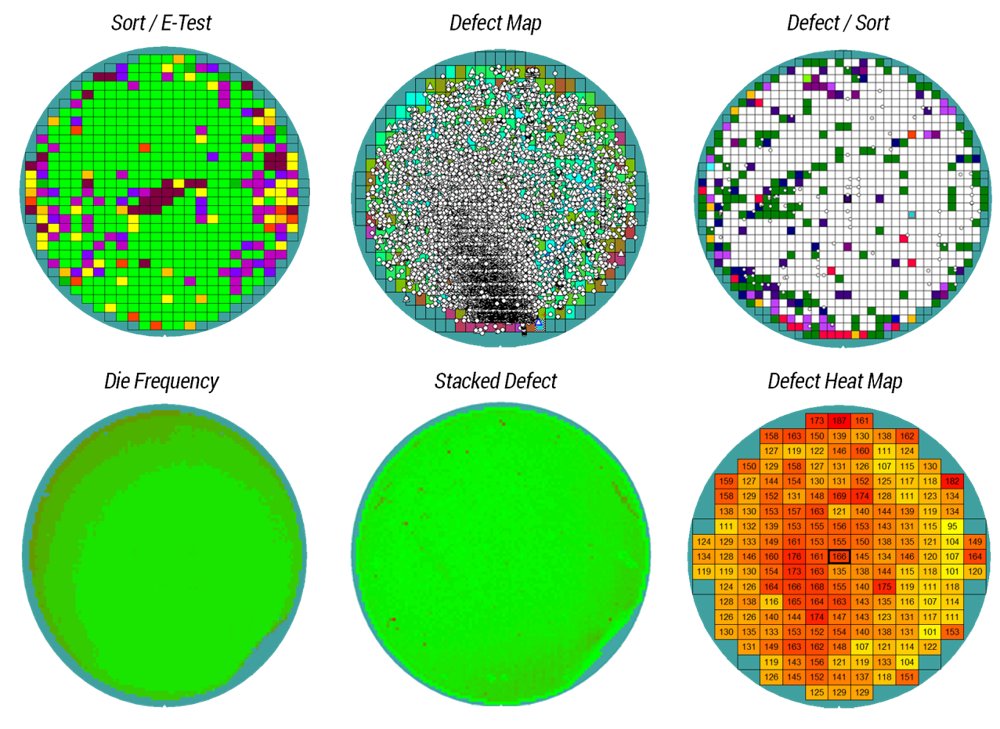 Discover Mapping SuiteOnto Innovation
Market insights
Last 30 days: Quantum Technologies drew the most money: $2.15B.
Money raised per month