'Green' project led by Swansea scientists could replace more expensive and hazardous materials used for waterproofing and antifouling/fogging.
New materials have been developed by scientists in the Energy Safety Research Institute (ESRI) at Swansea University which is nontoxic, economical and shows promise to replace more expensive and hazardous materials used for waterproofing and antifouling/fogging.
A new class of nanomaterials with tunable wettability have important applications ranging from antifouling to water proofing surfaces. Materials made by scientists at Swansea University are inexpensive, nontoxic and can be applied to a variety of surfaces via spray- or spin-coating.
The researchers led by Dr. Shirin Alexander and Professor Andrew Barron reported their find in the American Chemical Society open access journal ACS Omega.
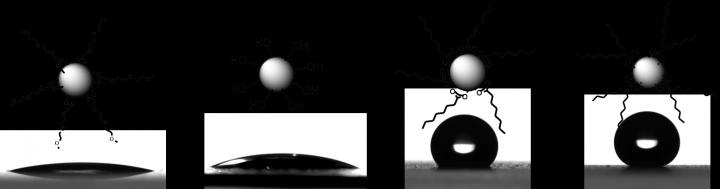
The spray coated nanomaterials provide both a texture to the surfaces, regardless of the substrate, and the chemical functionality that can alter the surface from superhydrophilic (water wetting) to superhydrophobic (water repelling) based on the choice of tailored functionality.
Fabrication and testing of low surface energy to high surface energy materials were carried out by Wafaa Al-Shatty a master student at the Energy Safety Research Institute at the Swansea University Bay Campus.
There, she synthesized aluminum oxide nanoparticles using hydrocarbon linear and branched carboxylic acids (with different surface energies) to demonstrate that hydrophobicity can be readily tuned based on the nature of the chemical functionality. The research demonstrates that subtle changes in the organic chain enable the control of surface wettability, roughness, surface energy and the nanoparticles ability to behave as surface active agents.
Both hydrophobicity and hydrophilicity are reinforced by roughness. Nanoparticles with the methoxy (-OCH3) functionality exhibit high surface energy and therefore superhydrophilicity properties. On the other hand branched hydrocarbons reduce the surface energy. Spiky (branched) chains are the first line of defense against water alongside surface roughness (caused by nanoparticles in both cases). This minimizes contact between the surface and water droplets, which allows them to slide off.
To be superhydrophobic, a material has to have a water contact angle larger than 150 degrees, while superhydrophilic surfaces are material whose surfaces exhibits water contact angles lower than 10 degrees. Contact angle is the angle at which the surface of the water meets the surface of the material.
The hydrocarbon-based superhydrophobic material may be a "green" replacement for costly, hazardous fluorocarbons commonly used for superhydrophobic applications. "They also are able to reduce the interfacial tension of various oils-water emulsions by behaving as surface active agents (surfactants)", Alexander said. The understanding of the relationships between the superhydrophobic and superhydrophilic nanoparticles and the resulting oil stability, emulsion properties and interfacial tension at the oil/water boundary is highly instructive yielding insights that could greatly benefit the future development of greater efficiency in the recovery of oil through enhanced oil recovery (EOR) methods.
The team is working to improve the material's durability on various substrates, as well as looking at large-scale application to surfaces.
Tunable Surface Properties of Aluminum Oxide Nanoparticles from Highly Hydrophobic to Highly HydrophilicWafaa Al-Shatty, Alex M. Lord, Shirin Alexander, and Andrew R. Barron ACS Omega, 2017, 2 (6), pp 2507–2514 DOI: 10.1021/acsomega.7b00279
Barron Research Group: http://barron.rice.edu/Barron.html and http://www.esri-swansea.org
Swansea University
#MaterialScience #Nanoparticles
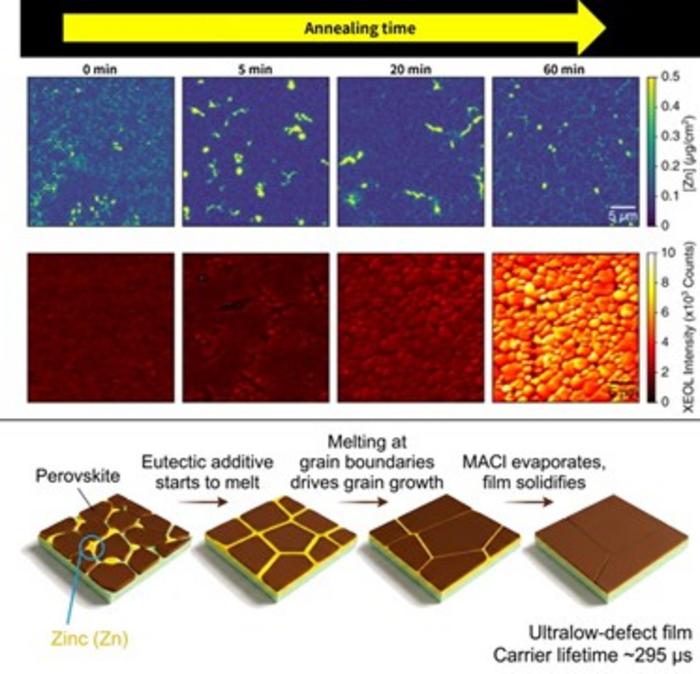
A eutectic mixture of methylammonium chloride and a zinc halide melts at about 100 degrees Celsius, forming a transient liquid layer at perovskite grain boundaries that lets crystals merge into larger, cleaner grains. The resulting films reached a carrier lifetime of roughly 295 microseconds and a surface recombination velocity of 0.3 cm/s, the lowest reported for lead halide perovskites.
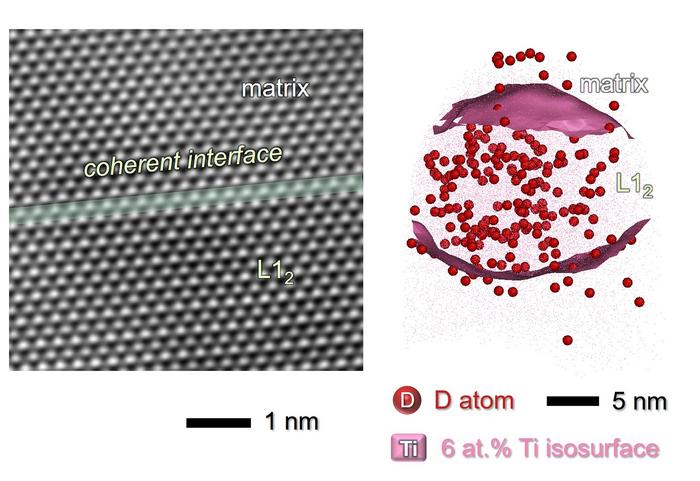
Researchers at the University of Sydney have directly observed hydrogen dissolved in the interstitial spaces between metal atoms in alloys, a world first. Using cryogenic atom probe tomography with deuterium tracers, electron microscopy and theoretical calculations, the team showed hydrogen occupies sites between atoms rather than only collecting at defects, and that local atomic arrangement and chemistry dictate where it prefers to reside.
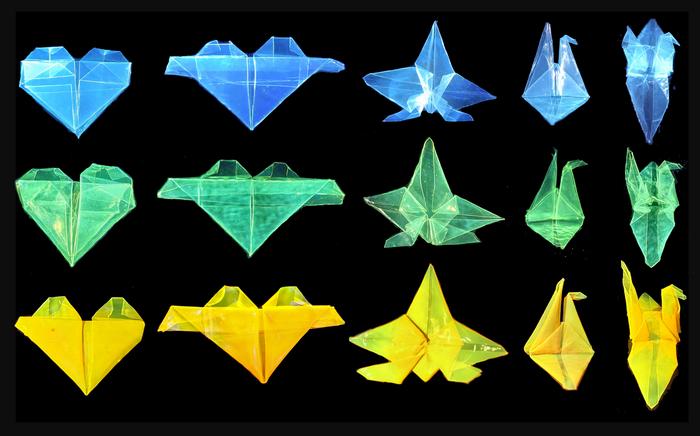
Researchers have developed carbon dots whose fluorescence shifts across the visible spectrum, from blue to red, depending on concentration, liquid environment and acidity. By tuning the particles' surfaces, the team produced versions that change color reversibly as pH shifts, then incorporated them into polymer powders, molded shapes and flexible films.
This week in nanotech
$10.2M raised
2 funding rounds · 19 deals tracked
New products
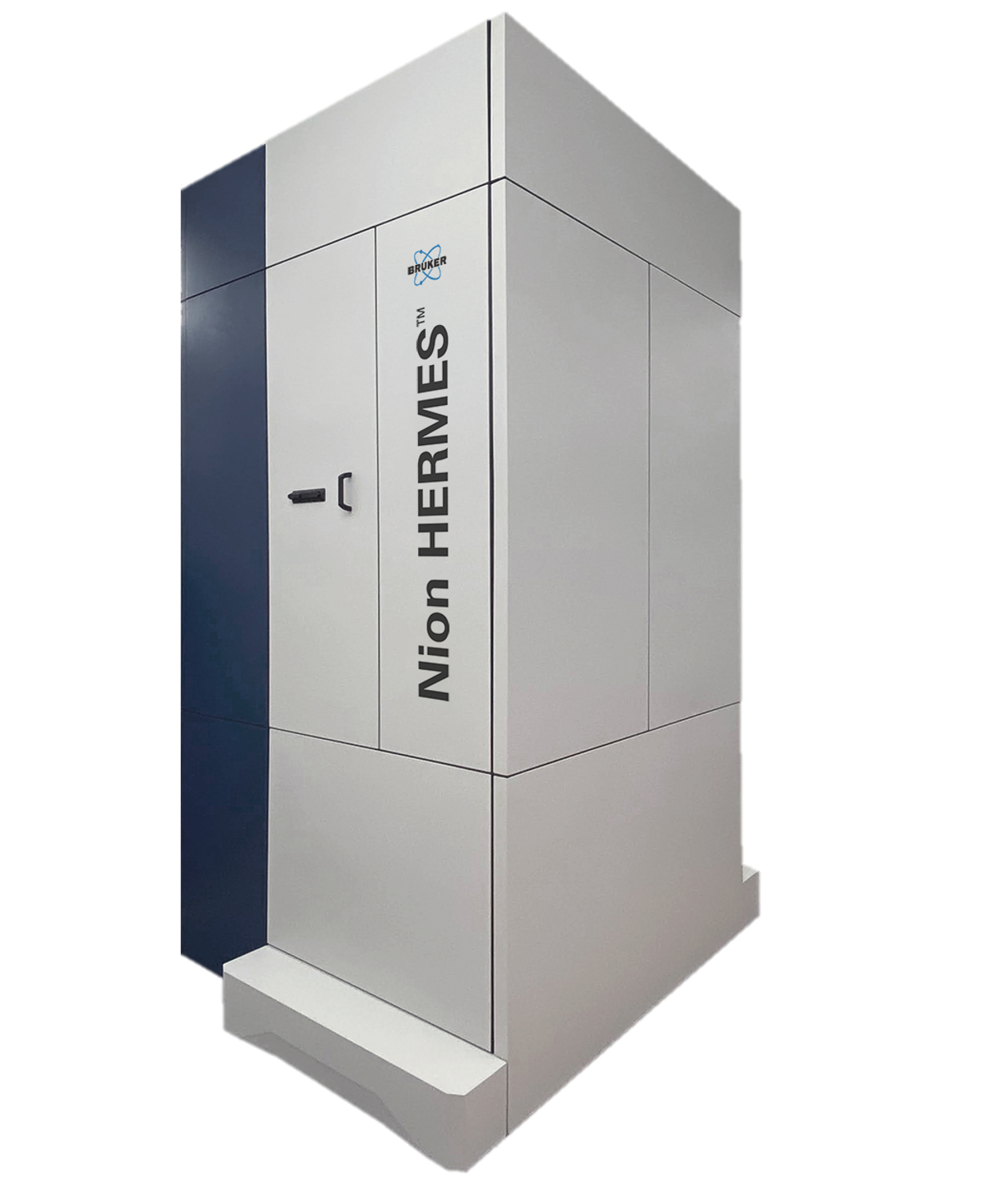 Nion-compatible In Situ STEM Holders for Electrical BiasingHummingbird Scientific Featured
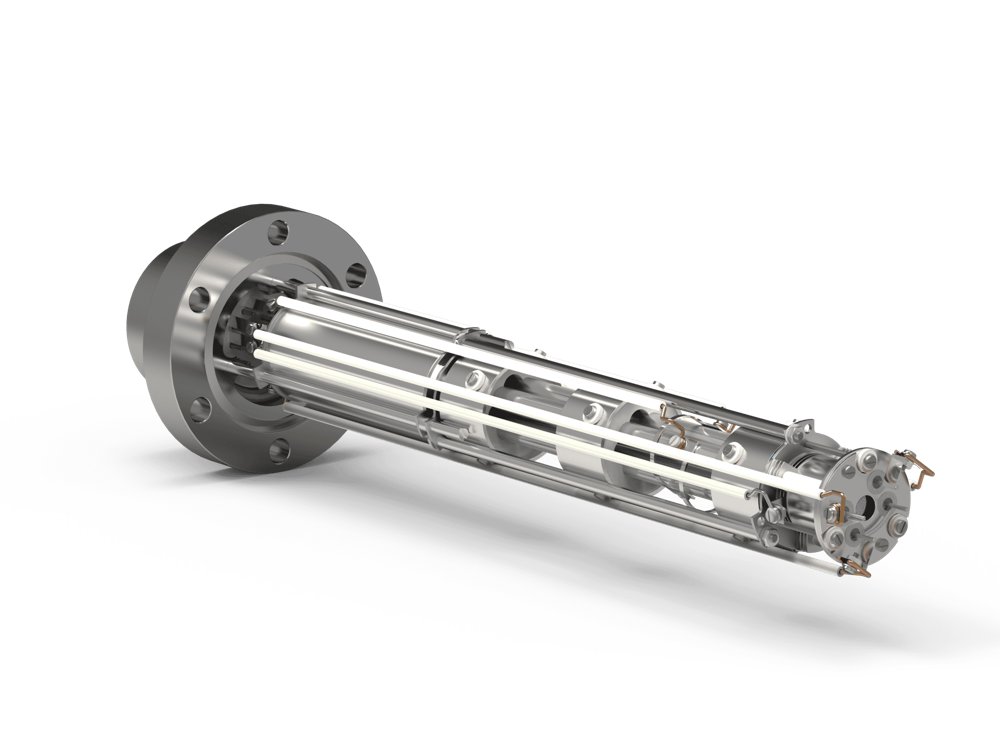 DLS-1 Mass Spectrometer for Fusion Gas AnalysisHiden Analytical Featured
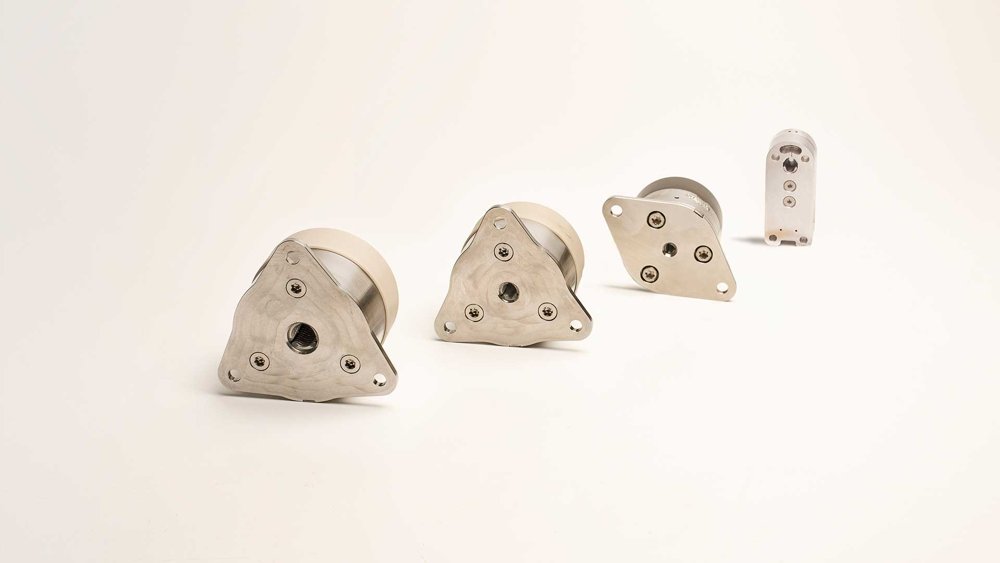 Hold Down & Release Mechanisms (HDRM) REACT – 5KN, 15KN and 35KN space qualified resettable mechanismsARQUIMEA
Market insights
Last 30 days: Quantum Technologies was the busiest vertical: 56 of 183 events (31%).
Money raised per month
Behind the deal
Who led Sandia National Laboratories’s $3.4M Grant?
See the investors with Insights Pro →