Researchers at Kumamoto University have discovered that a purely inorganic crystal grown from water solution can emit circularly polarized light, a special form of light whose “handedness” distinguishes left from right. The finding opens a new pathway toward robust optical materials for security printing, advanced displays, and photonic technologies, using simple inorganic chemistry rather than complex organic molecules.
Circularly polarized luminescence (CPL) occurs when a light-emitting material preferentially emits either left-handed or right-handed circularly polarized light. Until now, most CPL materials have relied on organic or organic–inorganic hybrid compounds, which can be chemically delicate and difficult to scale. Demonstrating CPL in a bulk, fully inorganic crystal has remained a major challenge.
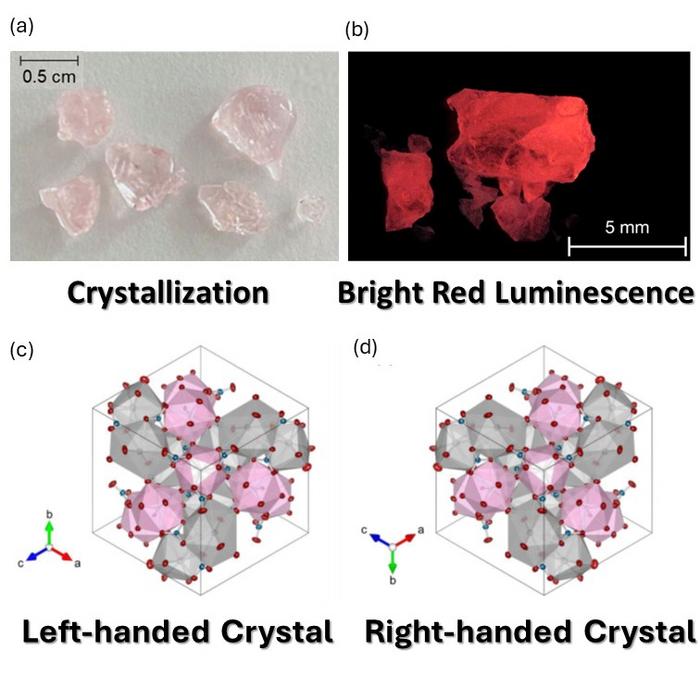
The Kumamoto University team, led by Assistant Professor Yusuke Inomata, focused on a chiral inorganic framework known as potassium lanthanide nitrates. These crystals can exist in left- and right-handed forms, even though they are composed only of simple ions. By incorporating europium ions—well known for their bright red emission—into this framework, the researchers created single crystals of potassium europium nitrate, K₃[Eu₂(NO₃)₉].
Remarkably, the crystals can be grown simply by evaporating an aqueous solution containing potassium nitrate and europium nitrate. As the solution dries, millimeter-sized single crystals form spontaneously, separating into left-handed and right-handed crystals through a process known as spontaneous resolution. Using a polarizing microscope, the researchers could visually distinguish the two forms by their different colors, making chirality directly observable.
When illuminated with ultraviolet light, the crystals emit intense red light originating from europium’s characteristic electronic transitions. Detailed optical measurements revealed clear circularly polarized luminescence with large dissymmetry factors and an exceptionally high luminescence quantum yield of 96 percent. This shows that even a bulk inorganic crystal, without any organic components, can efficiently generate chiral light.
The study demonstrates that controlling ion arrangements and symmetry within inorganic crystals is sufficient to induce advanced chiroptical properties. According to the researchers, this work provides a design strategy for developing new CPL materials that combine the durability of inorganic solids with sophisticated optical functionality.
The results were published in the Journal of the American Chemical Society, highlighting the potential of simple, water-based crystal growth to produce next-generation photonic materials with practical and scalable applications.
Reference
Circularly Polarized Luminescence in Chiral Potassium Europium Nitrate
Yusuke Inomata, Tetsuya Kida
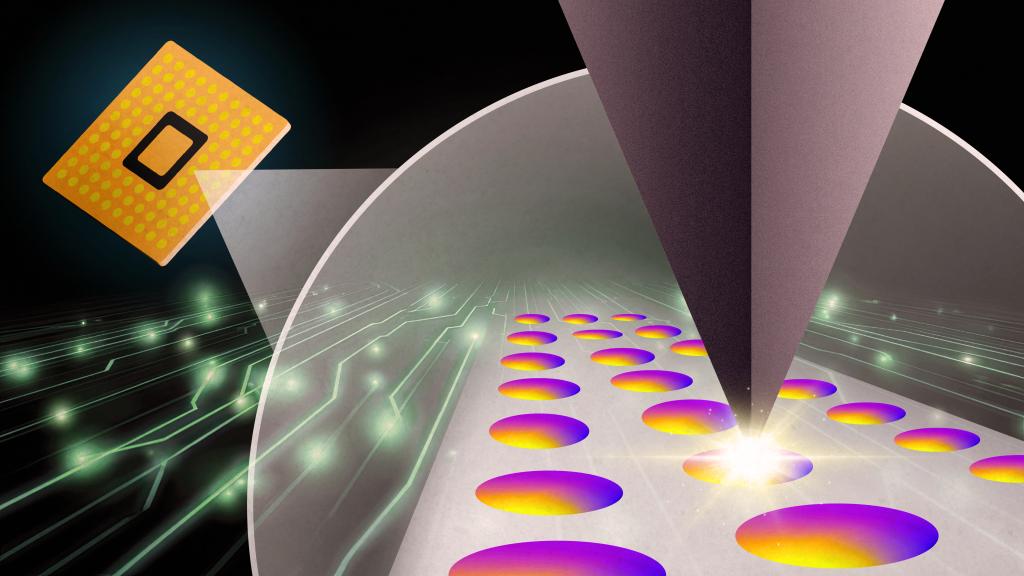
An atomic force microscope tip writes data in stable ferroelectric structures, enabling reliable multistate storage at extremely small scales in this illustration. @ Morgan Manning/ORNL, U.S. Dept. of Energy Researchers at Oak Ridge National Laboratory used specialized tools to study materials at the atomic scale and analyze defects at the materials’ surface. Results of their research help to better understand these materials used for advanced electronics, enabling innovative data storage and...
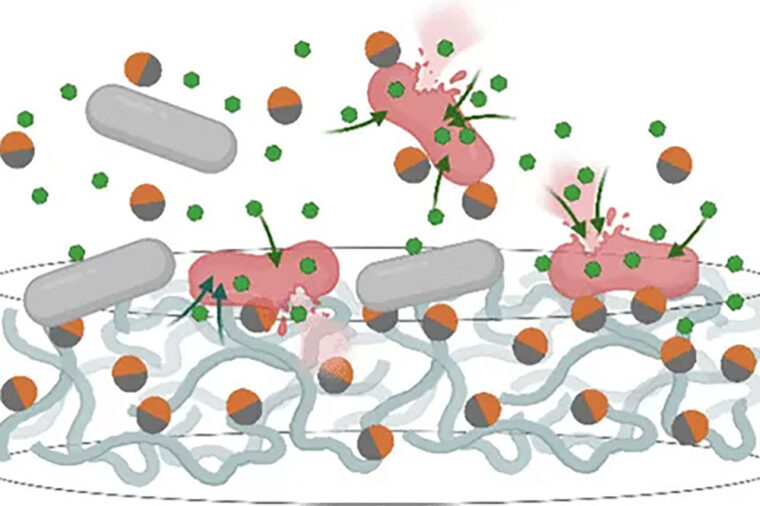
Over the decades, many strains of disease-causing bacteria have evolved defenses to even the most potent antibiotics, setting off a growing health crisis. The rise of antibiotic-resistant “superbugs” has also set off an arms race. As germs find new ways to withstand drugs, researchers are looking for new ways to break down their defenses. In a significant step forward, a research team led by Yan Yu, the Art Krieg Professor of Chemistry, in Arts & Sciences, and of biomedical engineering, at th...
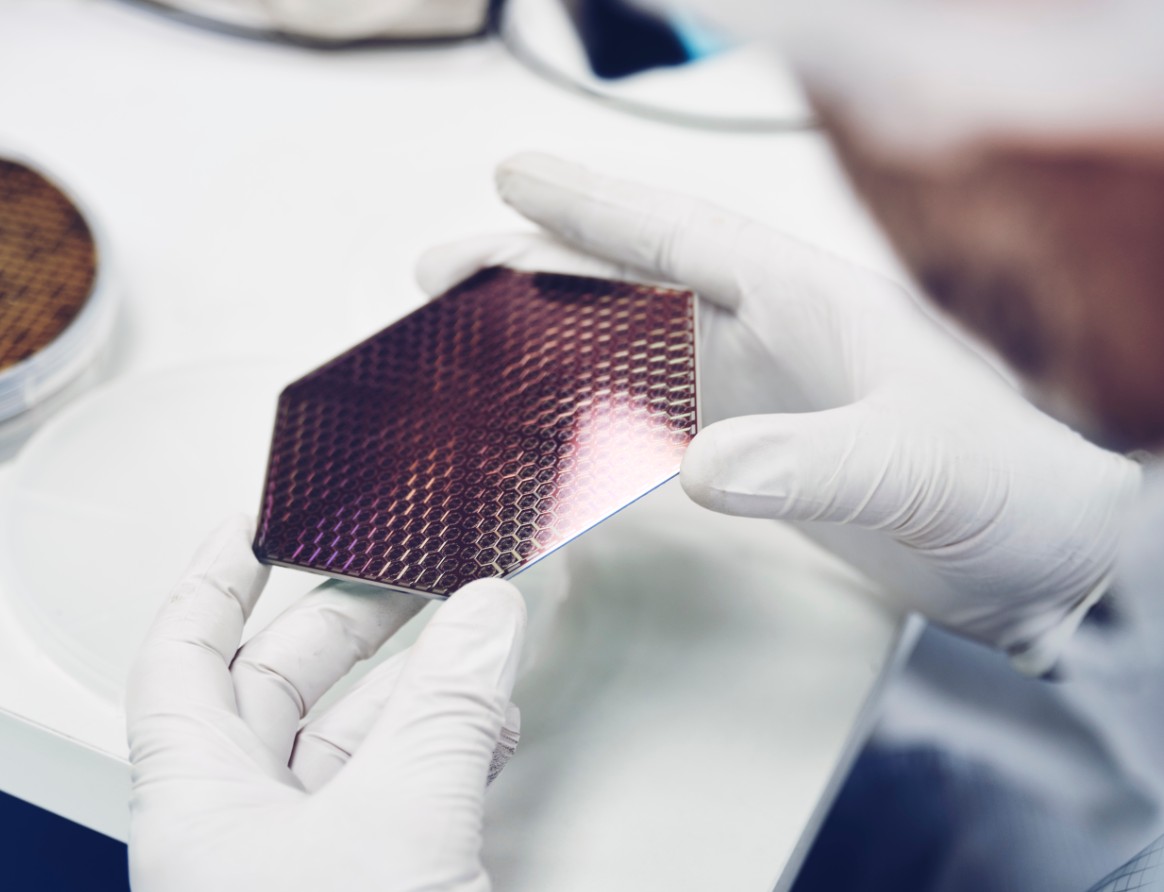
@ SEEQC New York-based quantum pioneer assembles Taiwanese semiconductor ecosystem to build integrated quantum computers on a chip SEEQC, a leader in quantum computing technology, has announced a comprehensive partnership framework with Taiwan's semiconductor and electronics industry that could reshape the race to build commercially viable quantum computers. The Elmsford, New York-based company revealed partnerships with Kinpo Group, the Industrial Technology Research Institute (ITRI), and...
This week in nanotech
$10.2M raised
1 funding round · 9 deals tracked
New products
 DLS-1 Mass Spectrometer for Fusion Gas AnalysisHiden Analytical Featured
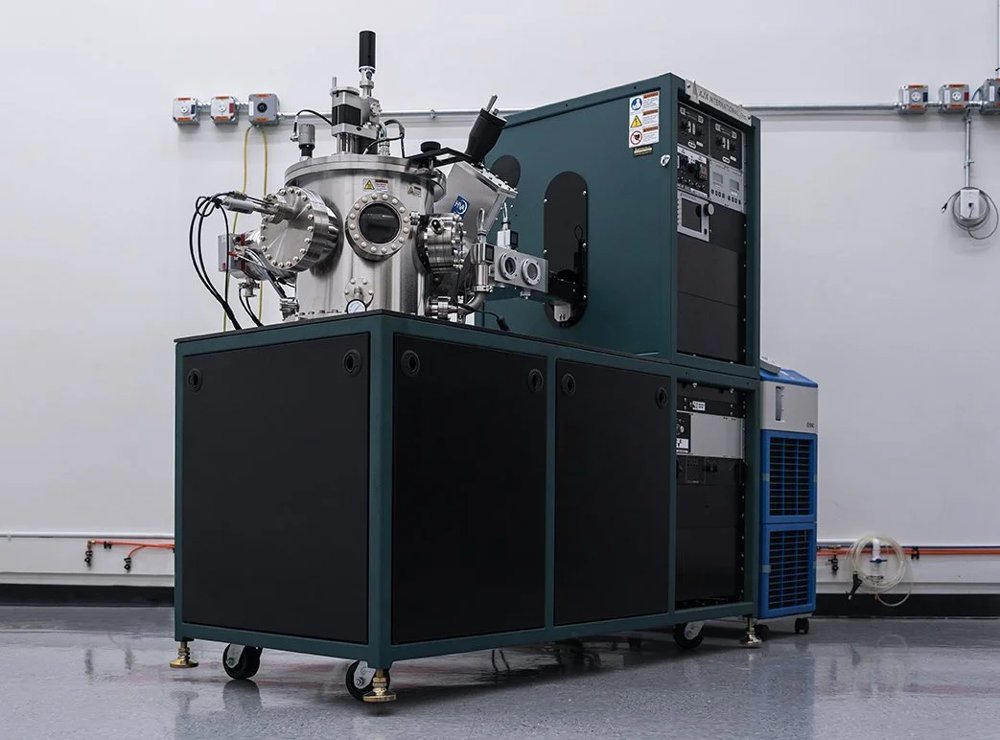 Orion Sputtering Deposition SystemsAJA International Featured
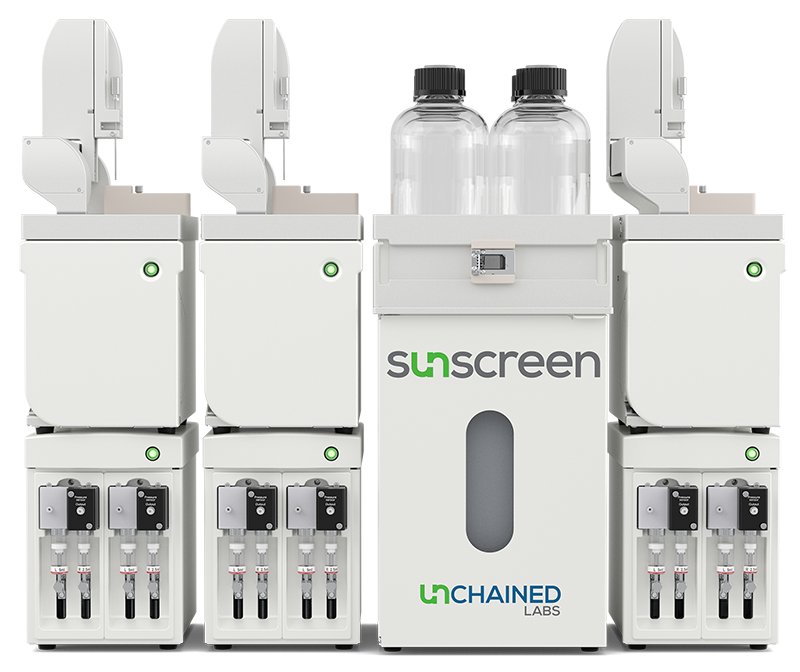 SunscreenUnchained Labs
Market insights
Last 30 days: Quantum Technologies was the busiest vertical: 52 of 174 events (30%).
Money raised per month